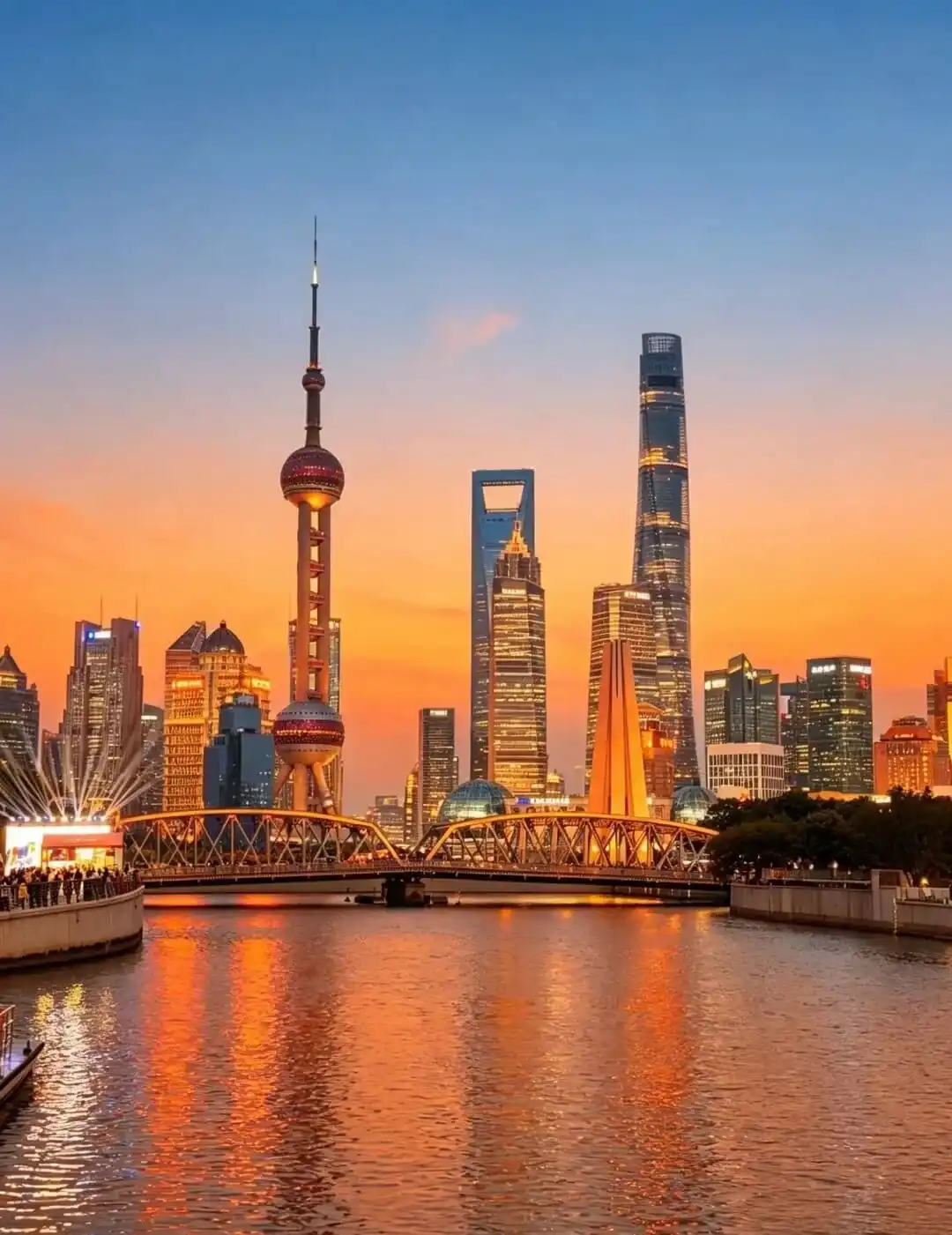
The Bund
Walk Shanghai's two timelines along the west bank of the Huangpu: historic Bund buildings behind you and Lujiazui's towers across the water. Arrive before dusk to catch sunset and the evening lights in one route.
 Journey To China
City guide
Old lanes, ambitious architecture and a waterfront made for wandering.
Shanghai sits at the mouth of the Yangtze on China's eastern coast and is a major center for finance, trade, shipping and technology. Its rise from a Jiangnan port town to an international port left two very different skylines facing each other across the Huangpu: the Bund's historic facades in Puxi and the towers of Lujiazui in Pudong. Old lilong lanes and neighborhood markets survive between them. Two international airports, high-speed rail and a dense metro network connect Shanghai with China and the wider world, giving the city its fast, outward-looking rhythm.
Famous sights and everyday places, balanced for a first visit to Shanghai.
Walk Shanghai's two timelines along the west bank of the Huangpu: historic Bund buildings behind you and Lujiazui's towers across the water. Arrive before dusk to catch sunset and the evening lights in one route.
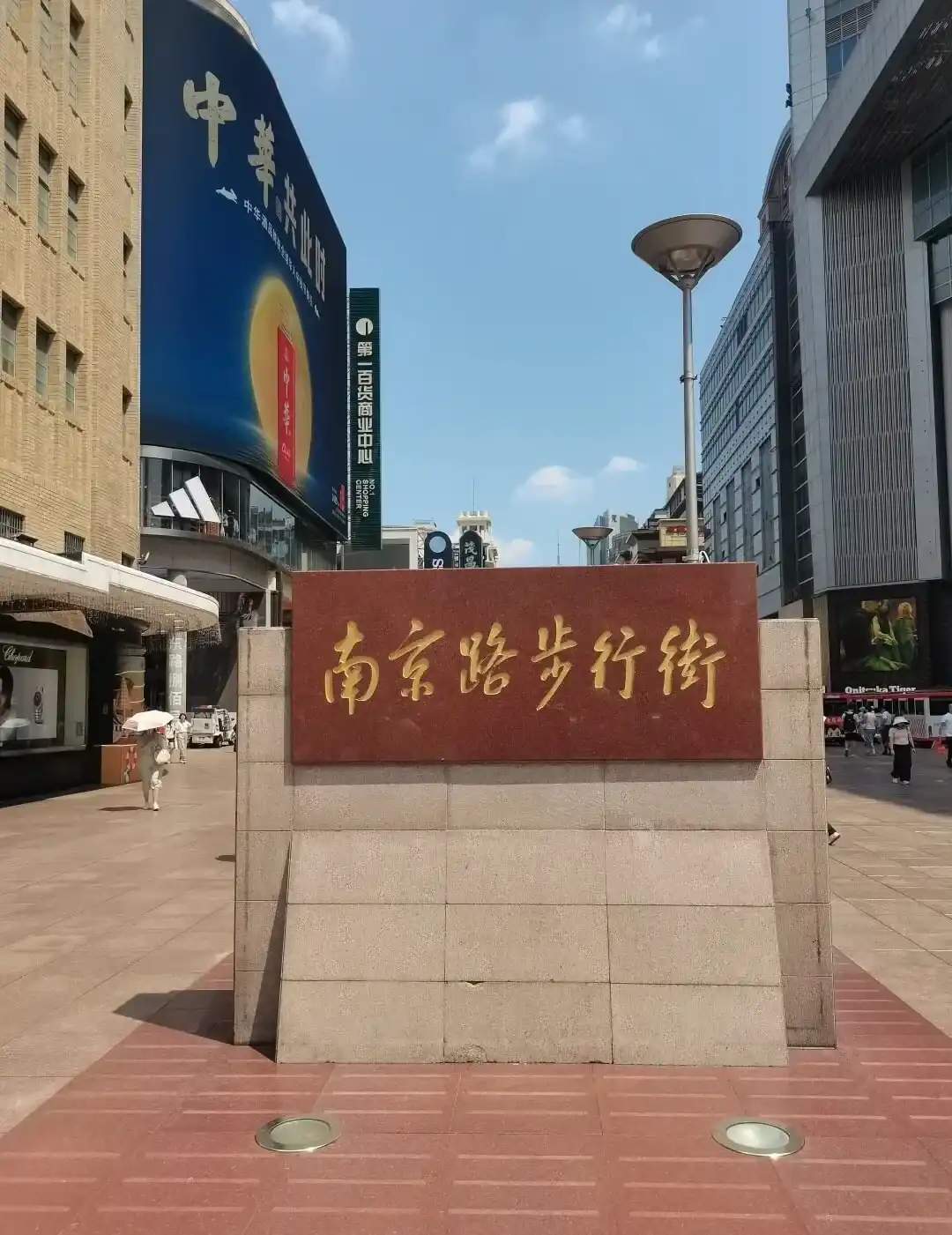
Walk east from People's Square to the Bund past historic department stores, food shops, pedestrian streets, and newer pop-culture retail, ending with the riverfront skyline.
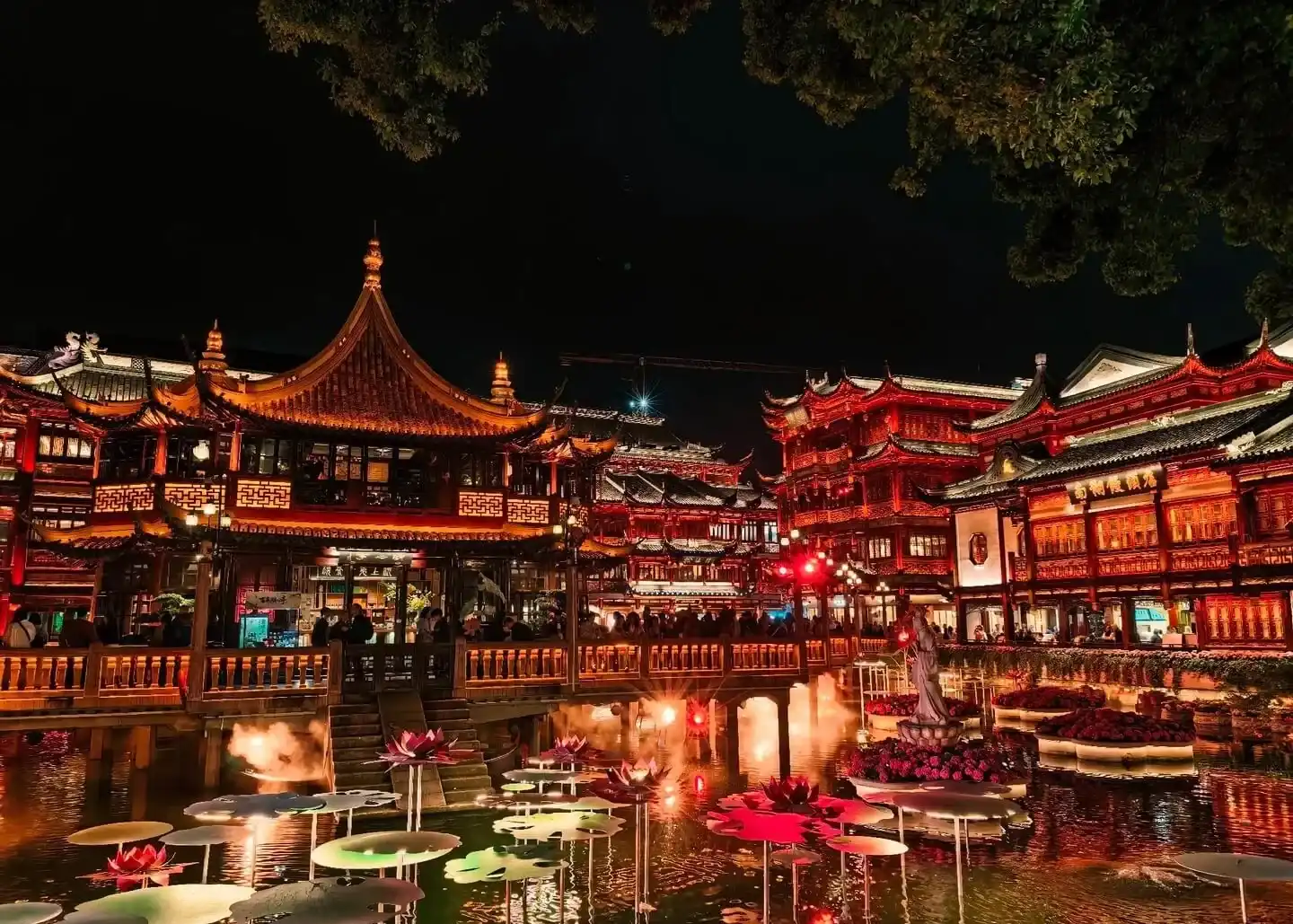
Yu Garden and the surrounding Yuyuan Bazaar are two different visits. Buy a ticket for the classical garden by day, then stay in the open commercial lanes for shops and evening lights.
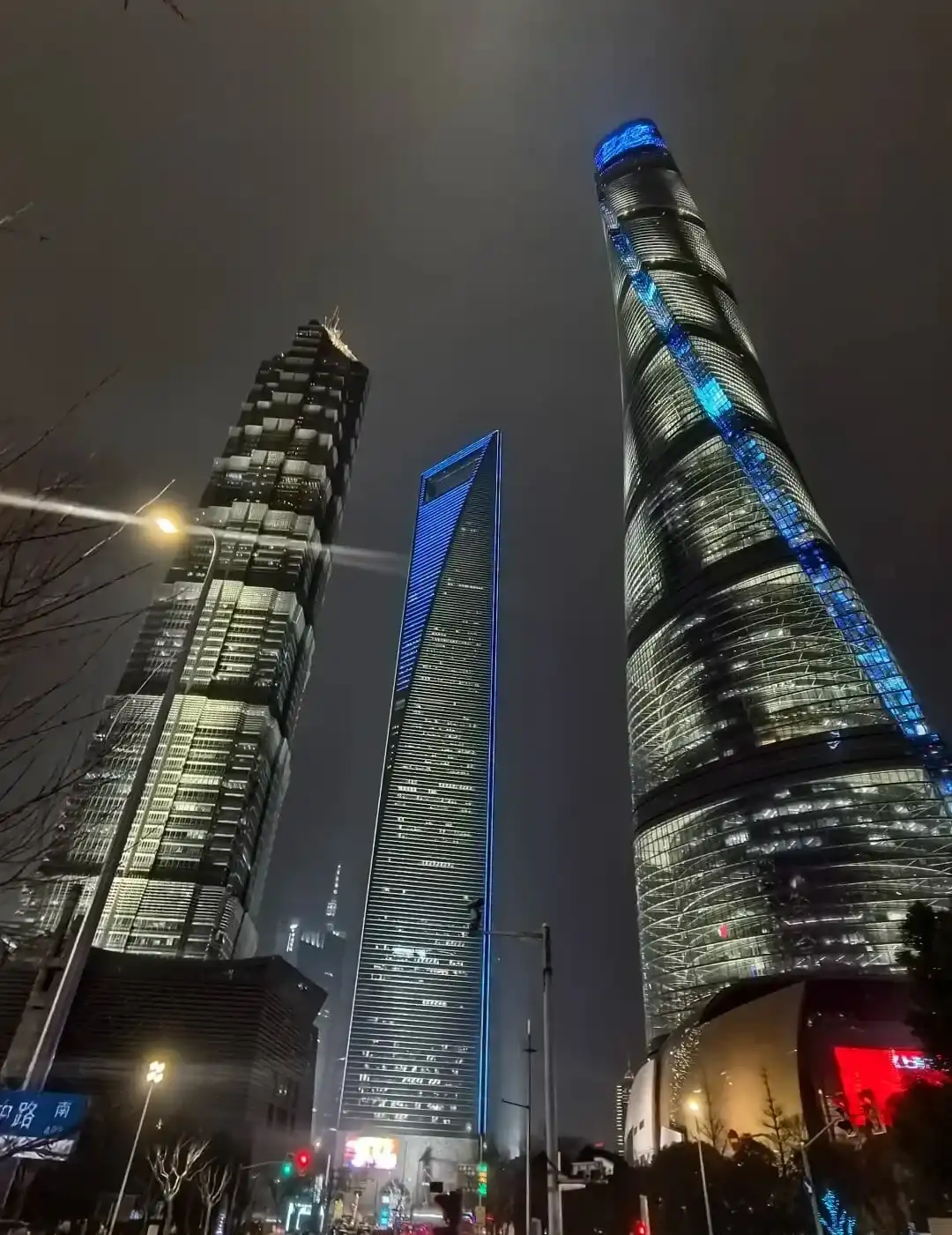
See Lujiazui once from street level and once from above. Walk between the towers, choose one observation deck, then look back across the river to the Bund's lower historic skyline.
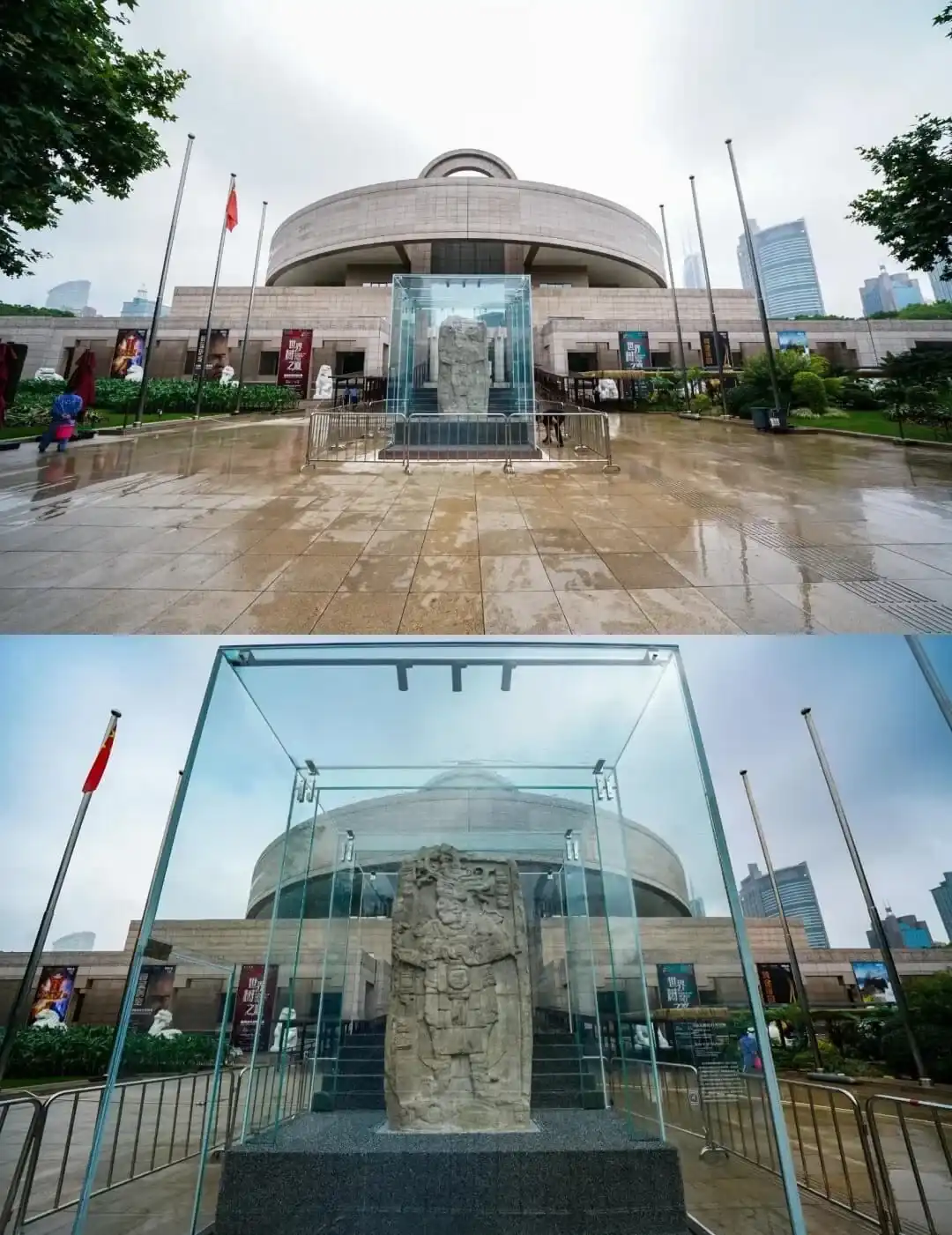
Choose between two Shanghai Museum venues: the East Museum presents the fuller ancient Chinese art collection, while the People's Square building focuses increasingly on world civilisations and major exhibitions.

Shanghai Disneyland needs a full day and a short priority list. Choose the rides and shows that matter most, then use the official app for current times; the named ticket, matching ID and trip home matter more than completing everything.
Discover the dishes and everyday flavors that help define Shanghai.
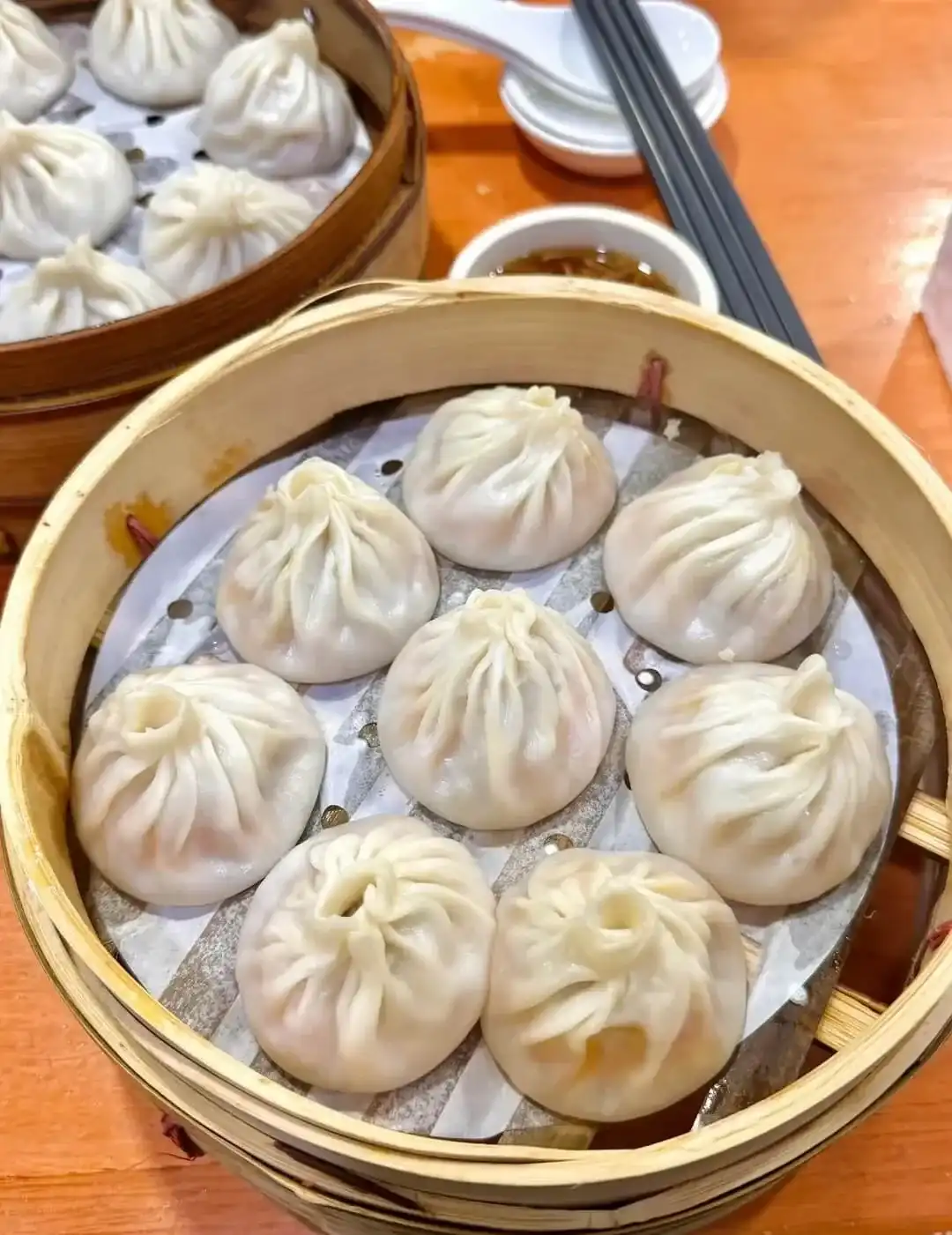
Thin wrappers hold pork and piping-hot broth. Move one to a spoon, open a small hole and let the steam escape before drinking the soup.
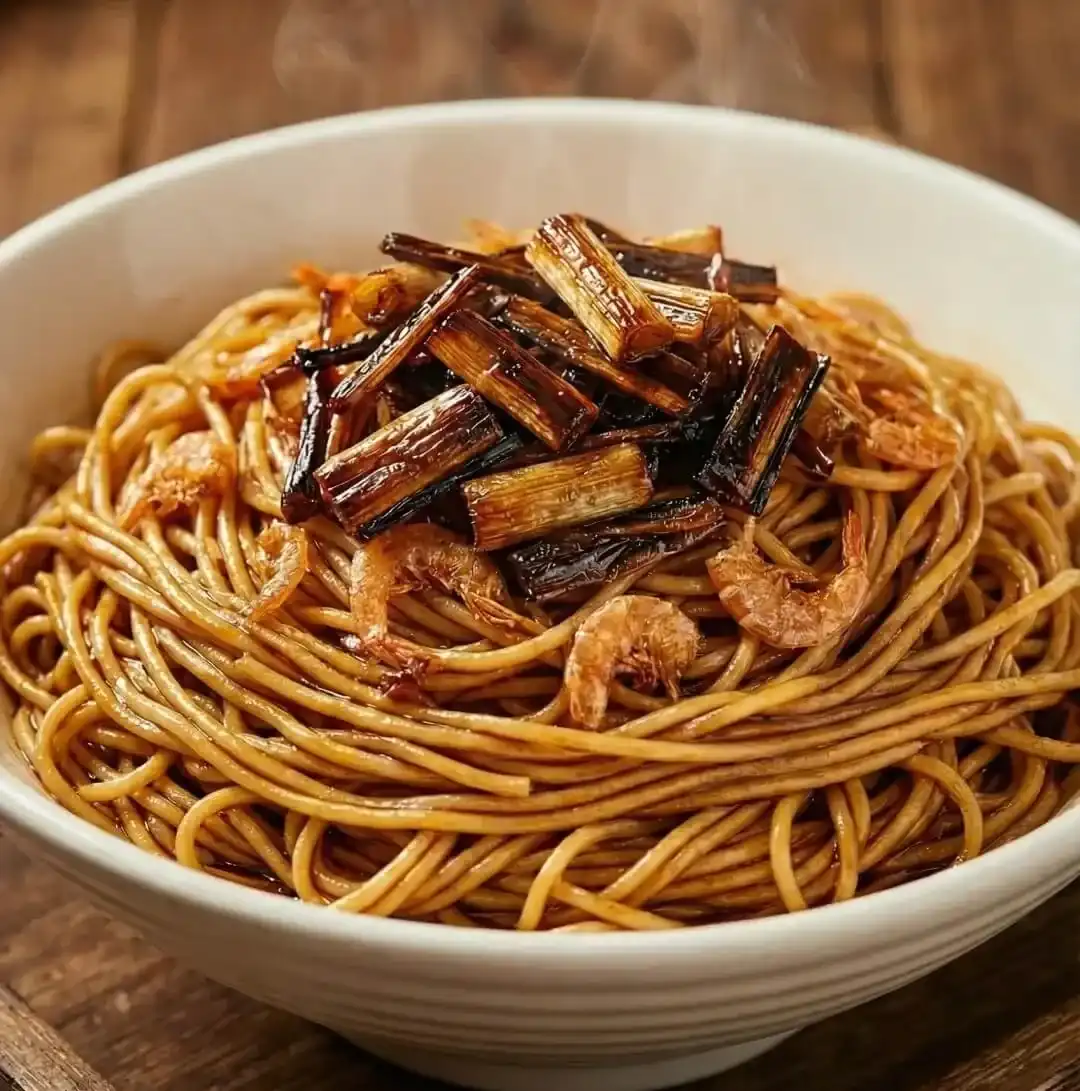
Fine noodles meet fried scallion oil and soy sauce. Dried shrimp can add another layer of savouriness to the deep, toasted scallion aroma.
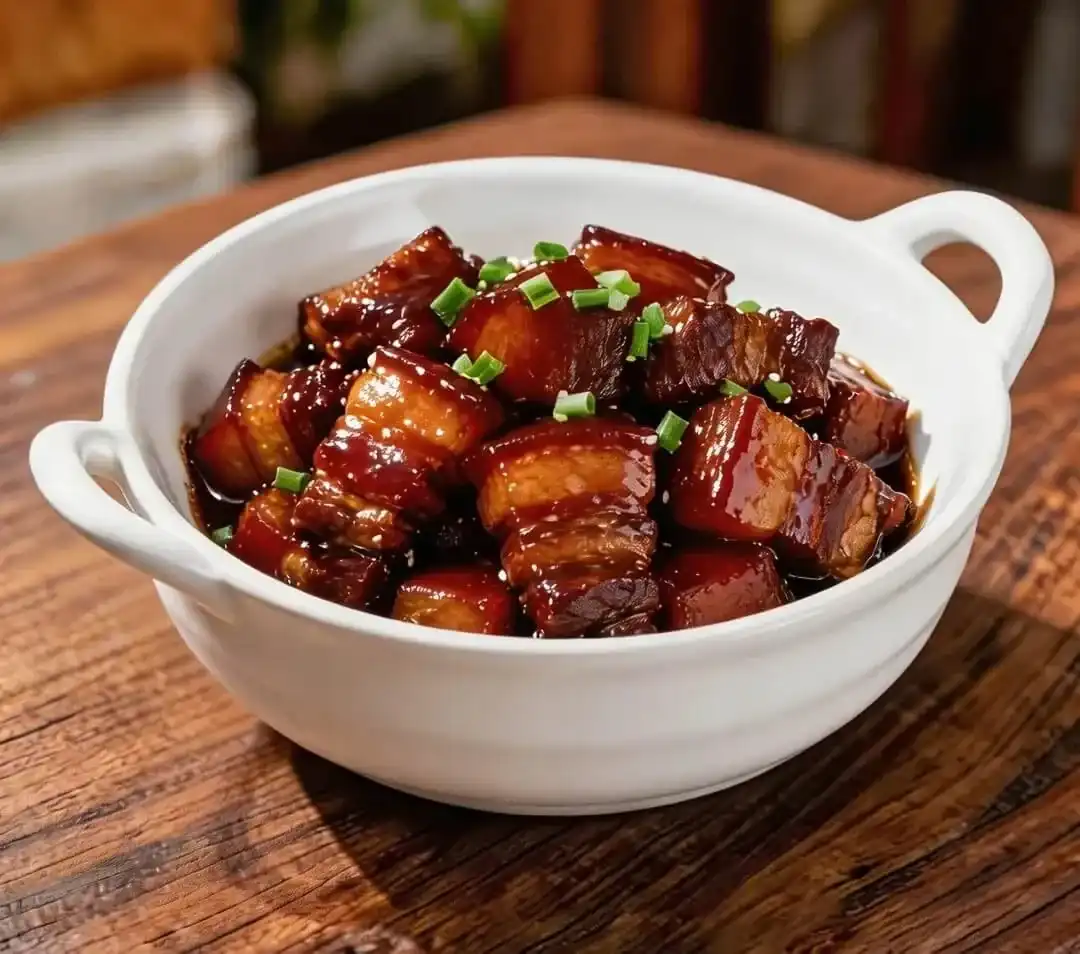
Skin-on pork belly cooks slowly with soy sauce, sugar and Shaoxing wine. The sweet-savoury sauce works best shared with rice and greens.
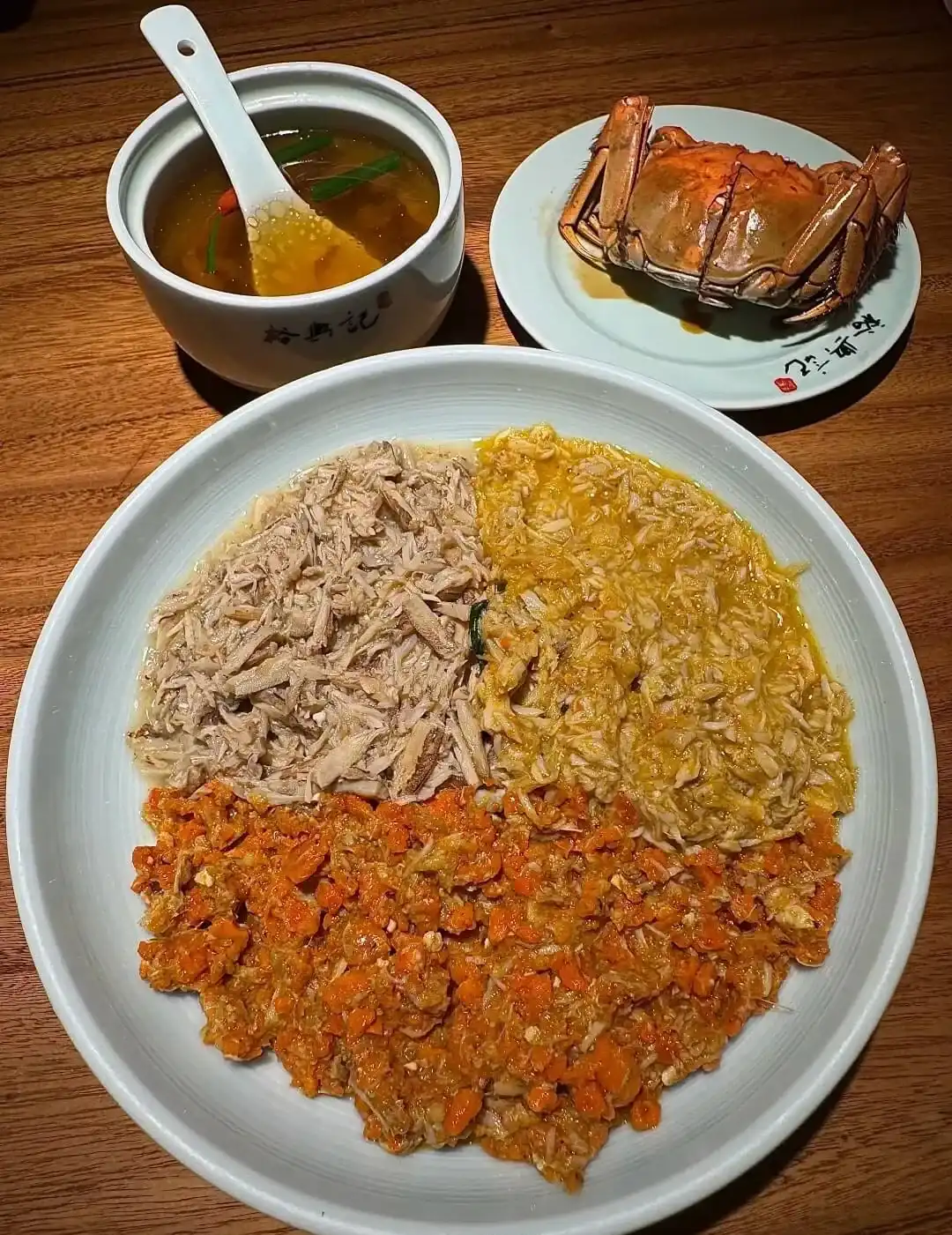
Picked crab meat, roe or paste becomes a rich noodle topping. Similar menu names can refer to different mixtures and prices.
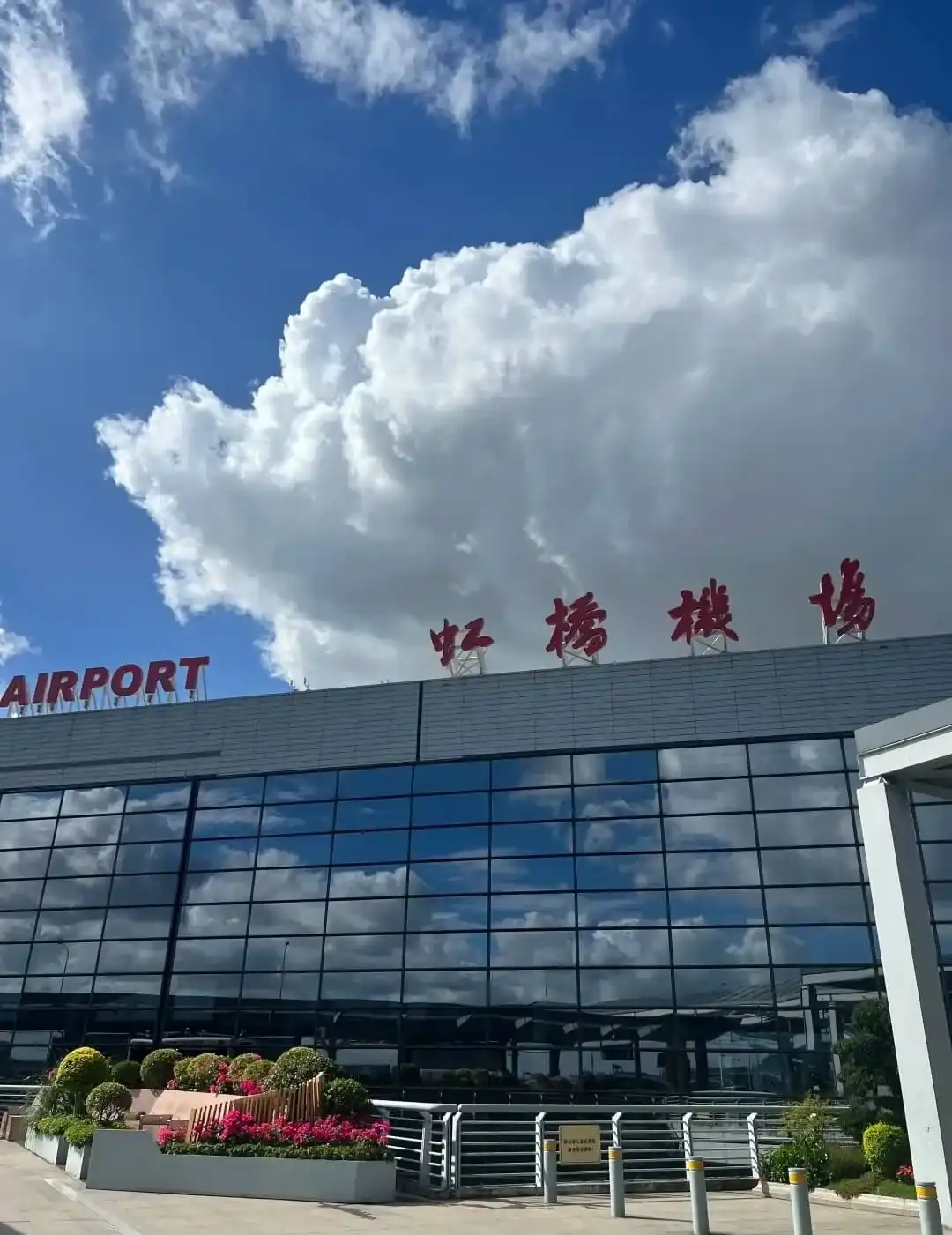
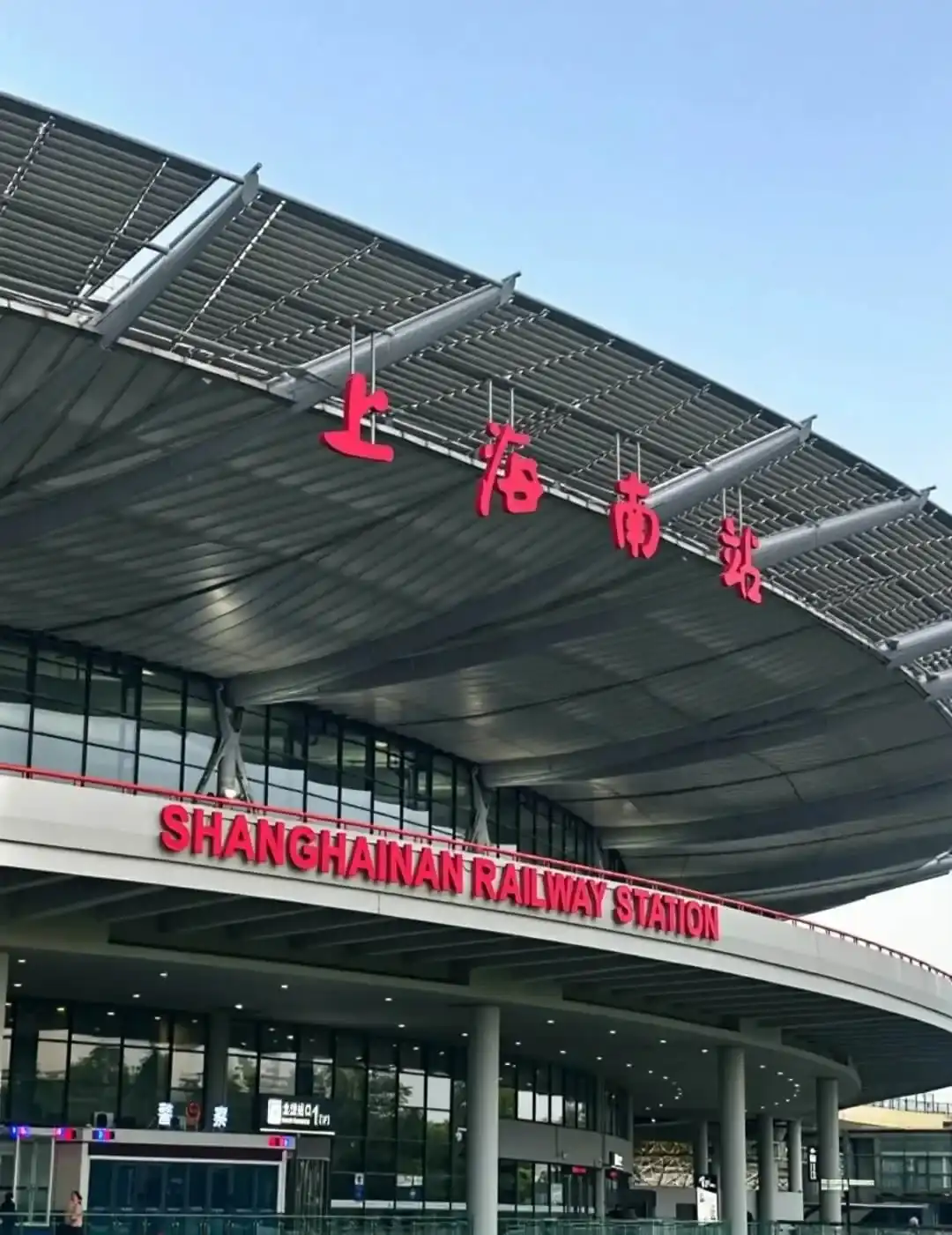
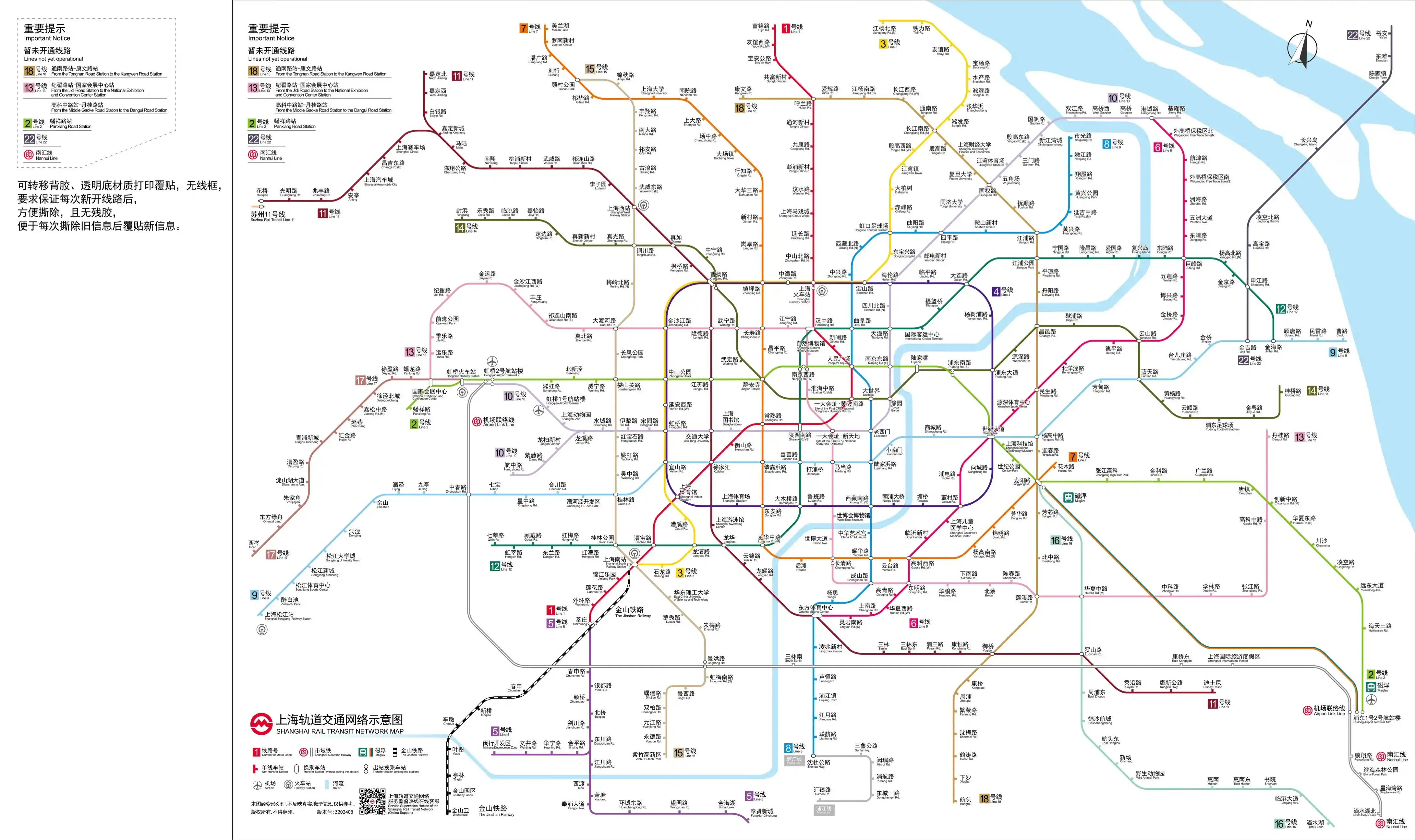
Use these airport and local transit notes to plan your first journeys through Shanghai.
Real journeys offer useful context for the places, pace and everyday moments that await.
 LaisShanghai · City overview
 Marvin SamacoShanghai · City overview
 Maddie BorgeShanghai · First trip
Keep the journey connected through contrasting city rhythms.