
Journey To ChinaLast updated
Yu Garden guide
A Ming garden made for family life
Yu Garden was begun in 1559 by Pan Yunduan, who created a private garden for his parents during the Ming dynasty. Its name carries the sense of peace and contentment. Designer Zhang Nanyang used ponds, halls, walls and rockeries to compress a much larger landscape into a compact urban site. Doorways frame one scene at a time, so the garden unfolds as a sequence rather than a single panorama.
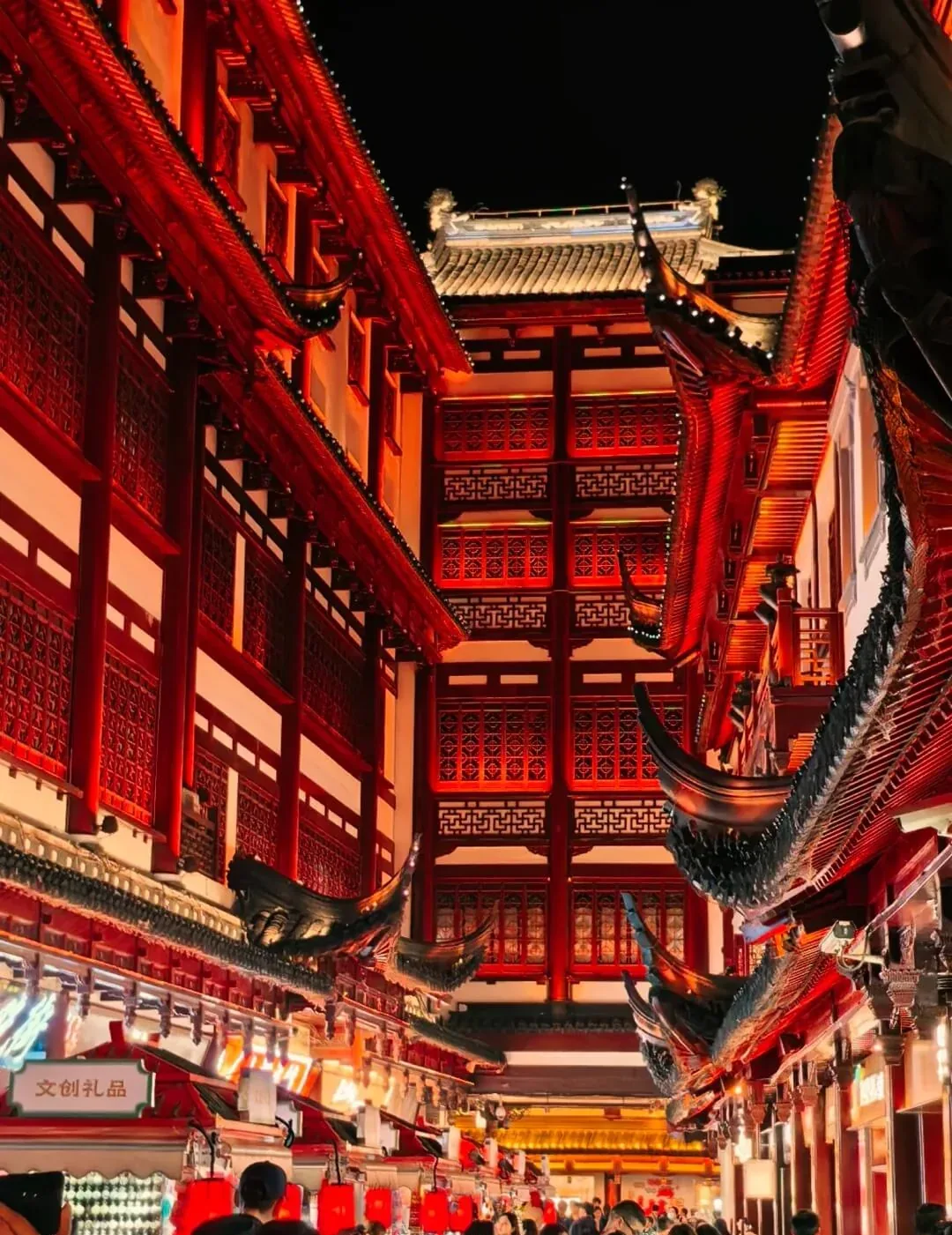
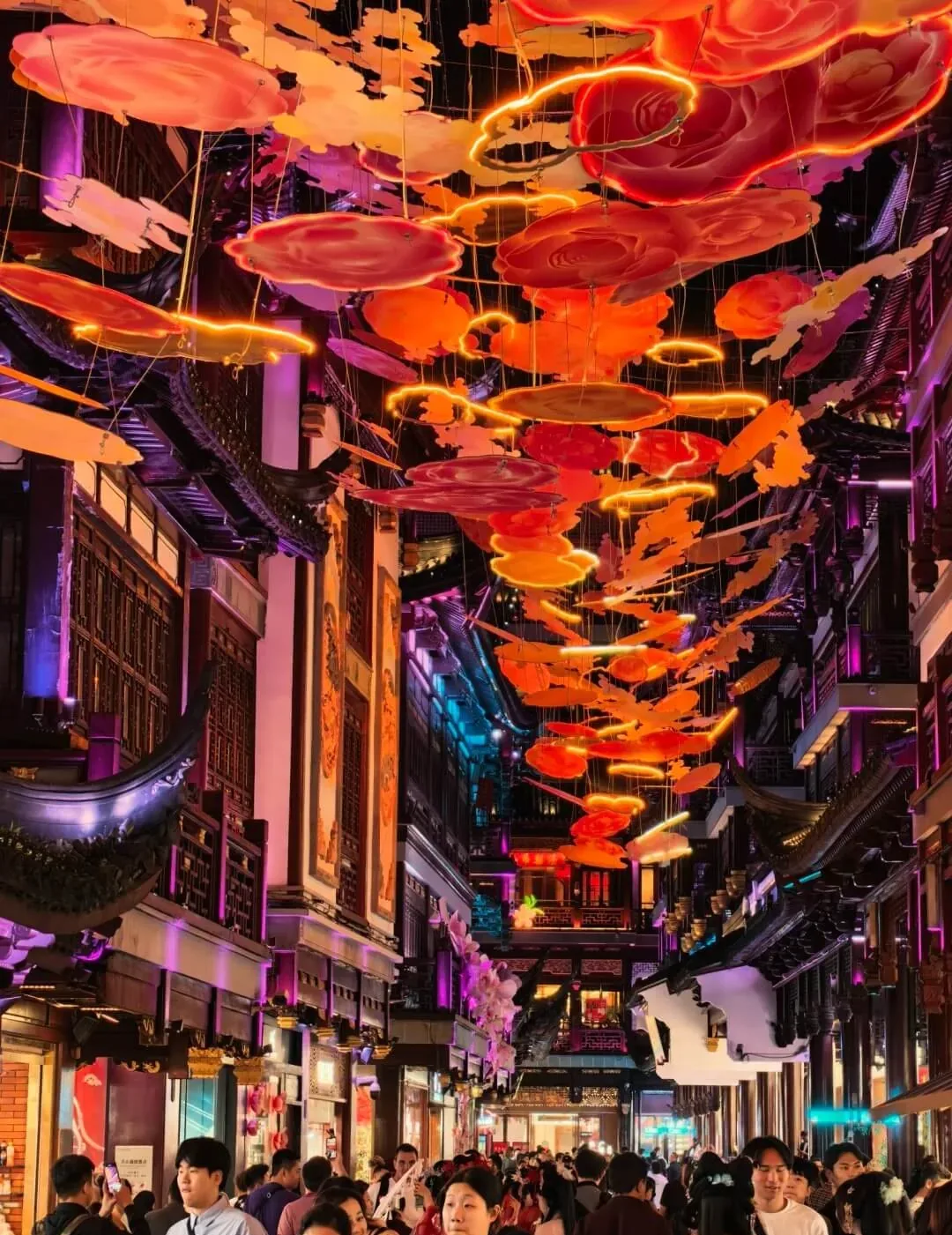
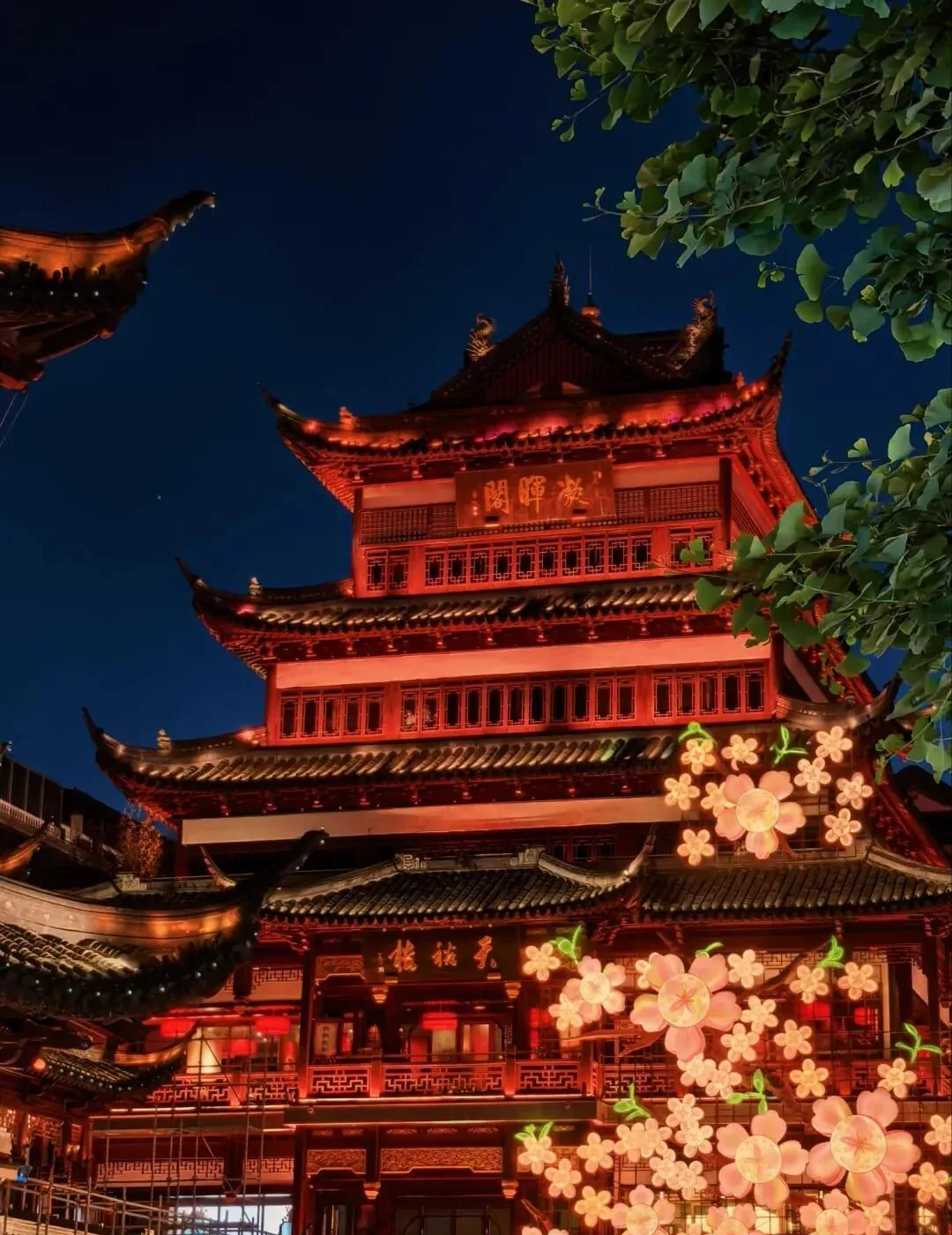
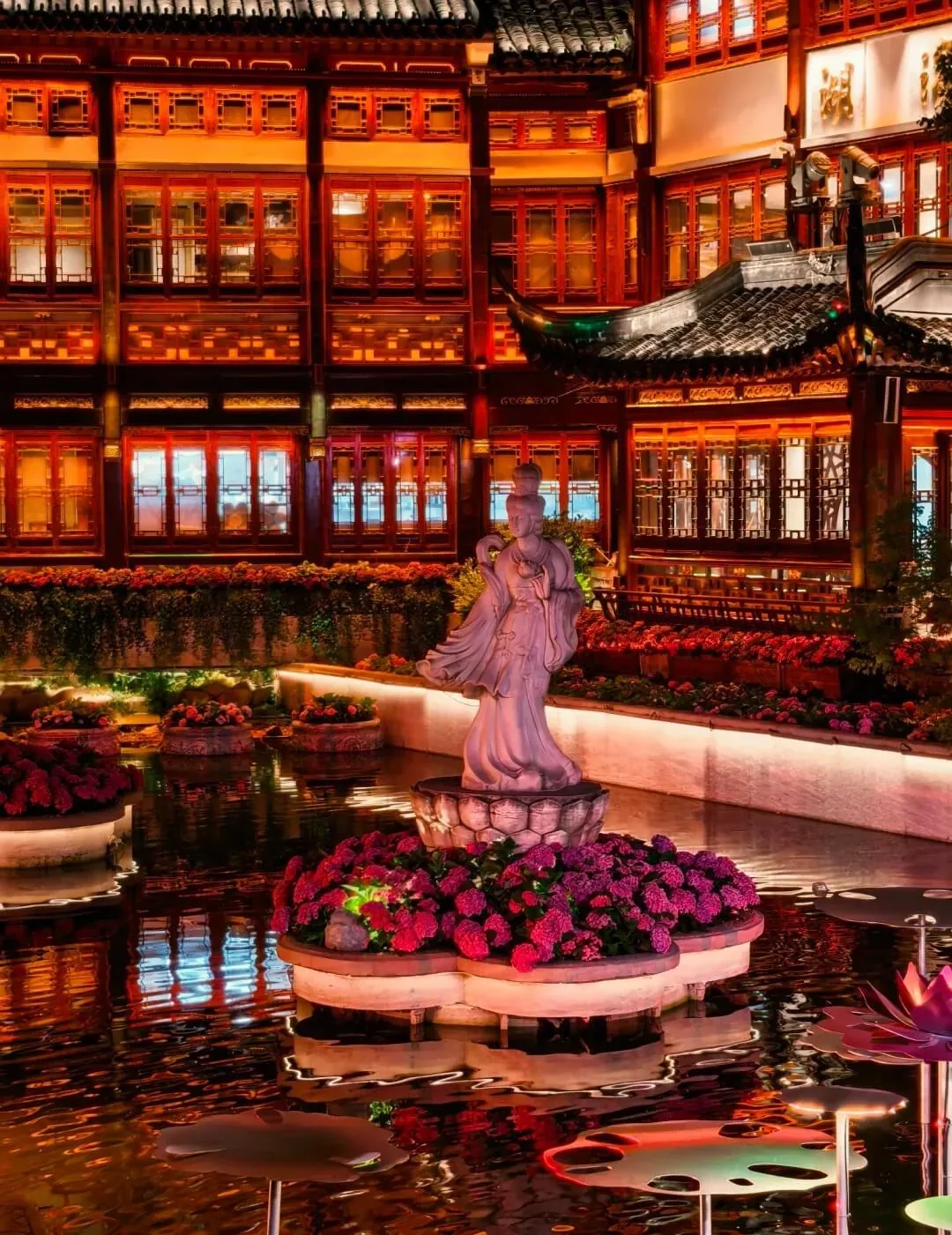
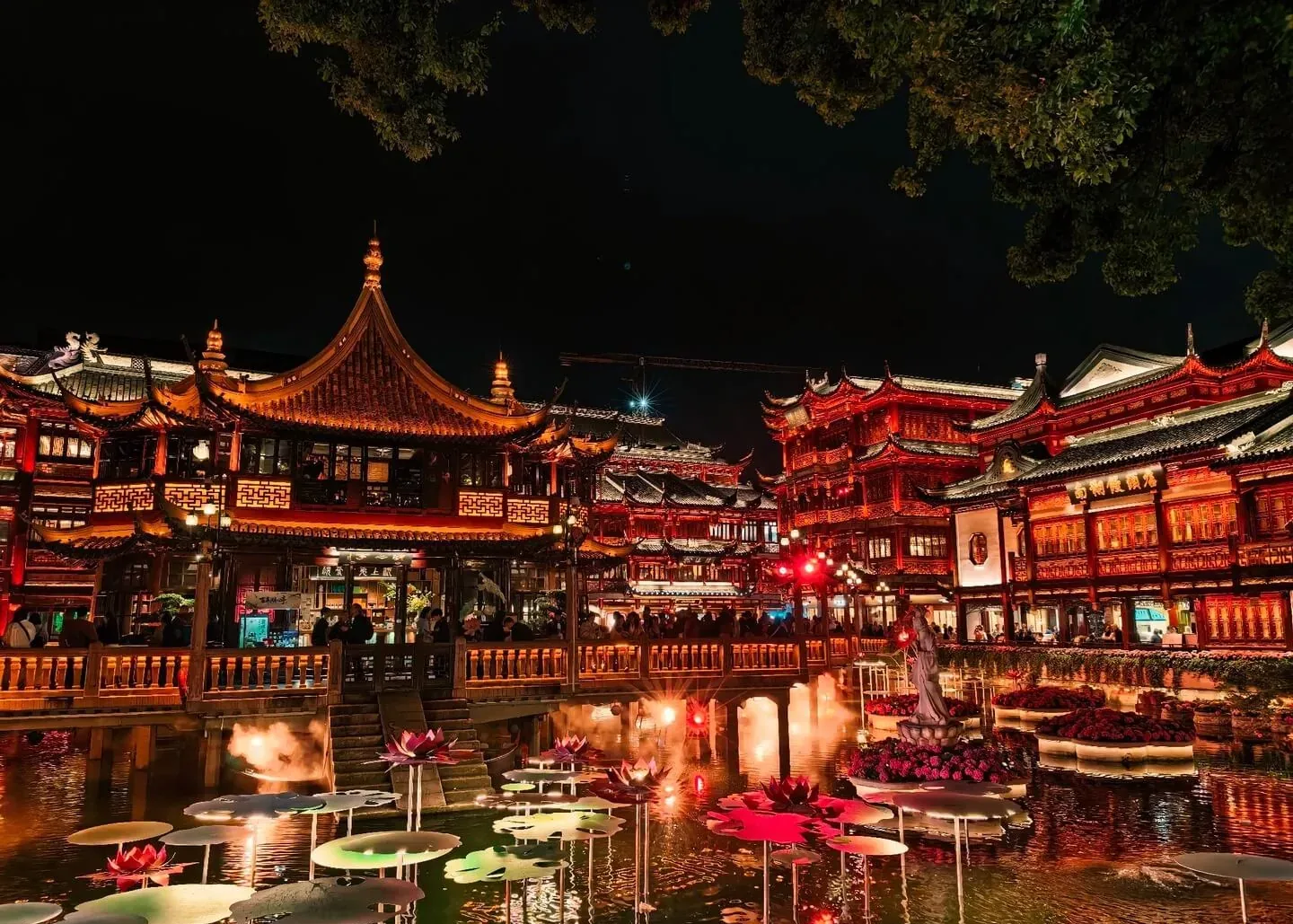
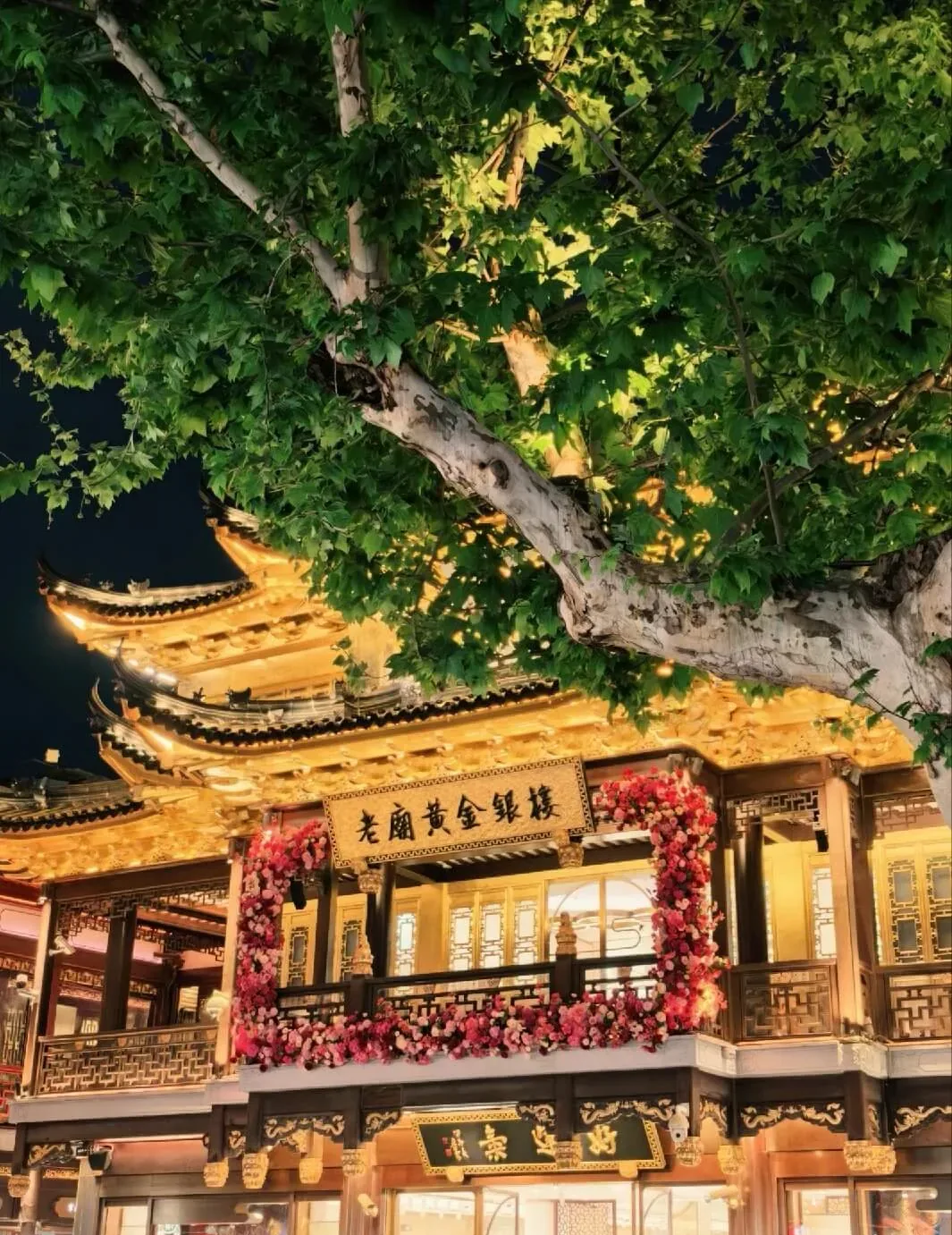
The surrounding bazaar is a separate, open district of traditional-style lanes, shops and evening lights.
Rockeries, halls and carefully framed views
The Great Rockery near Sansui Hall creates the garden's first mountain landscape. Farther inside, the Huijing and Jiyu corridors shift the view between water, pavilions and planted courtyards. The porous Jade Rock stands opposite Yuhua Hall; its openings were prized for the way incense smoke and poured water could travel through the stone. Dianchun Hall later became associated with the Small Swords Society during the Taiping-era upheavals, adding a layer of nineteenth-century Shanghai history to the Ming plan.
The Inner Garden, added in the Qing dynasty and later restored, contains a compact stage, carved details and another intimate set of courts. Together these spaces show how a Jiangnan garden turns architecture, water, plants and borrowed views into a walkable composition.
Continue through the old city
The ticketed garden and the open Yuyuan Bazaar follow different hours. After the garden, the Zigzag Bridge, Huxinting Teahouse, City God Temple area and old shopping lanes extend the visit into the former walled city. The bazaar is especially atmospheric after dark, while the garden's rock and architectural details are clearest in daylight.