Journey To ChinaLast updated
A topping built from picked crab
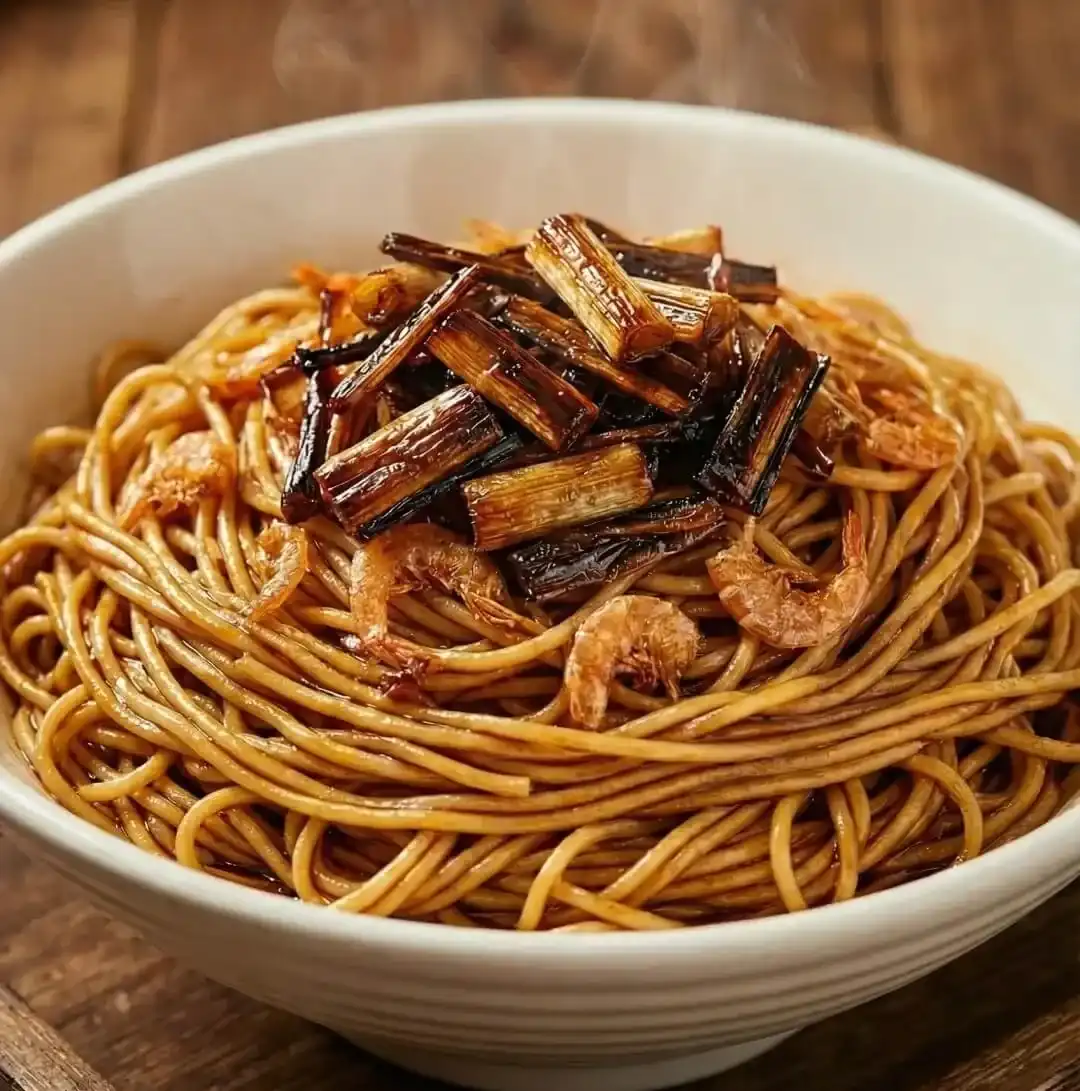
The topping for xiehuang mian begins with crab taken from the shell. Crab meat falls into fine strands, roe is orange and crab paste is thicker and stickier. They are fried into a topping and mixed through noodles so the crab fat coats every strand. The pictured set keeps the components apart, letting diners taste each one before mixing.
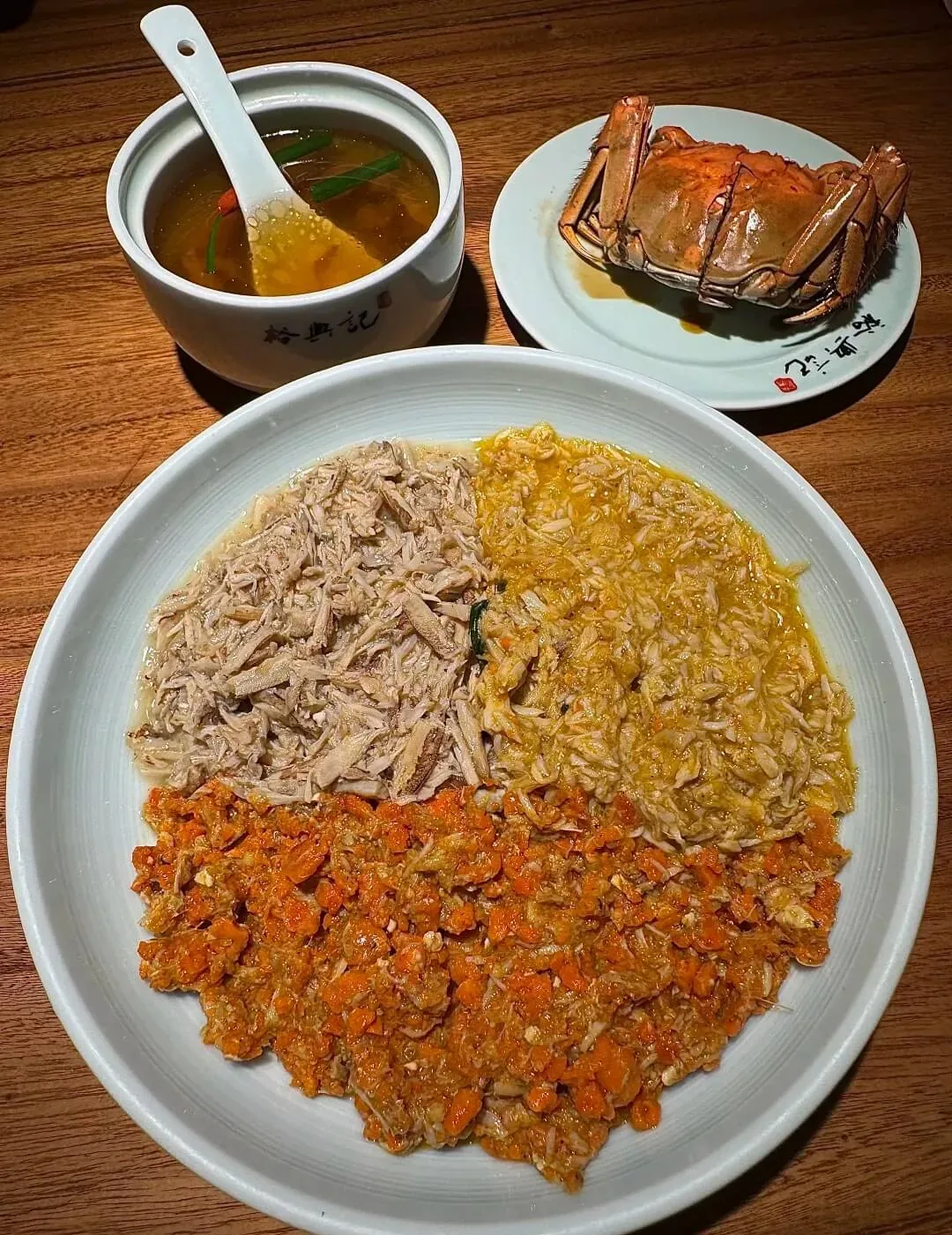
This restaurant set presents crab meat, roe, paste, a whole crab, and soup separately, making their different textures easy to compare.
Taste the topping, then mix thoroughly
Try a small amount of crab meat and roe first to judge the salt and richness. Then turn the noodles up from underneath and work the topping through them. Roe and paste can feel heavy in one concentrated mouthful; spreading them evenly makes the sweetness of the meat and the texture of the noodles easier to notice.
Some restaurants serve ginger tea, shredded ginger or black vinegar to cut through the richness. Taste the noodles plain first, then add a little if you want it. Pouring the whole dish of vinegar in at once can drown the crab.
Crab meat, roe, and paste appear in different combinations
Menus may use the names xiefen mian, xiefen banmian or tuhuangyou banmian. Xiefen often combines picked crab meat and roe. Tuhuangyou usually concentrates more heavily on roe and paste. Each restaurant sets its own balance, and the menu or server can clarify the amount of meat, roe and paste, whether a whole crab is included, and whether the noodles and topping arrive separately.
Autumn brings more menus built around Chinese mitten crab, while some restaurants prepare picked-crab toppings throughout the year. Seasonal menus may identify the crab variety, origin and preparation more specifically.
Ordering note
Crab noodles usually cost far more than an ordinary bowl. Xiefen, xiehuang, xiegao and tuhuangyou describe different balances of crab meat, roe and paste, so check the portion weight, per-person price and whether any whole crab pictured is actually included.