Journey To ChinaLast updated
The flavour is waiting at the bottom
Congyou banmian (葱油拌面) puts fried scallion oil and soy sauce directly on fine noodles. Scallions cook slowly until deep brown, trading their raw bite for a toasted sweetness. Light soy sauce brings savoury depth, while dark soy is often used for colour. The sauce settles under the noodles and coats them evenly once mixed.
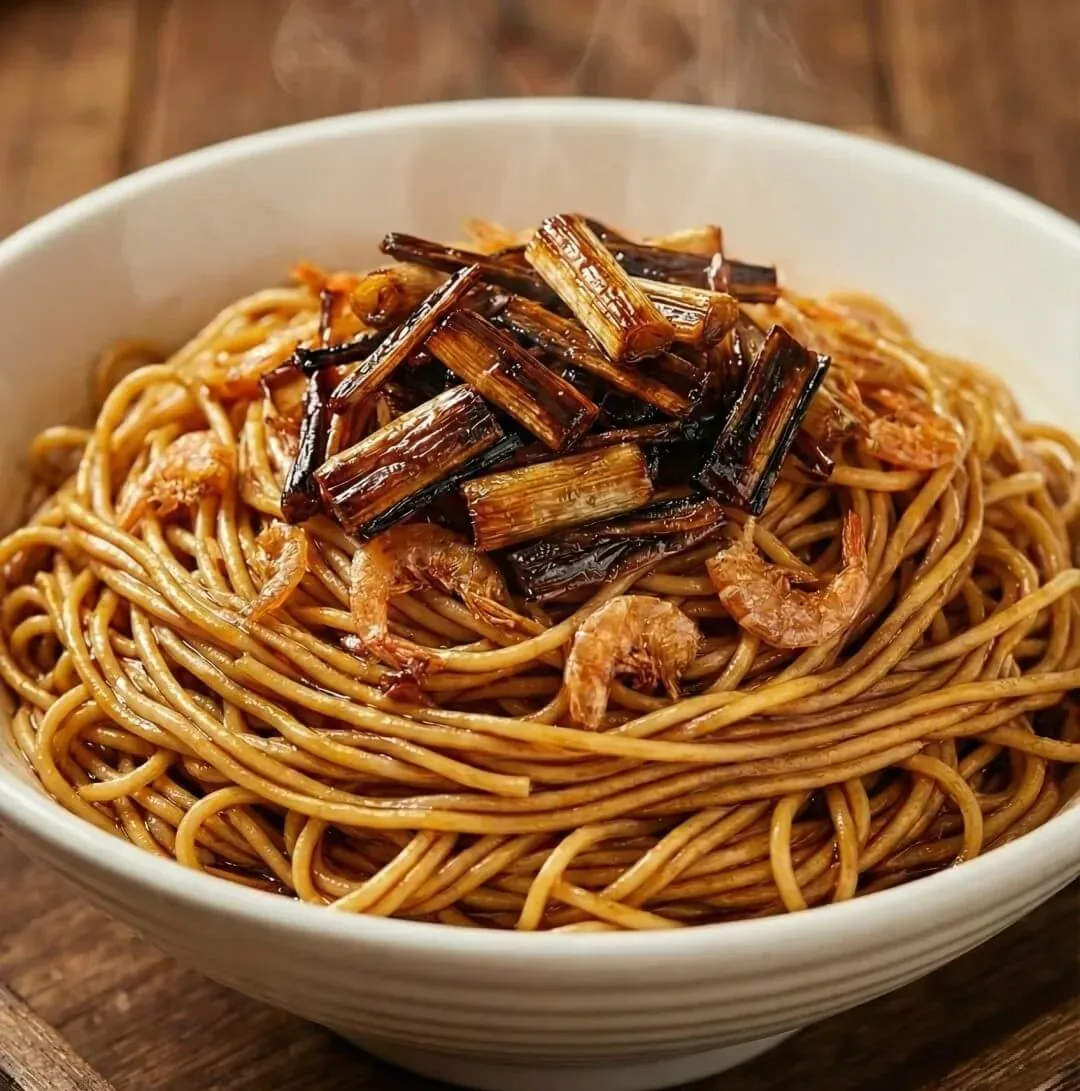
The topping includes fried scallions and kaiyang, or dried shrimp, adding a marine savoury note beside the scallion oil and soy.
Turn the noodles up from the bottom
Push the chopsticks down, lift the sauce and scallion oil through the noodles, then shake the strands loose. Repeat until the colour looks even. Eat while hot: the scallions keep a little crunch, whereas the noodles soften and clump as they sit.
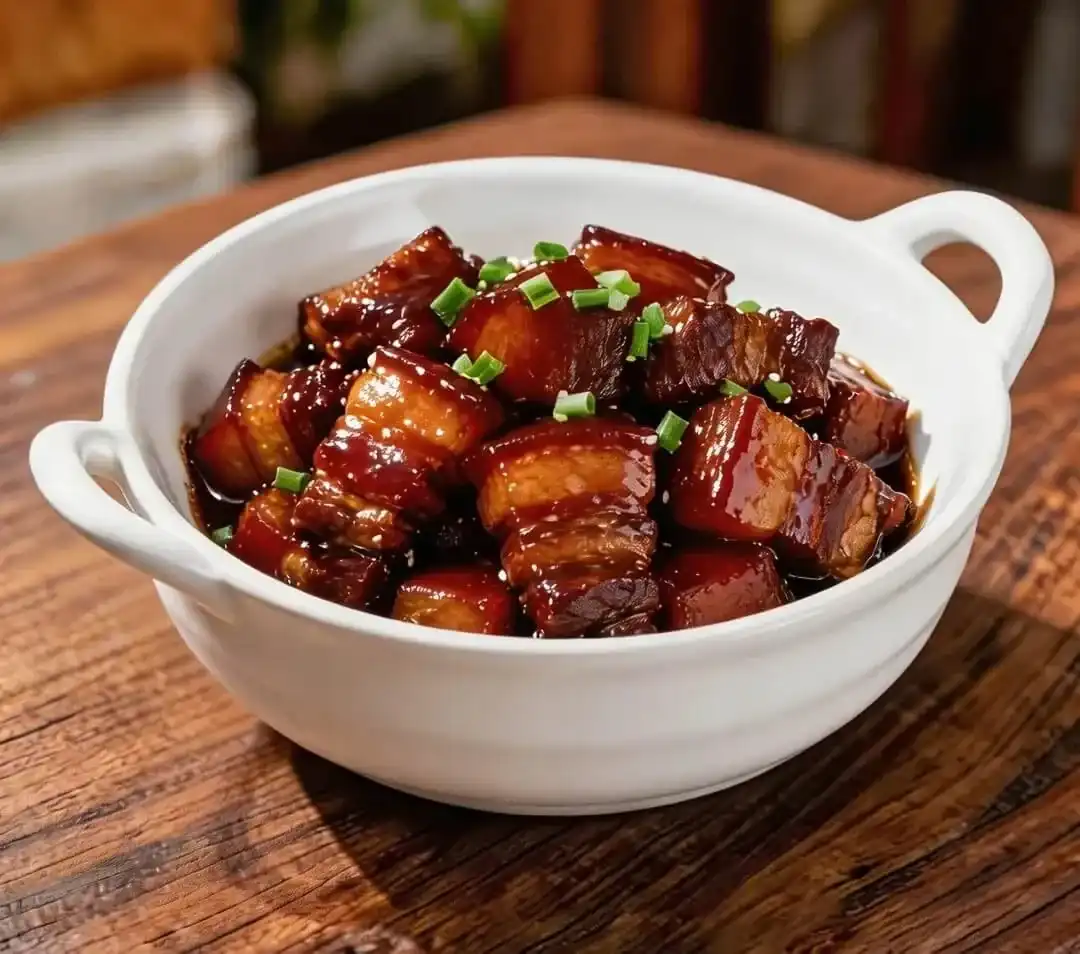
The bowl is compact but aromatic. A pork chop, braised pork or fried egg turns it into a fuller meal, while a plain version keeps the focus on the fragrance of scallion oil.
Choose pure scallion aroma or add dried shrimp
The basic bowl can be only noodles, scallion oil and soy sauce. A common variation adds kaiyang (开洋), dried shrimp. That is the version in the photograph. Say 不要开洋 if you want the scallion-only version; add braised pork, a pork chop or an egg if you want a larger meal.
Kaiyang is dried shrimp and adds a marine savoury note. Some traditional versions also use lard, giving the oil a rounder aroma and texture.