
Journey To ChinaLast updated
Kuanzhai Alleys guide
Three parallel lanes preserve the outline of Shaocheng
Old Chengdu contained both the main city and Shaocheng. In the Qing dynasty, Shaocheng housed Banner garrison communities within its own walls and lane system. That institution ended after the 1911 Revolution and many surrounding streets later disappeared, leaving Wide Alley, Narrow Alley, and Well Alley as a particularly legible remnant of the old plan.
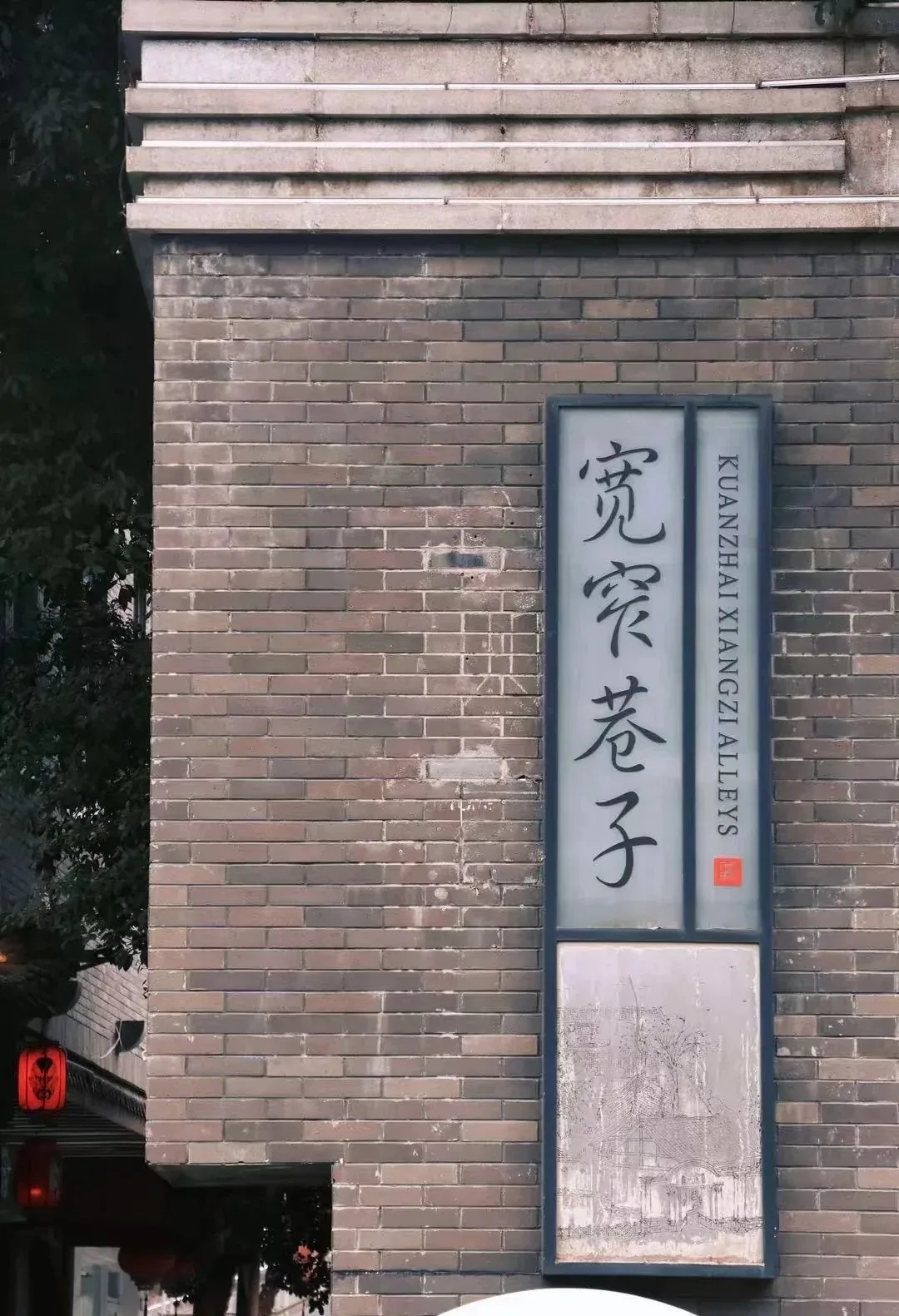
Beyond the boundary wall, cross lanes and continuous gateways divide the view into a sequence of courtyards.
Most visible buildings date from the late Qing and early Republican periods, with later alteration and restoration. Conservation renewal began in 2003 and the district reopened in 2008, turning residential courtyards into teahouses, restaurants, hotels, exhibitions, and shops. Surviving walls and street dimensions now coexist with active urban reuse.
Wide, Narrow, and Well meet their courtyards differently
Wide Alley has a broader street and many accessible dining or teahouse courtyards. Narrow Alley brings traditional walls, early-modern garden houses, and contemporary storefronts close together. Well Alley uses a long wall, reliefs, and public art to produce a more linear rhythm.
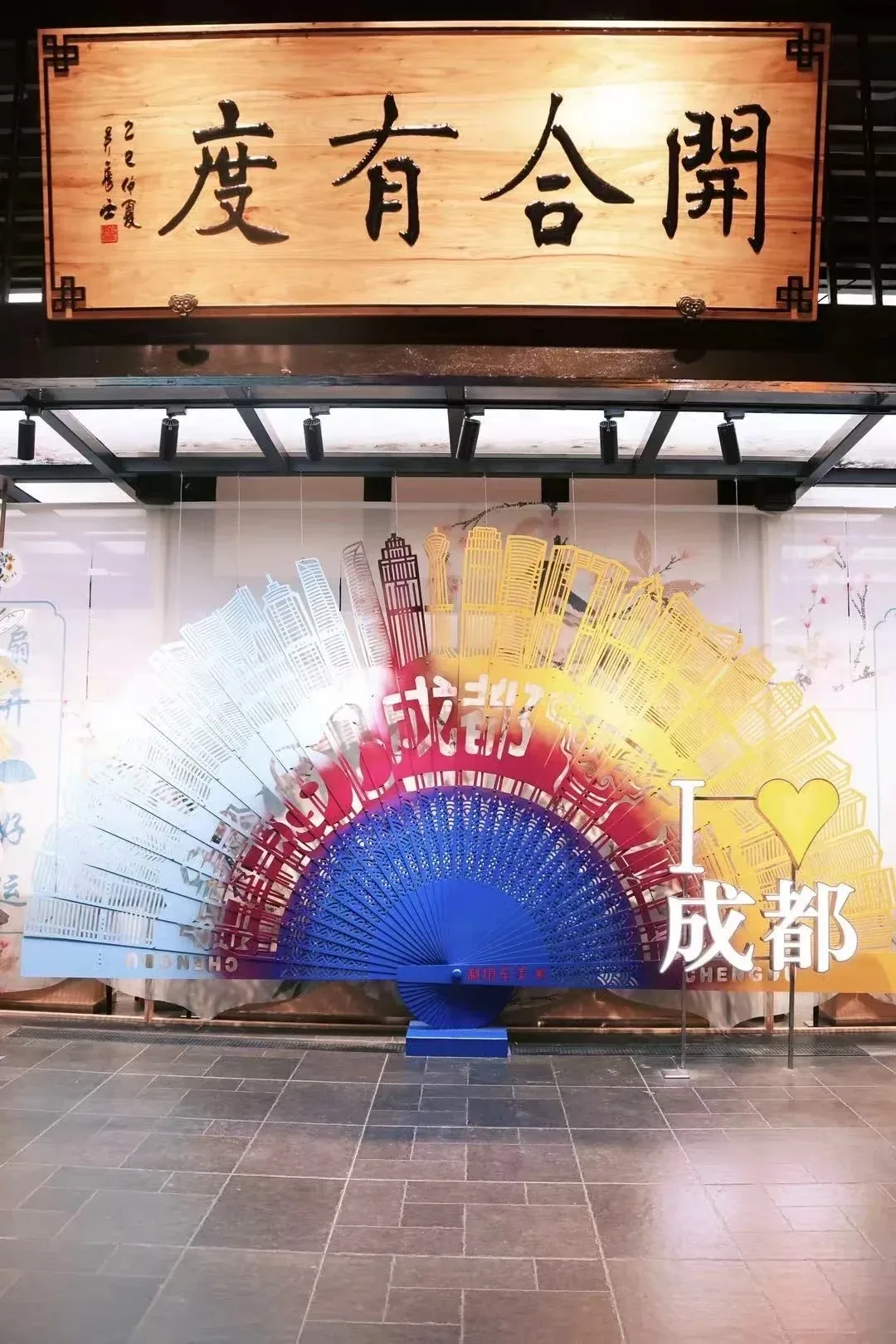
Contemporary installations show that the historic lanes remain an active public and commercial setting.
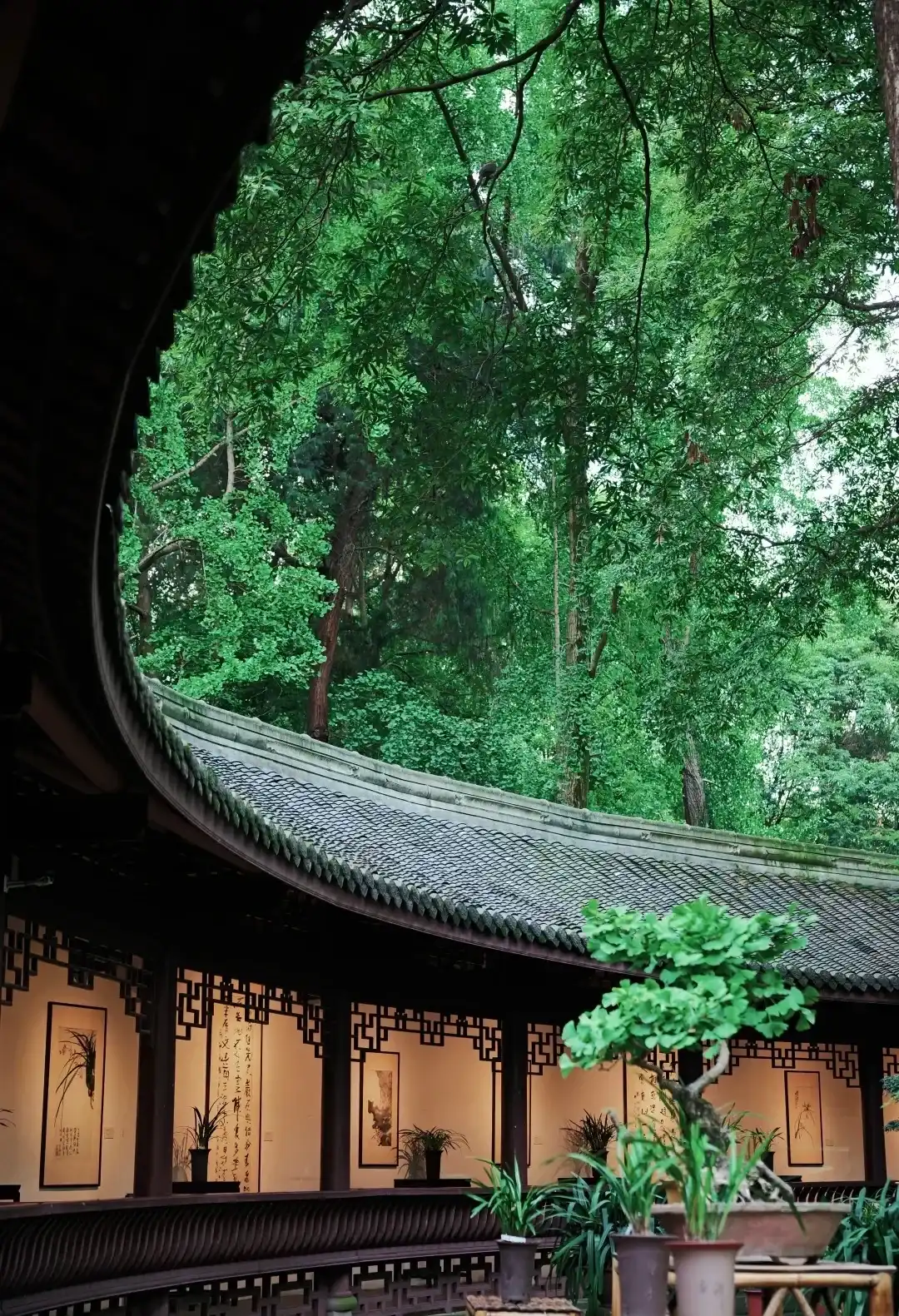
Gateways reveal the courtyard logic. A screen wall often blocks the direct view from the lane, a side turn leads into the central court, and covered galleries connect rooms while sheltering movement in Chengdu's damp climate. Each business opens a different portion of its building.
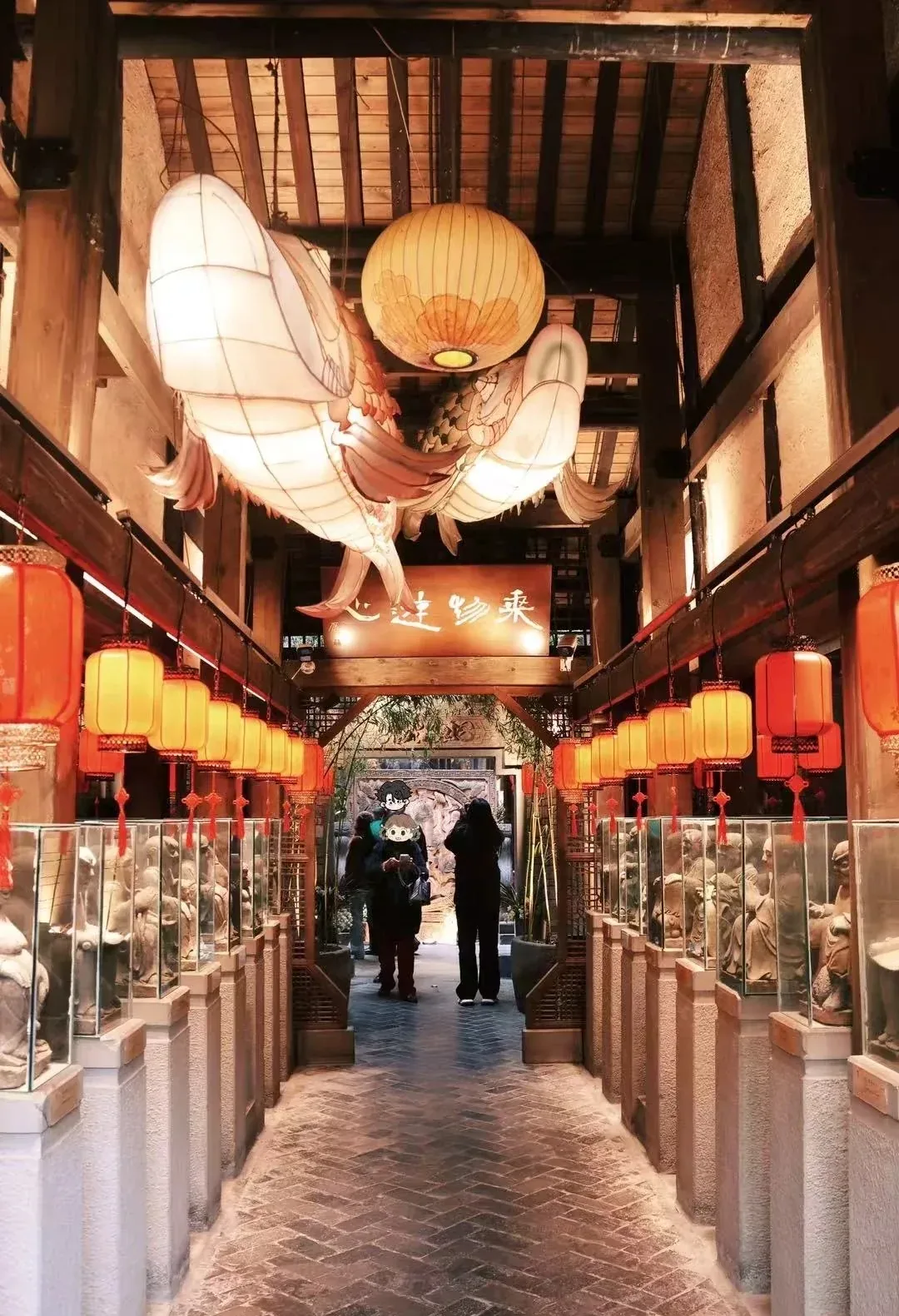
Covered circulation keeps the courtyard connected in rain and reveals timber details after dark.
Tea and ear cleaning belong to a living district
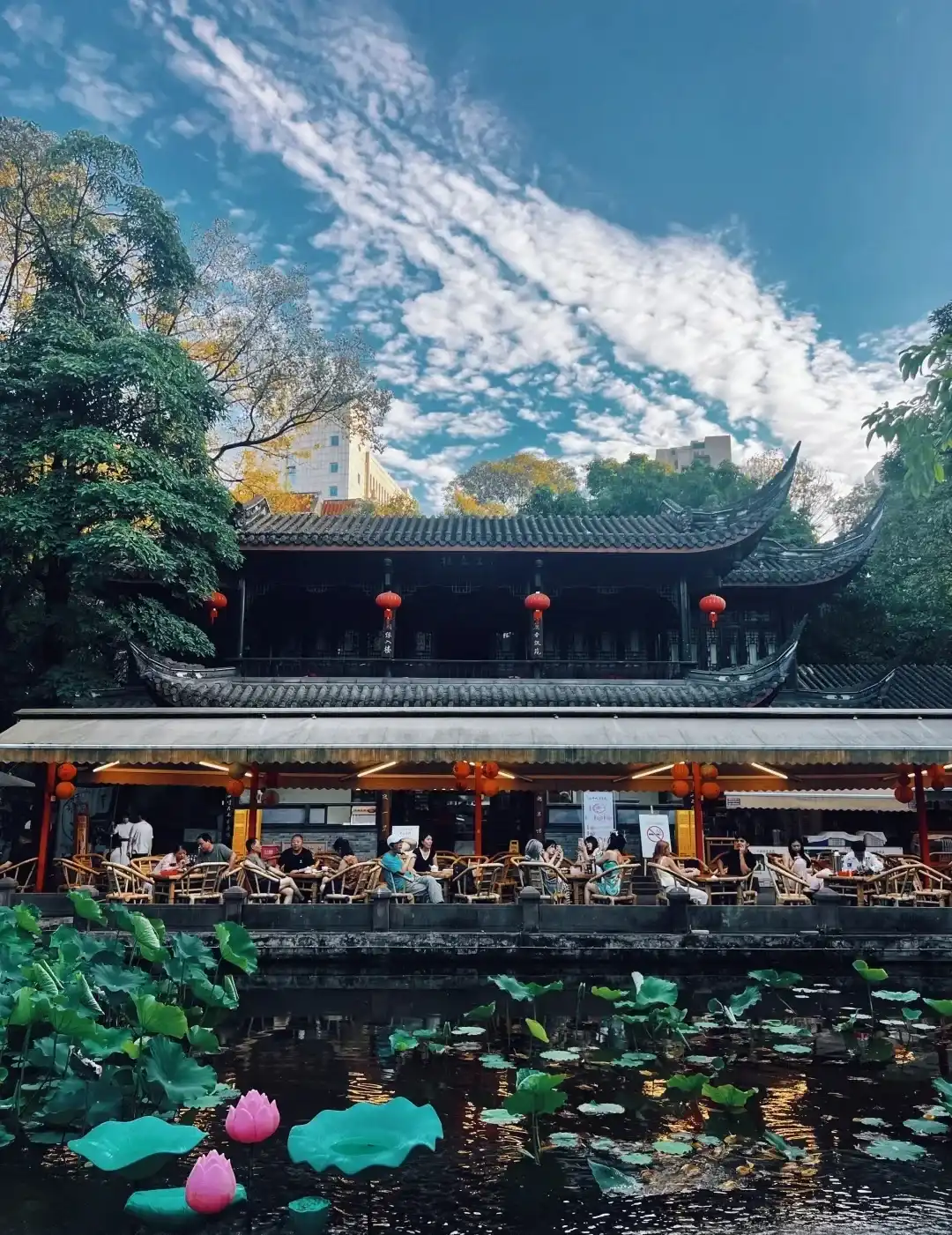
Lidded-bowl tea, short opera performances, crafts, and ear-cleaning services keep the lanes participatory. Tea uses a lid, bowl, and saucer, with repeated hot-water refills supporting a long, unhurried sitting. Ear cleaning is offered by independent operators, so the service, tool handling, and total price can be confirmed directly.
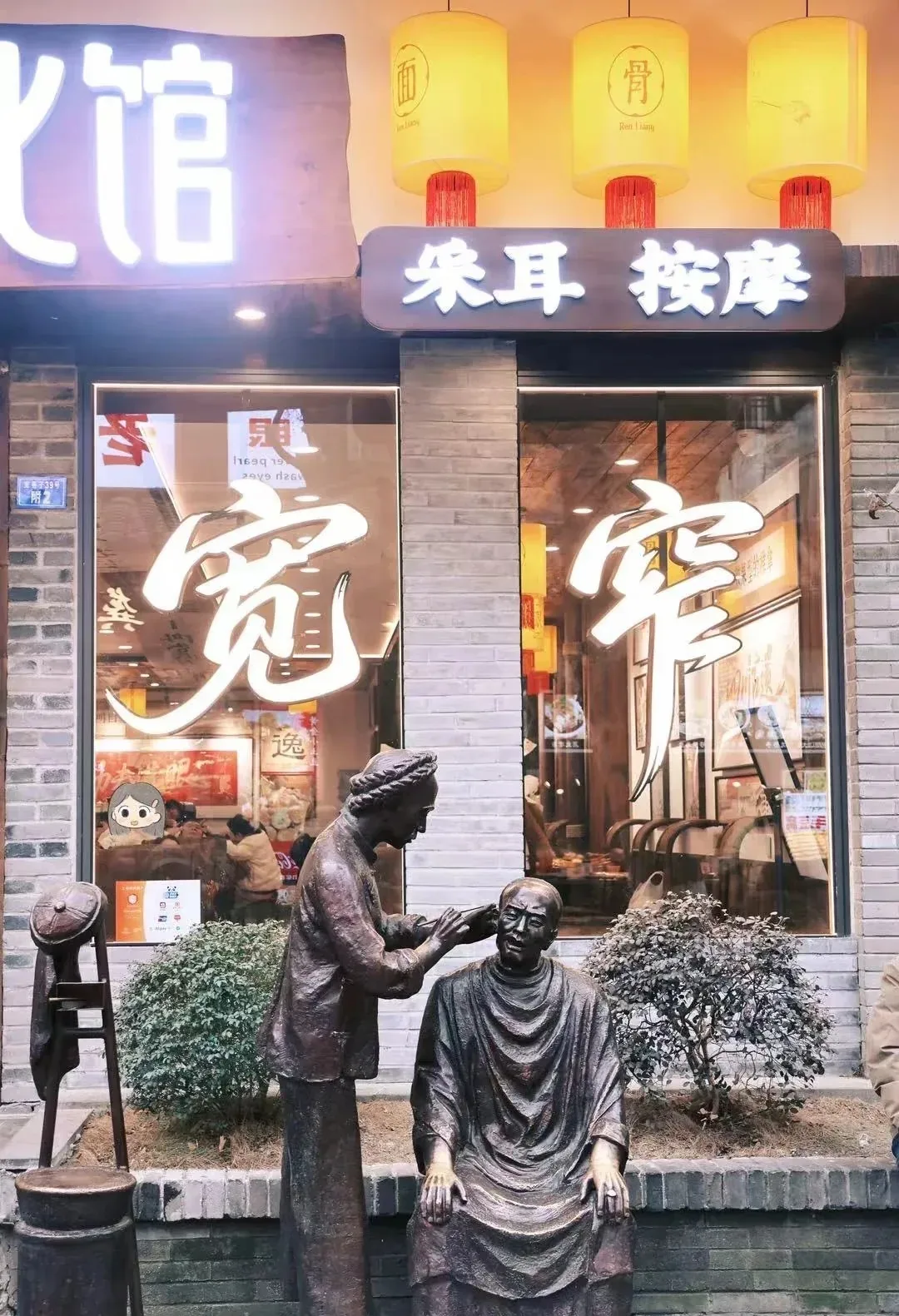
The sculpture records a recognisable Chengdu service; actual treatments take place within independently run businesses.
People's Park lies southeast within the former Shaocheng area. Walking from the residential lanes to the old Shaocheng Park site adds the Railway Protection Movement monument, lake, and public teahouses to the same story of urban space becoming open to all residents.