
Journey To ChinaLast updated
Chengdu People's Park guide
Shaocheng Park opened a former garrison district
People's Park began as Shaocheng Park in 1911, the first modern public park in Sichuan. Its site lay inside the Qing garrison quarter. As the old military system changed, gardens, displays, public education, sport, and entertainment transformed a restricted urban area into a civic space.
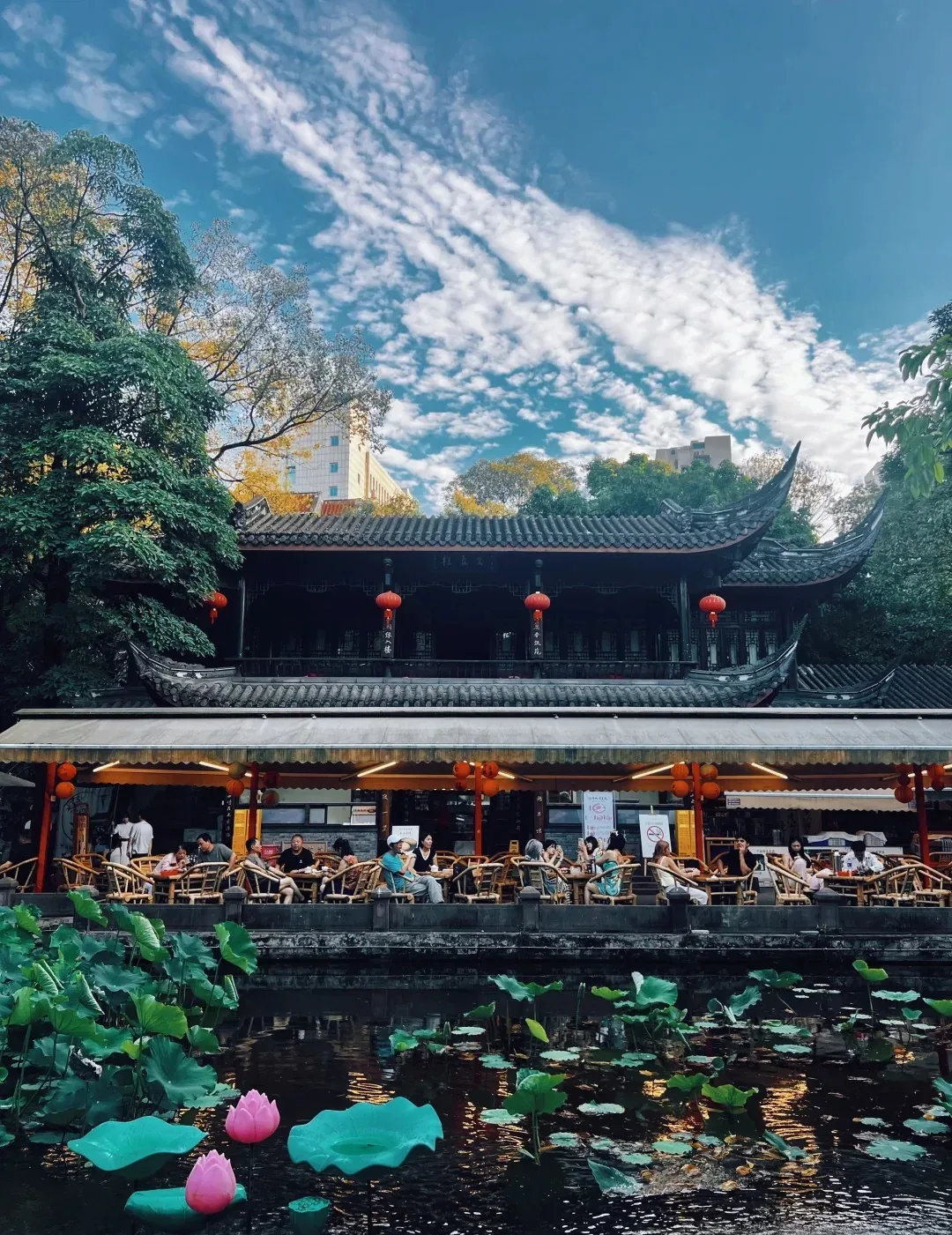
Tea tables beside the water show how the park's landscape and daily social life occupy the same scene.
The artificial lake, bridges, planted islands, and seasonal flowers developed through successive renovations. Boating, walking, chess, exercise, and family gatherings all take place within this compact landscape.
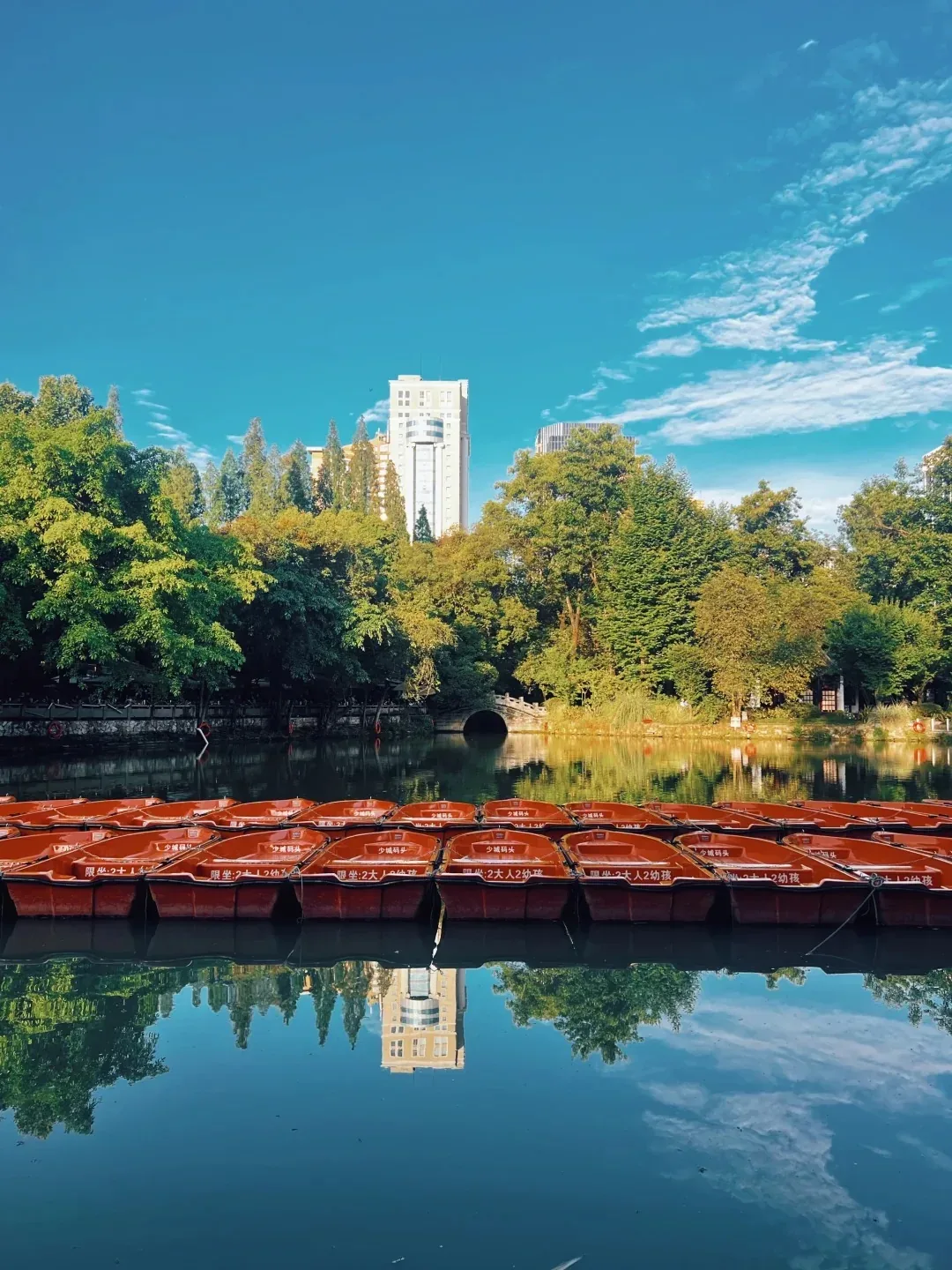
The lake adds an active recreation layer to the paths and teahouses.
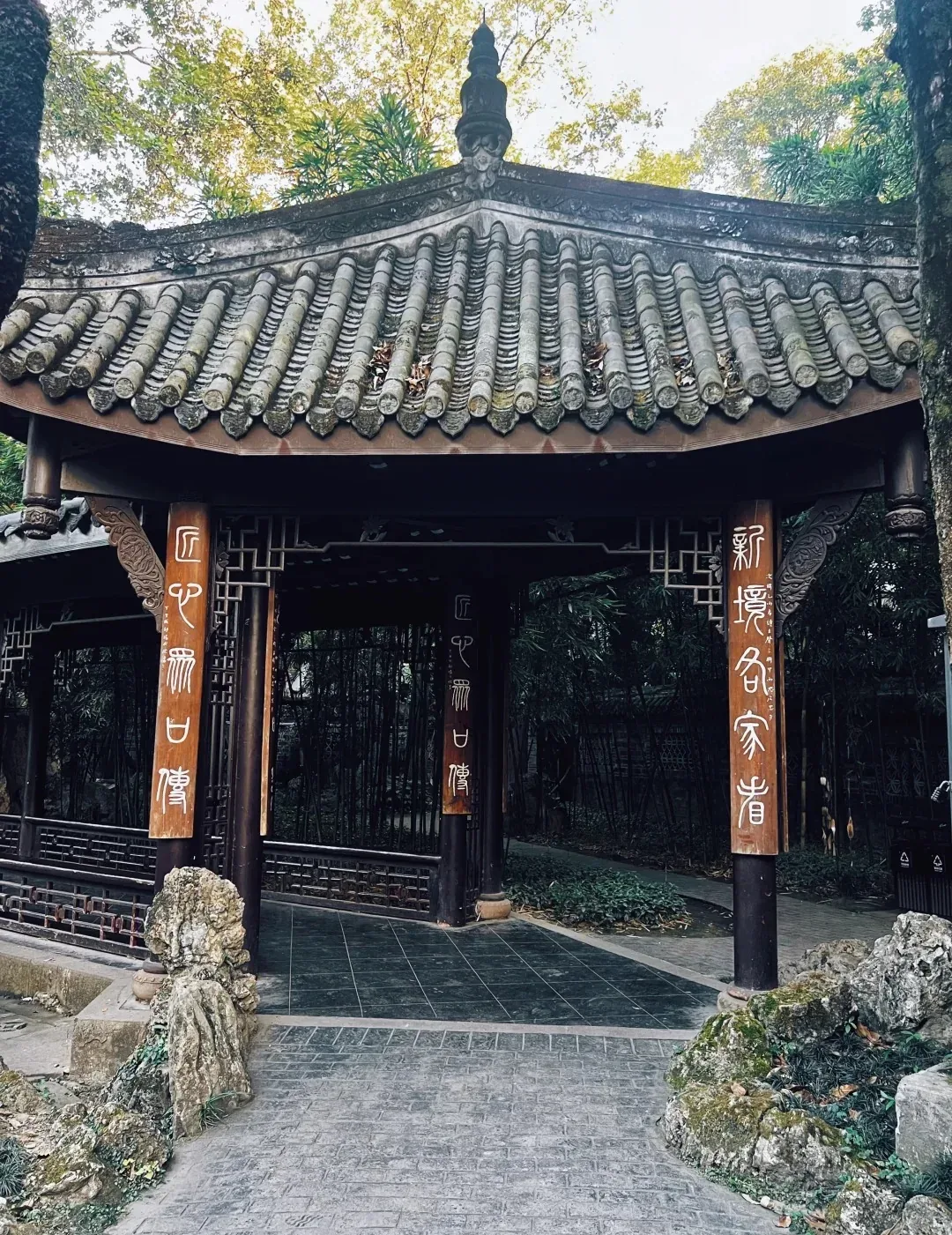
Gateways and planted courts divide a small city park into distinct rooms.
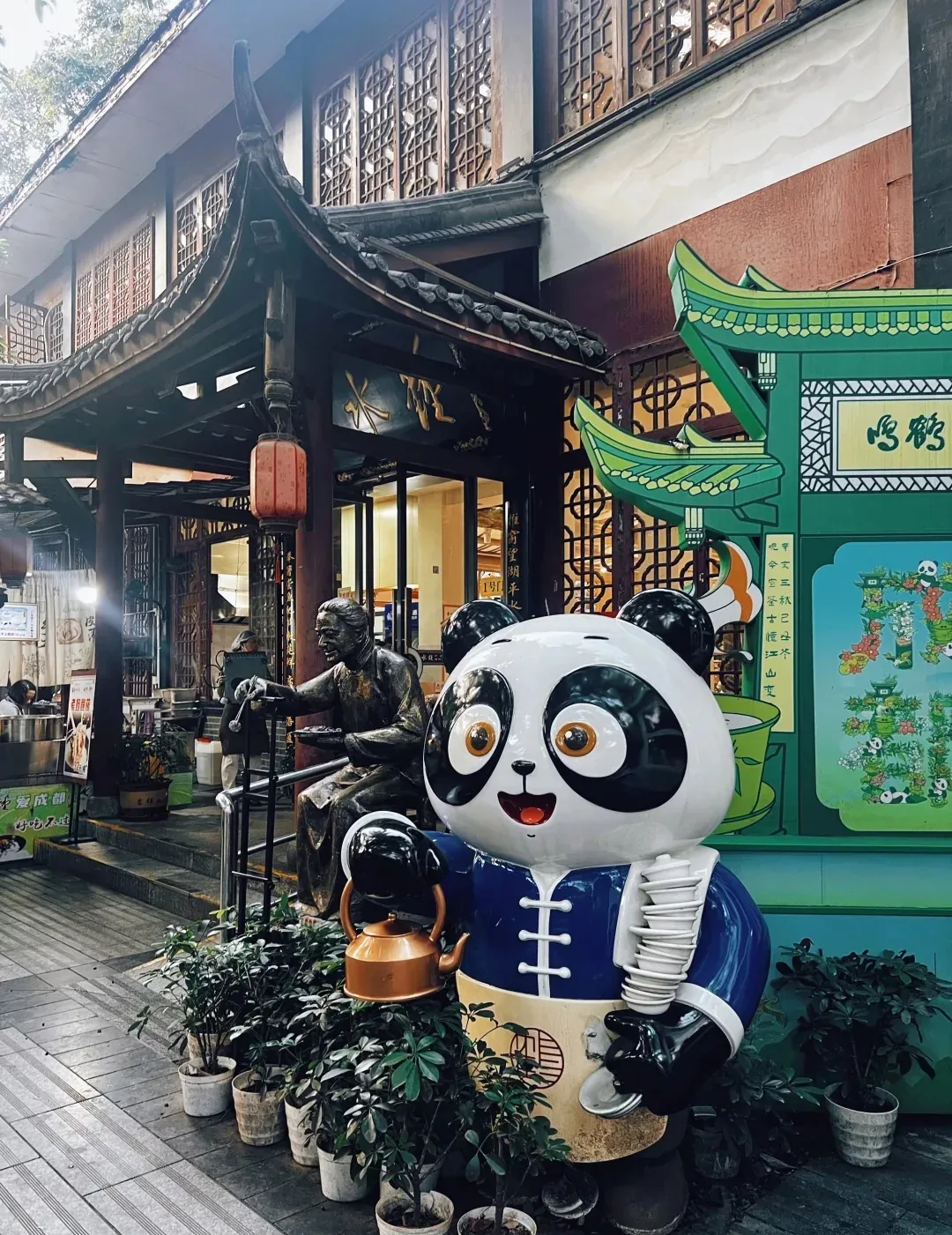
Contemporary city imagery sits comfortably beside the older garden structure.
The Railway Protection monument holds a national story
The 1911 Railway Protection Movement arose from opposition to railway nationalisation and foreign financing arrangements. The struggle in Sichuan accelerated revolutionary mobilisation before the 1911 Revolution. The tall monument and associated memorial material place that national turning point inside an everyday public park.
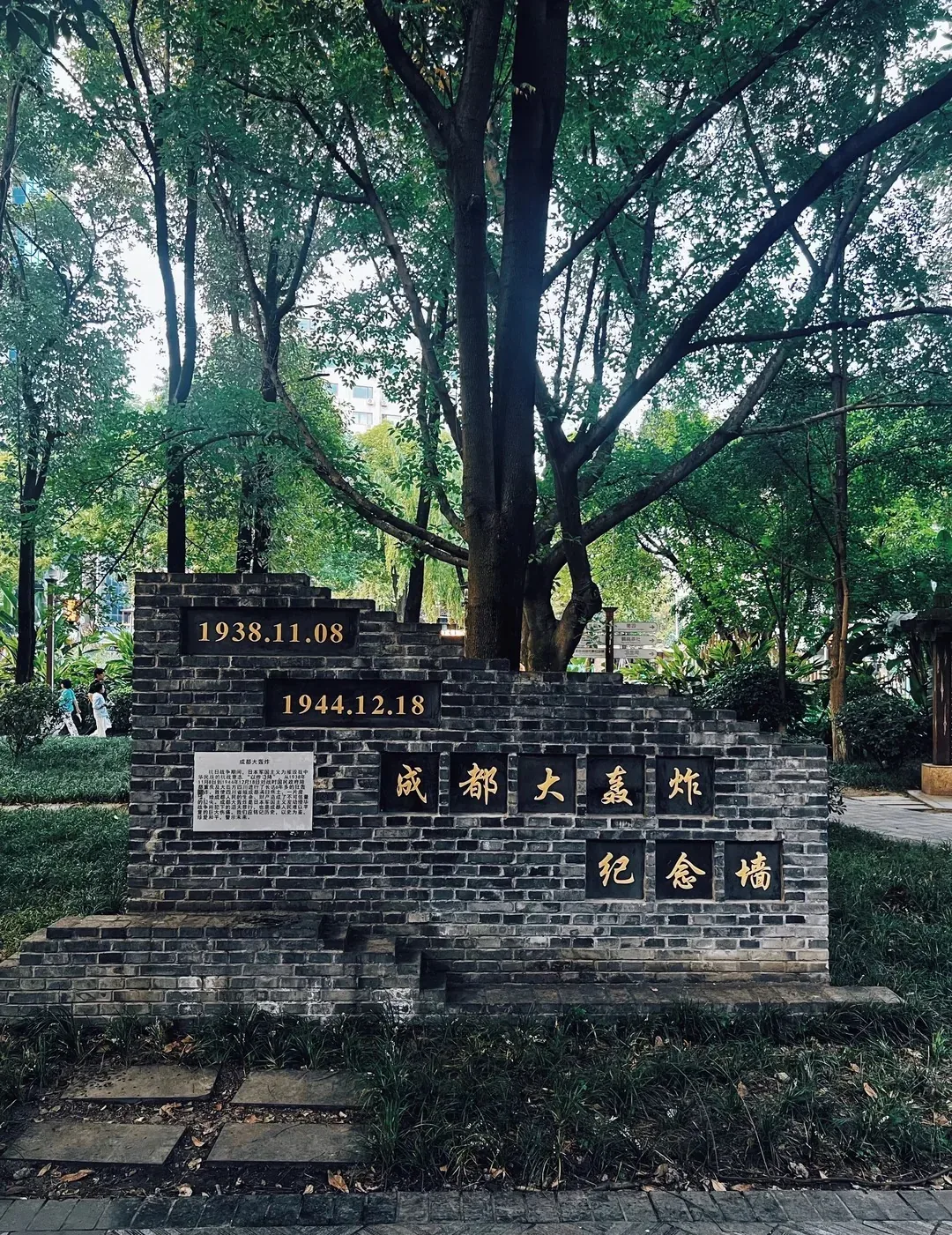
The wall adds historical explanation around the principal monument.
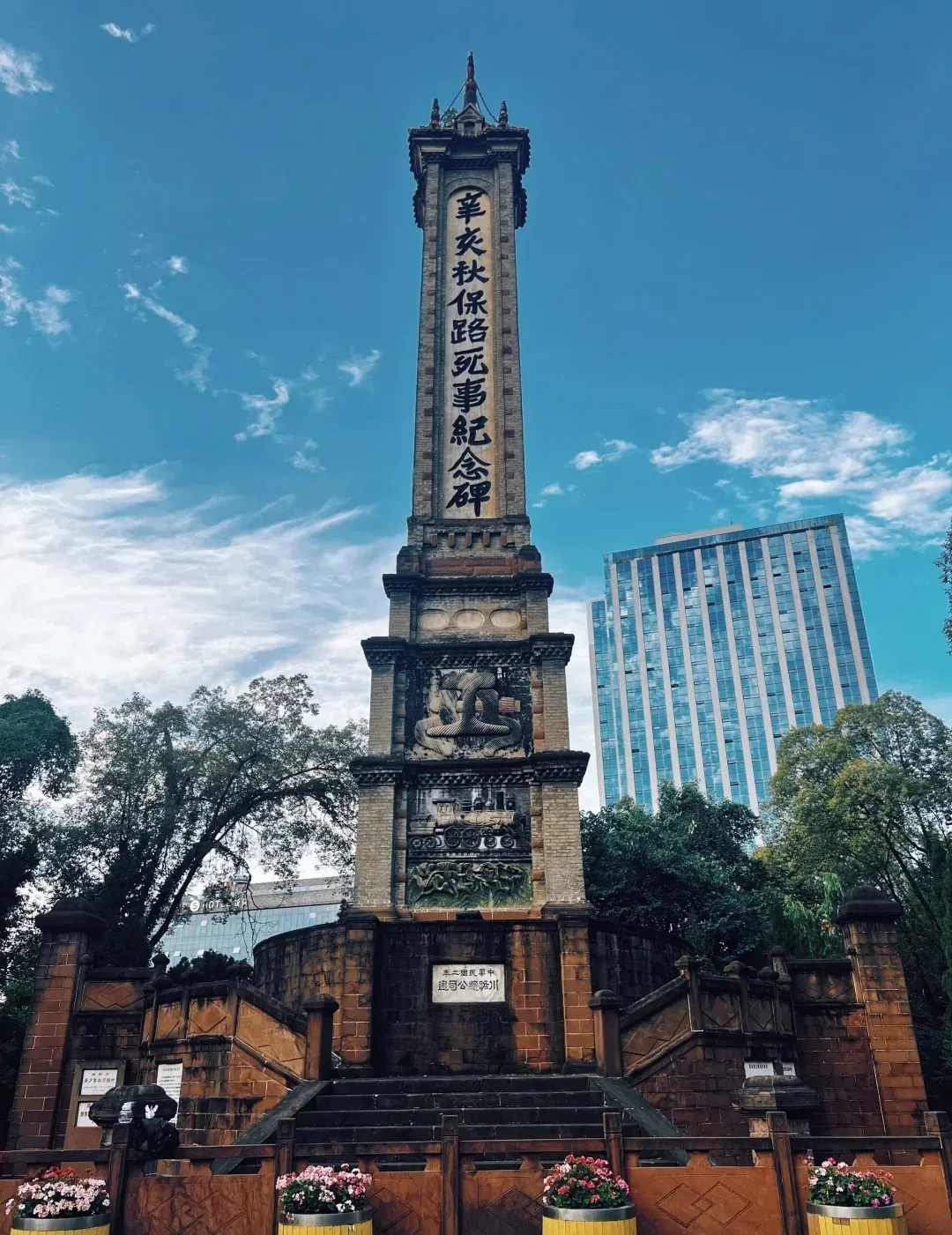
Its inscriptions and forms deserve a slow circuit from more than one side.
A lidded bowl and repeated refills set the rhythm
Heming Teahouse dates to the Republican era and remains one of the park's best-known social spaces. Tea arrives in a bowl with lid and saucer. The lid moves leaves aside, releases aroma, and signals for water; repeated refills make the table a place to sit, talk, read, or watch the park.
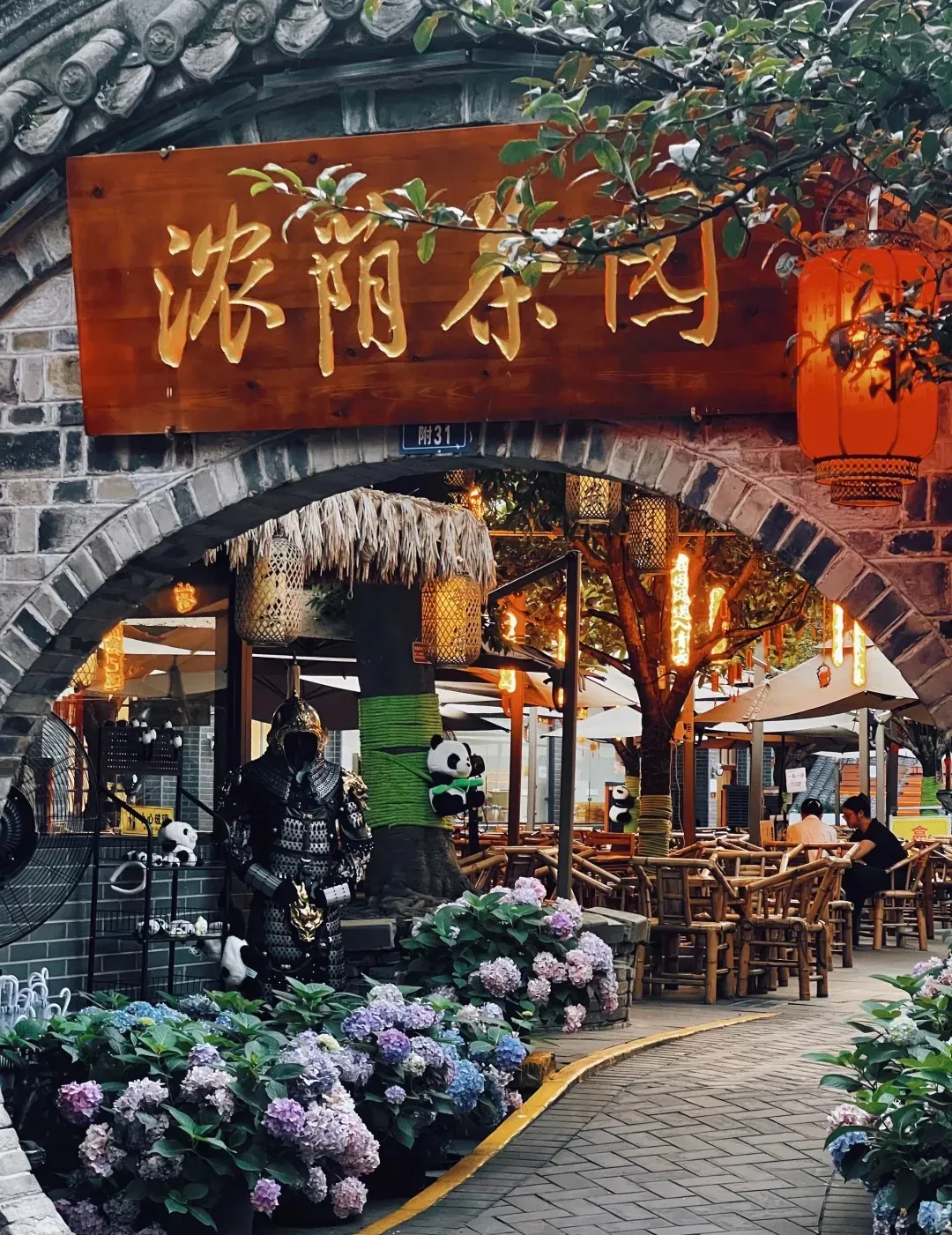
More than one teahouse contributes to the park's tea culture.
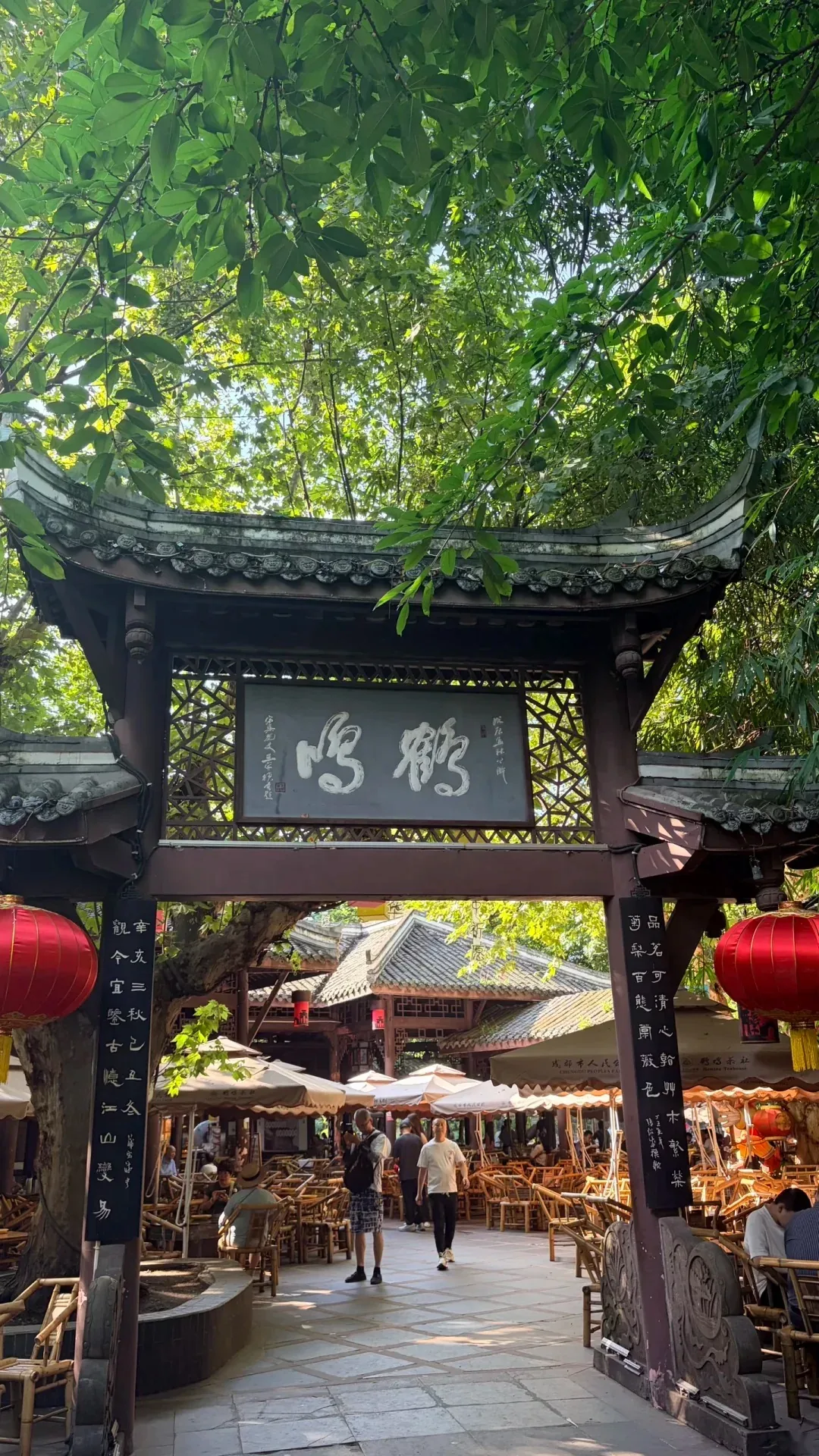
The historic name marks the transition from garden path to the social space of the teahouse.
Tea prices vary by leaf and seat; the listed price and included water refills can be confirmed before ordering. Ear cleaning and photography are independent services, with their own price and tool-handling arrangements.
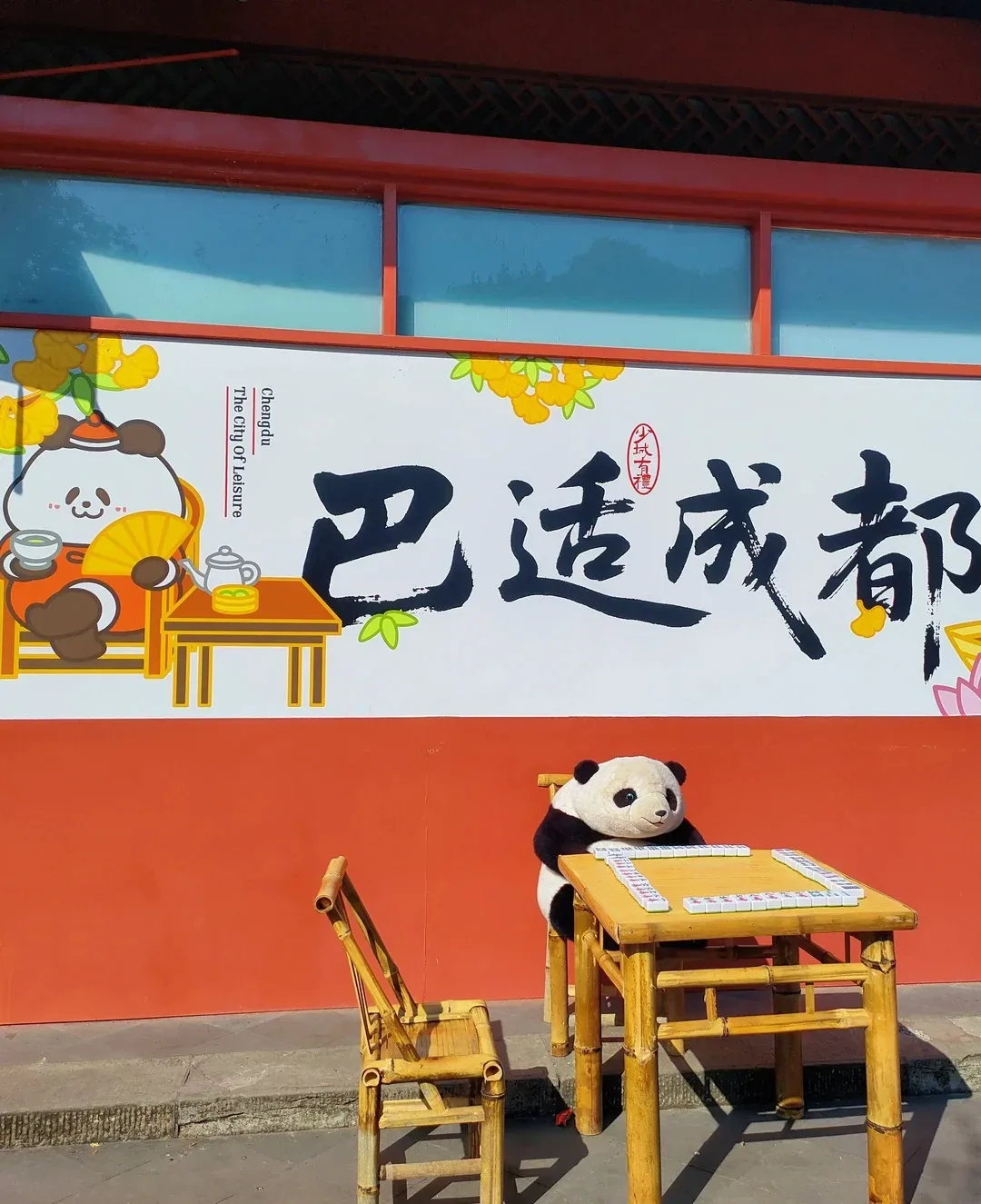
Bamboo furniture and city motifs turn a simple seating area into an image of Chengdu leisure.
Kuanzhai Alleys lies within the same former Shaocheng area. Linking the park to the lanes continues the story from a Qing residential quarter to a modern public park.