
Journey To ChinaLast updated
798 Art District guide
“798” began as a factory number
The district grew from the North China Wireless Joint Equipment Factory, also known as the 718 Joint Factory, a major First Five-Year Plan project built with East German assistance. Numbers such as 706, 707, 751, 797 and 798 identified parts of one production system before “798” became the name of the wider art district.
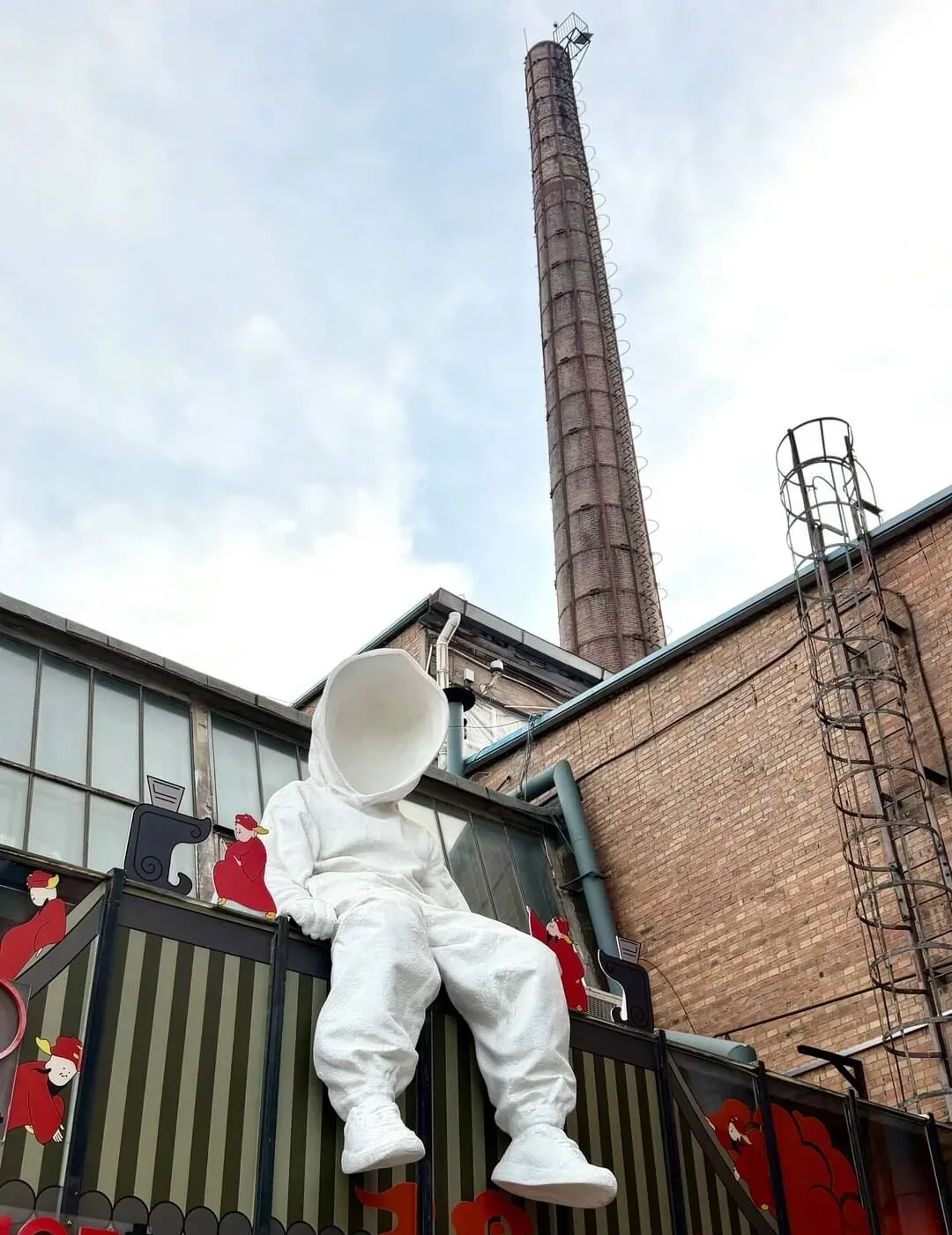
Factory architecture became useful exhibition space
Saw-tooth roofs and high north-facing windows gave workshops even daylight with less direct glare, useful for precise electronics work. Large spans left room for continuous machinery. When artists and institutions moved in from the early 2000s, the same height, light and open floors could support large paintings, sculpture, video and temporary partitions.
Red brick, pipes, old slogans and production numbers remain inside and outside galleries. They affect how contemporary work is seen; they are not simply an “industrial style” added later.
Exhibitions change faster than the buildings
UCCA, 798CUBE, photography spaces and commercial galleries set independent tickets, hours and exhibition calendars. Checking one or two current exhibitions gives the walk an anchor, while smaller galleries and outdoor works can be discovered between them. Public art and wall paintings change, so a familiar image from an old guide may no longer occupy the same wall.
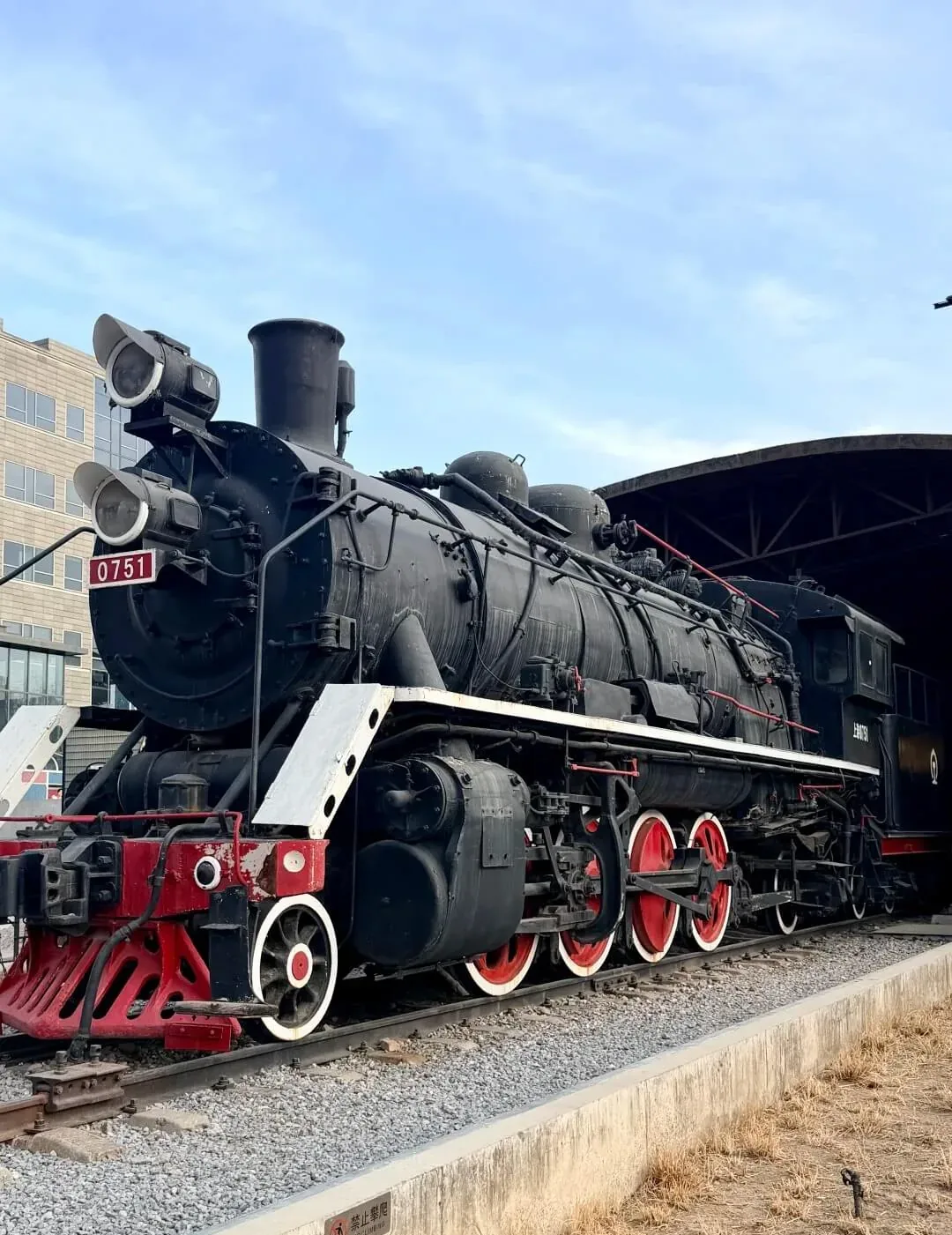
751 completes the industrial story
The neighbouring 751 area preserves gas holders, furnaces, pipes and power infrastructure that supplied the joint factory. Railway traces and a locomotive help explain how material moved through the site. Walking from gallery halls into 751 compares two forms of reuse: production sheds adapted for art and large utility structures retained as public landmarks.
The district covers more ground than one street. Gaojiayuan station offers a direct approach; taxis and ride-hailing work best with a specific museum or gate rather than “798” alone.