
Journey To ChinaLast updated
Forbidden City guide
The palace that fixed Beijing's centre
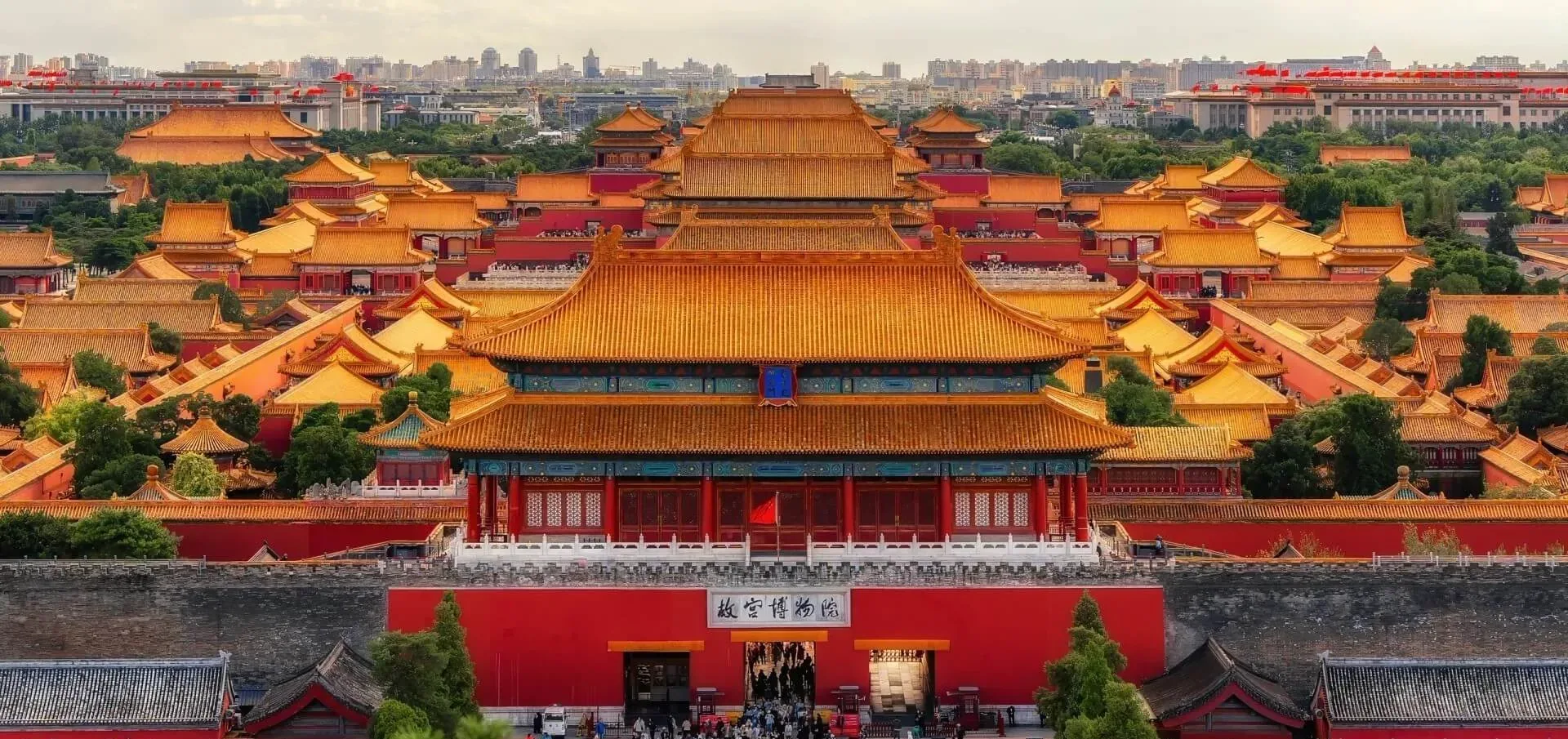
The Yongle emperor ordered a new imperial palace in 1406. Large-scale construction began in 1417, the complex was completed in 1420, and the court formally moved from Nanjing to Beijing the following year. Fourteen Ming emperors and ten Qing emperors later used it as the centre of court life and government. Qing rebuilding kept the broad Ming plan while adding Manchu ritual and domestic practices, so the palace visitors see today contains layers from both dynasties.
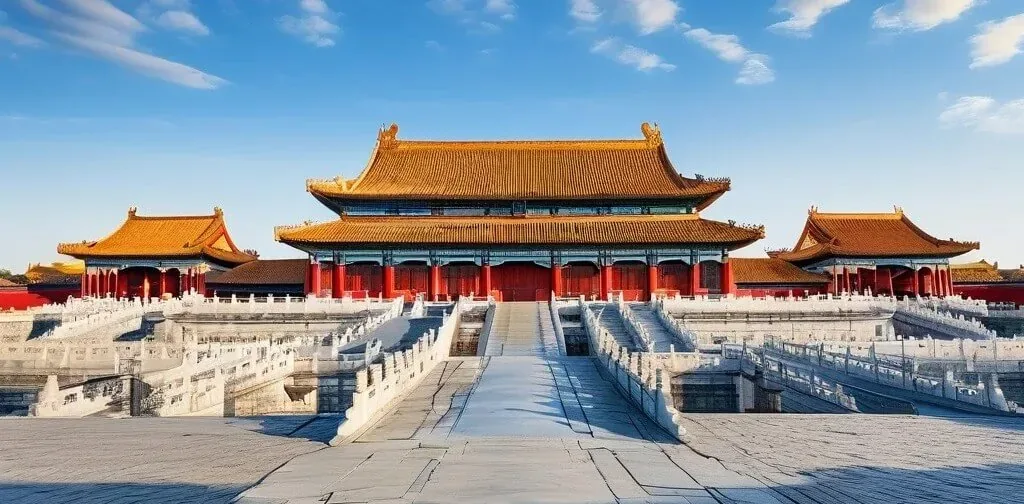
The Hall of Supreme Harmony rises above three white-marble terraces. Courtyard, platform and roof establish the scale of state ceremony before a visitor reaches the hall.
The central axis stages authority; the side courts show daily life
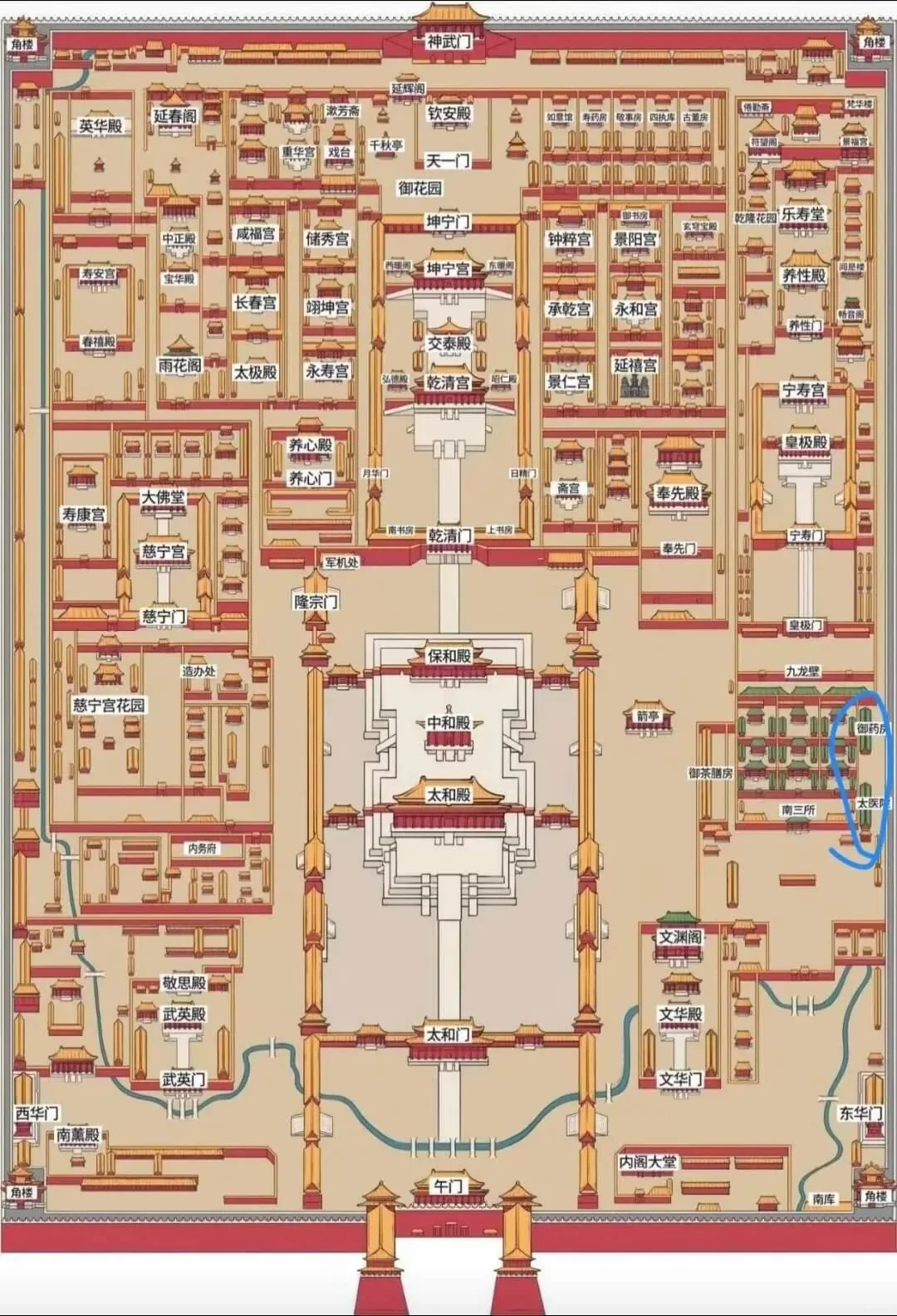
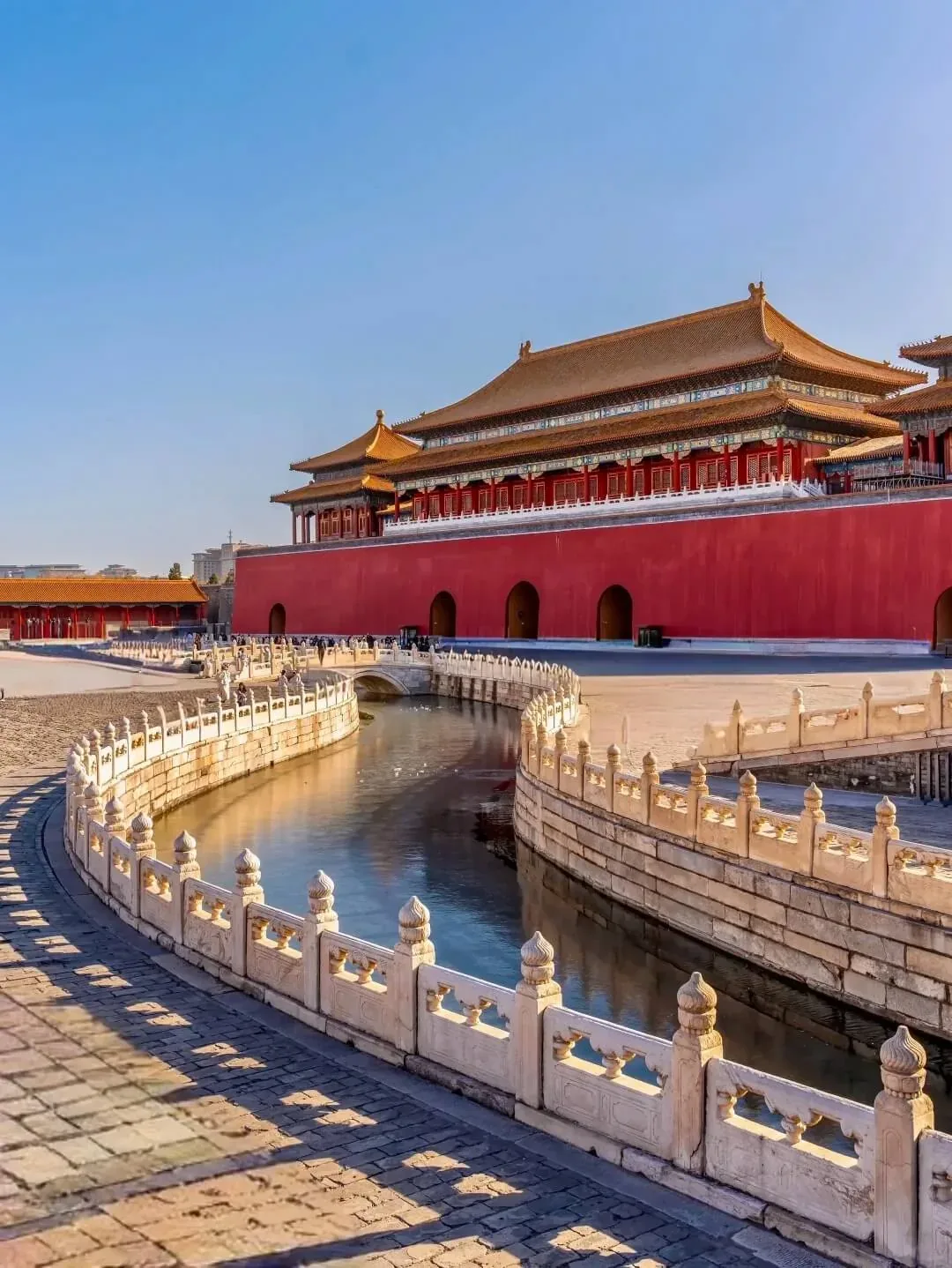
From the Meridian Gate, the Inner Golden Water River, Gate of Supreme Harmony and three great halls unfold in strict sequence. The distance is deliberate. Gates, courtyards and raised platforms turned rank into a physical experience. The Hall of Supreme Harmony hosted enthronements, imperial weddings, military commissions and major court celebrations; routine government happened in smaller rooms elsewhere.
North of the Gate of Heavenly Purity, the courtyards tighten. The Palace of Heavenly Purity, Hall of Union, Palace of Earthly Tranquillity and the Six Eastern and Western Palaces served the emperor's household. The Palace of Earthly Tranquillity began as the empress's residence, then was altered under the Qing for Manchu shamanic rites, while its eastern chamber retained a role in imperial weddings.
The Yongzheng emperor moved much of his daily work to the smaller Hall of Mental Cultivation. It later contained the Qianlong emperor's celebrated Three Rare Treasures studio and became associated with rule from behind the curtain after 1861. These west-side rooms explain why the grandest axis and the rooms where decisions were made were not always the same place.
A palace and a museum occupy the same ground
After the Qing abdication in 1912, Puyi remained in the Inner Court for a time. The Palace Museum opened on 10 October 1925, turning a former imperial enclosure into a public institution. Its collections grew from court holdings of painting, ceramics, clocks, costume, furniture, archives and ritual objects. Beginning in 1933, more than 13,000 cases of objects were moved south and later inland to protect them during war.
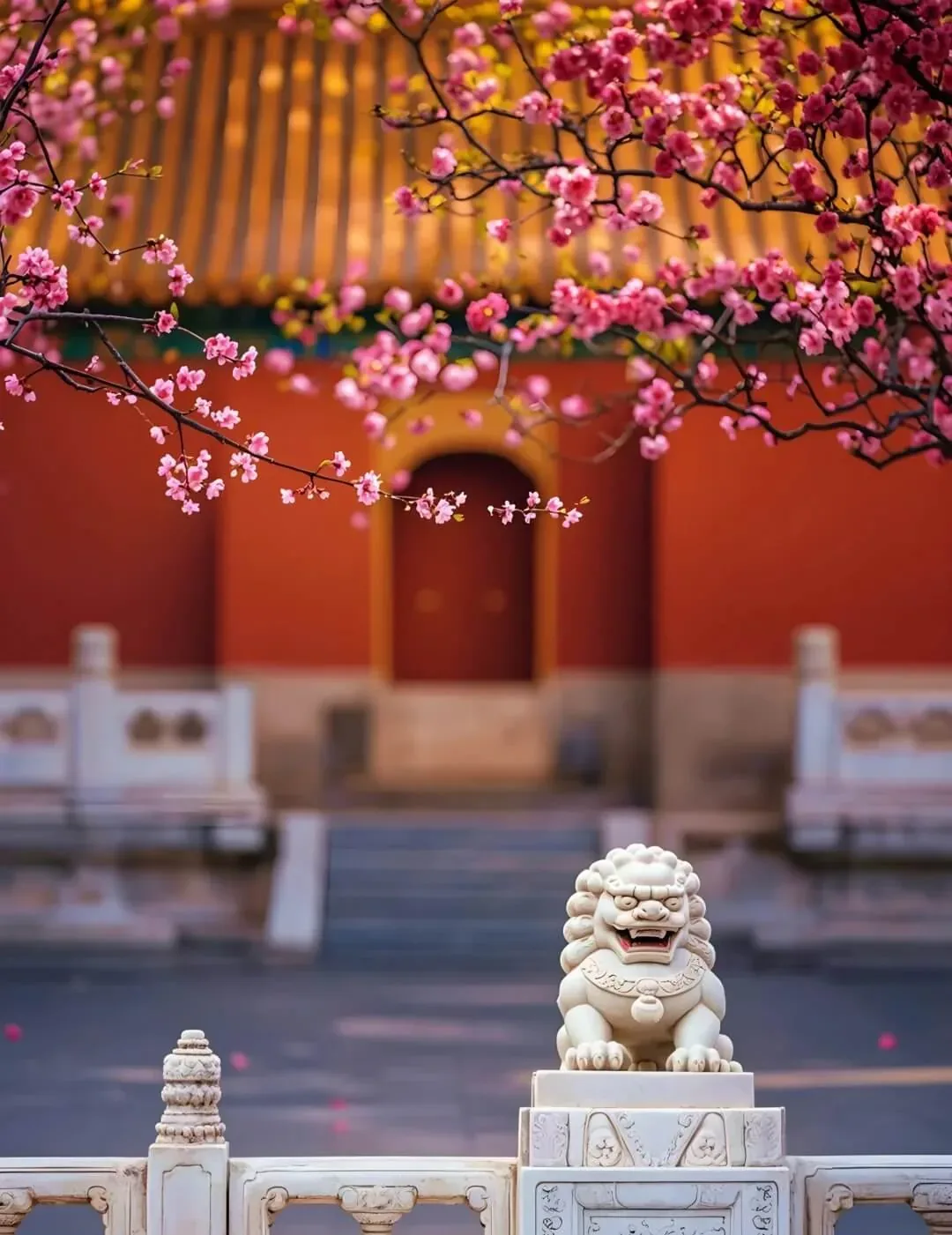
Architecture, original room settings and gallery displays tell different parts of the story. The central axis explains the palace plan; specialist galleries show how the court lived, collected and made things.
The Treasure Gallery, Clock Gallery, Ceramics Gallery and changing exhibitions each justify leaving the central route. Choose one according to the current exhibition list and opening areas. It is a better way to understand the museum than treating every side court as a box to tick.
Costume photography belongs around the palace as well as inside it
Traditional-style clothing and makeup studios cluster around Qianmen, Wangfujing and Jingshan. They are independent businesses, not Palace Museum services. Personal photographs are allowed in open areas, but commercial shoots, live broadcasts, tripods, selfie sticks, reflectors and weapon-like props require restrictions or permission. Clothing also needs to pass security and remain manageable through a long, one-way visit.
The north gate opens onto another view of the city
The standard visit runs south to north and ends at the Gate of Divine Prowess. Across the road, Jingshan's central hill gives the clearest complete view of the palace roofs and central axis. To the northwest, Beihai adds an imperial lake landscape; to the east, Wangfujing offers shops and an easier evening route. These are separate sites with their own hours and tickets.