Journey To ChinaLast updated
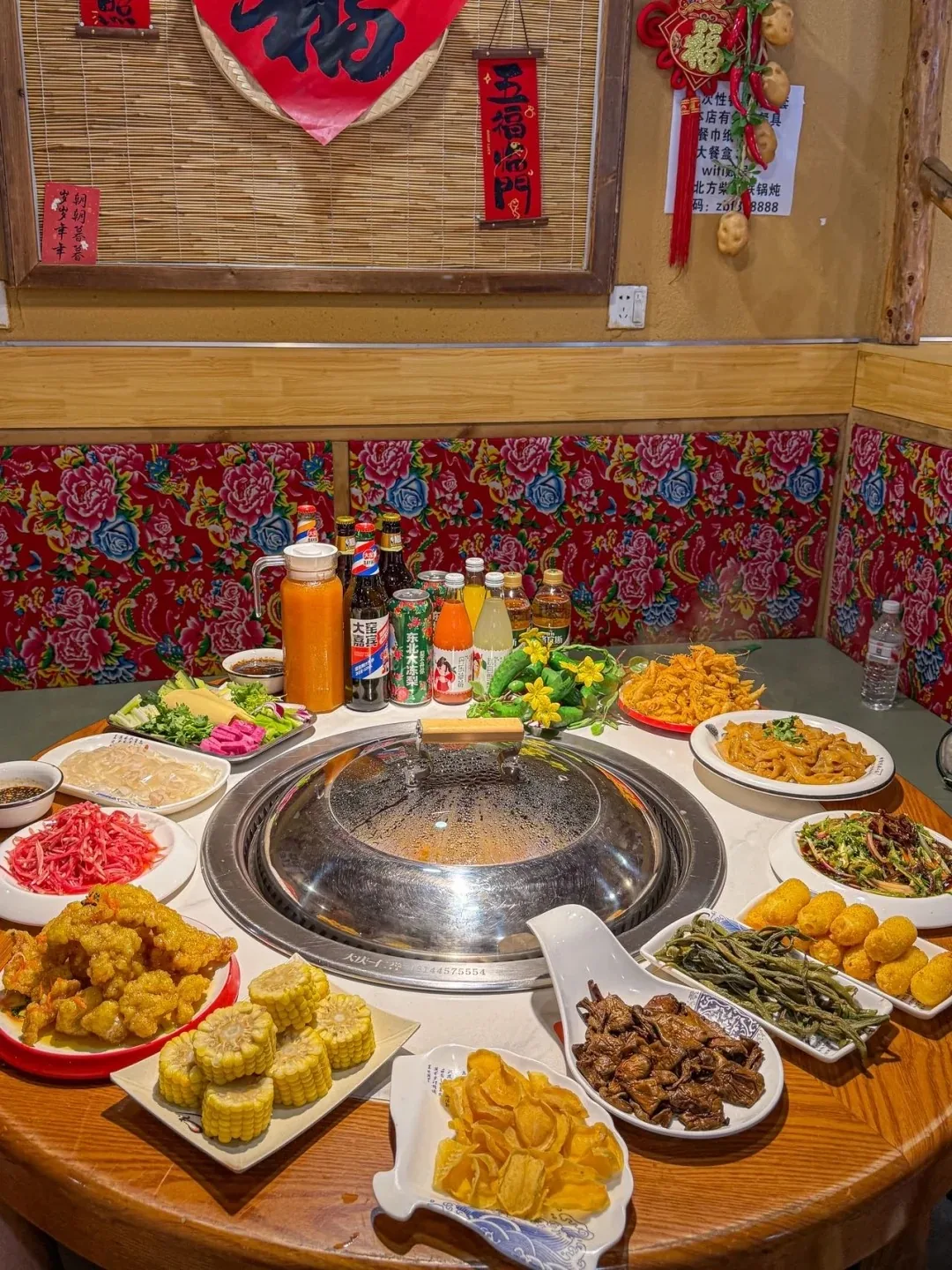
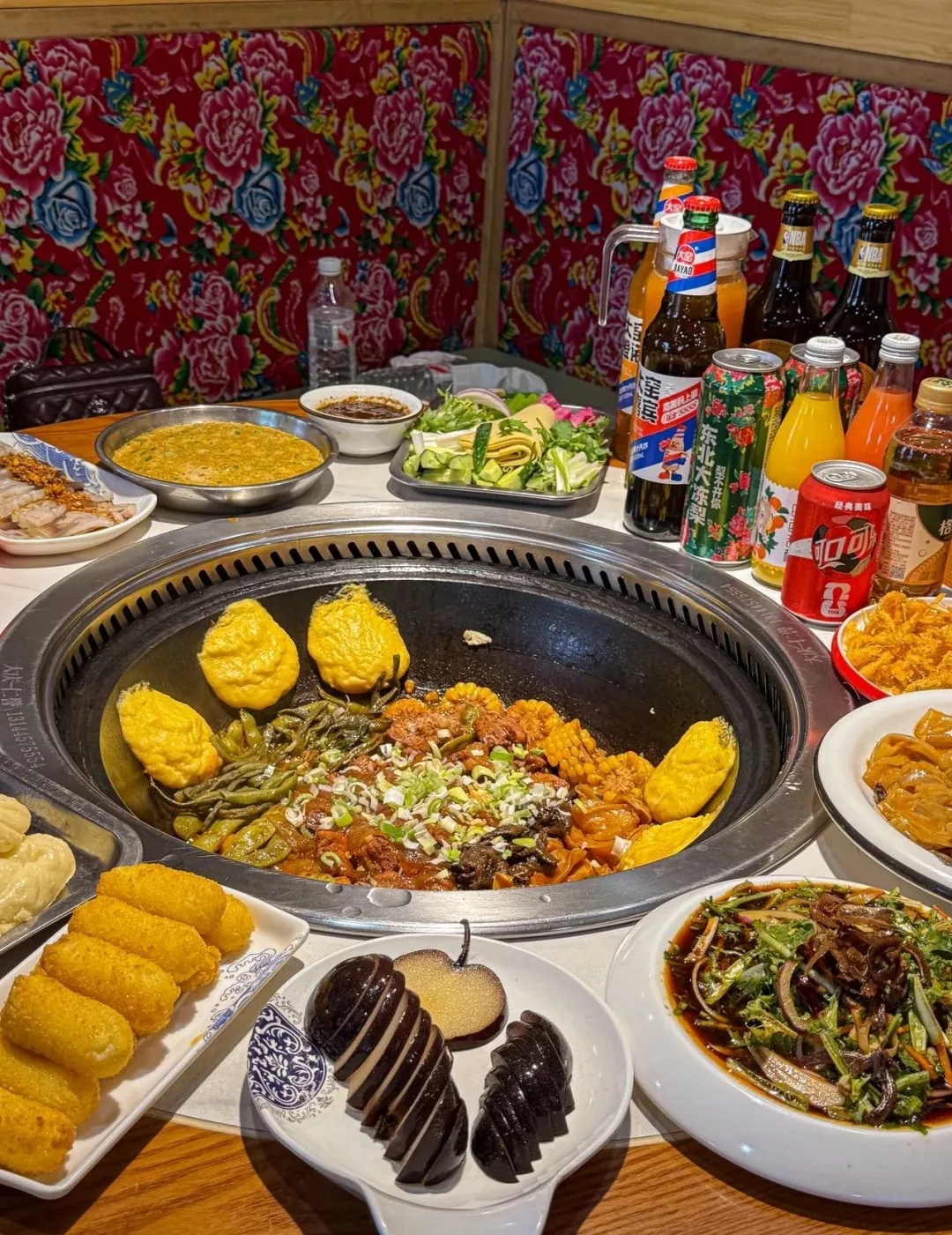
Lifting the lid releases the deep aroma of a slow-cooked stew. Long cooking carries meat flavour into the broth and lets the vegetables absorb its savoury seasoning; soft, springy and crisp textures can all appear at one table. Diners commonly share one pot, sometimes with corn cakes or small steamed rolls cooked around its edge.
Different main ingredients lead to different flavours
Harbin menus may offer pots built around goose, pork ribs, river fish or chicken. Diners describe goose as firm and richly flavoured, while long-cooked ribs become tender and pull easily from the bone. River fish varies by species and preparation, and bone-in fish requires care. Demoli-style fish stew from the Songhua River region cooks fish with tofu and glass noodles, which absorb the broth and show one local approach to river fish. Northeastern cooking also pairs chicken with wild mushrooms, but whether a Harbin chicken pot includes mushrooms depends on the menu.
Vegetables and bread add contrasting textures
Ingredients differ by restaurant. Potatoes can become soft and saturated with broth, green beans turn tender, glass noodles stay springy, and wild mushrooms remain chewy. Corn cakes or small steamed rolls may be cooked against the rim. A cornmeal cake can develop a crisp base while the side facing the pot softens with broth, bringing grain aroma into the stew.
From rural hearth to shared restaurant table
In the rural tradition of the large earth stove, the stove also served as the table and family or neighbours ate together around its iron pot. Harbin restaurants retain the shared-pot format while arranging food, seating and equipment in different ways. Some restaurants began with rural-themed interiors and later added downdraft ventilation while changing lids and presentation.
One pot is usually large
One pot is usually a large serving, and one or two people often cannot finish it.
Steam rushes out when the lid is lifted, and the rim may be hot, so keep some distance while serving.