Journey To ChinaLast updated
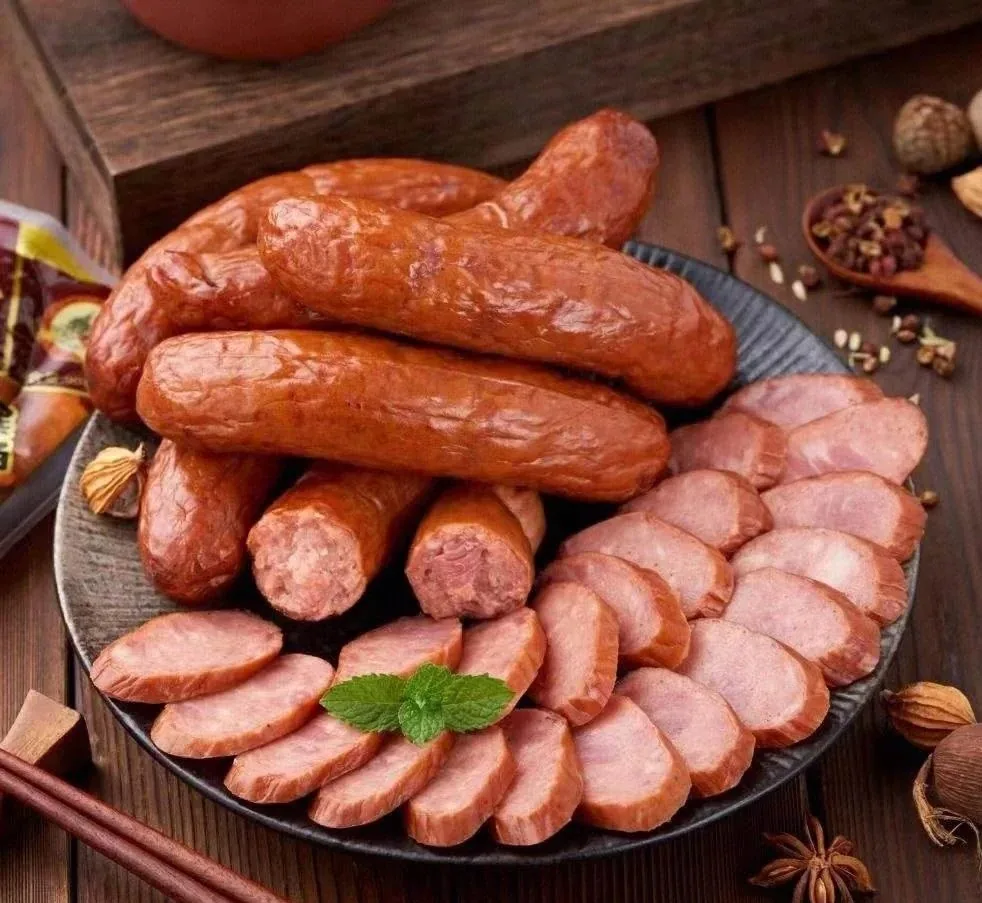
Slice open a Harbin red sausage and a firm interior appears beneath its reddish-brown casing. Smoke and meat arrive first, followed by the warmth of garlic and pepper and a dense, chewy bite. Garlic, pepper and visible pieces of fat vary among products. Once you have confirmed that a sausage is ready to eat, a slice or two reveals its flavour and can be paired with bread or another staple.
Curing, stuffing and smoking create the firm texture
One traditional lidaosi method uses lean pork, beef and spices, followed by curing, mixing, stuffing, roasting, boiling and smoking. The recorded process includes two rounds of boiling and smoking over hardwood, producing a pronounced smoke aroma, deep red colour and firm body. Recipes and processes differ among Harbin brands, so this is one traditional method rather than a universal formula; use the ingredient list for the product in hand.
Garlic and pepper vary by product
Garlic and pepper are common, but their intensity differs. Meat combinations and pieces of fat also change the cut surface and bite, and some products reduce the garlic or omit diced fat. Read ingredient and flavour labels to match your meat and seasoning preferences. Diners with specific meat restrictions can also confirm the ingredients with staff.
Railway-era sausage craft in Harbin's food culture
During construction of the Chinese Eastern Railway, European-style meat products arrived in Harbin with new residents and food traditions. Local production and adaptation gradually made them part of the city's cooked-food culture. Harbin's early European-style sausage production dates to around 1900; Harbin Meat United Processing began a sausage production line in 1918, documenting a later stage of commercial production. Alongside bread and beer, red sausage entered Harbin's food memory and reflects the meeting of several culinary traditions in daily life.
Sliced at the counter or packed to carry
When a shop offers sliced sausage, confirm that the product is ready to eat before tasting its smoke and garlic notes. Packaged versions are easier to carry as travel food or a gift. Follow the specific label for serving method, ingredients and storage; ask staff about unpackaged products, and rely on the product marking for storage conditions and shelf life.