Journey To ChinaLast updated
Guobaorou begins with the vinegar aroma rising from the hot plate. Pork tenderloin is sliced, coated in a water-and-starch batter and fried twice to form a crisp shell. A sweet-and-sour sauce is tossed through just before serving. Eaten hot, the shell stays crisp around tender pork; as the dish rests, the coating gradually softens in the sauce.
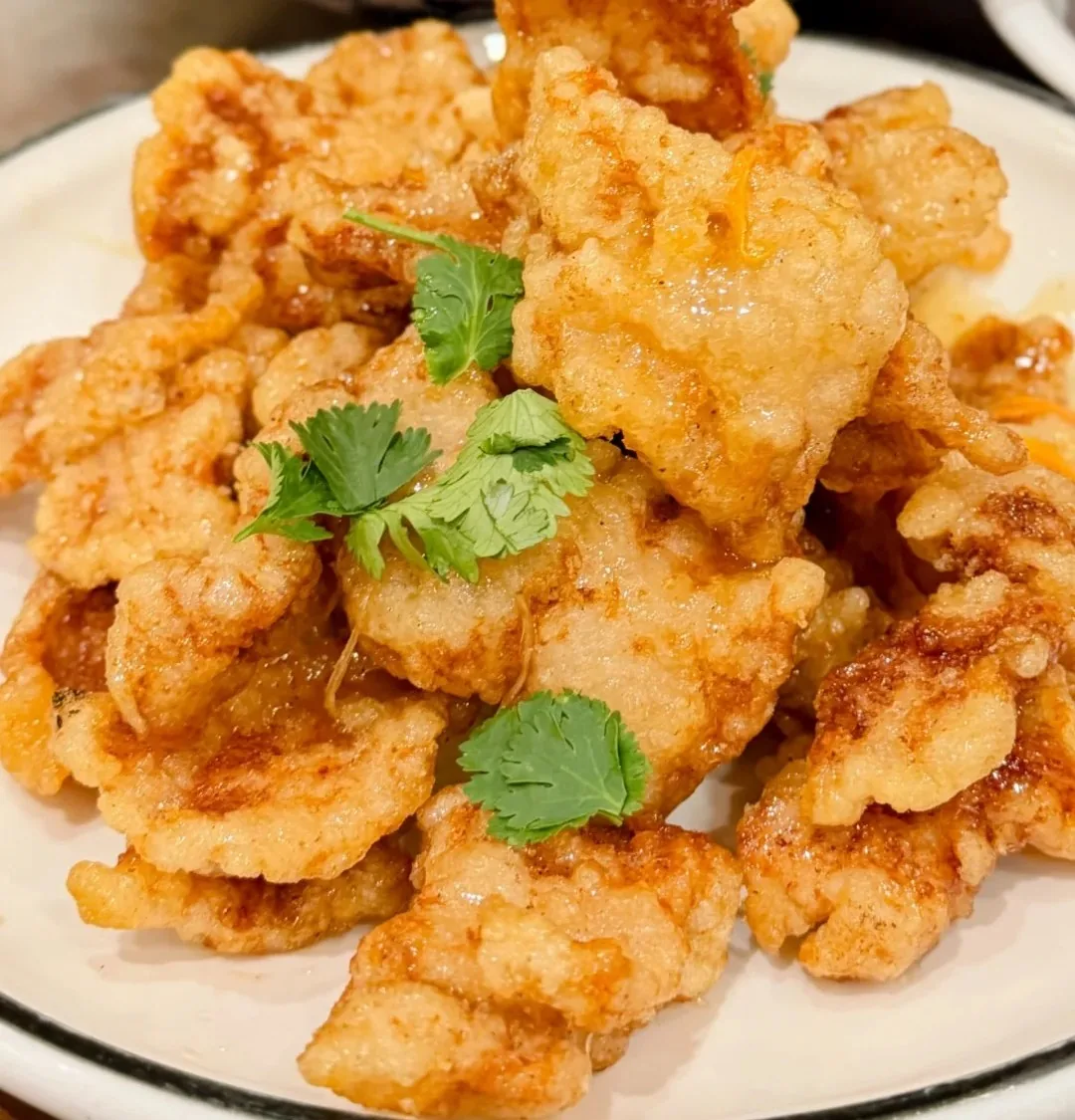
A quick sauce toss creates Harbin's vinegar aroma
Harbin cooks use the term pengzhi for adding the sweet-and-sour sauce to the hot wok just before the dish leaves the kitchen, releasing the vinegar aroma in the steam. In one method described by inheritor Zheng Shuguo, battered tenderloin is fried twice. Shredded scallion, ginger and carrot perfume the wok; sugar, white vinegar, a little soy sauce and salt are heated until bubbling, then the pork is tossed through quickly. This is one inherited method. Sweetness, acidity and aromatics vary by restaurant.
Tomato-based versions appeared as guobaorou spread beyond Harbin and have a different sweet, tart and tomato-led flavour. In Harbin, the menu description or the restaurant can clarify which style of sauce is used.
The Zheng family's account of the Daotai residence
The Zheng family's inherited account traces guobaorou to the late-Qing Binjiang Customs Daotai residence. Zheng Xingwen, a cook at the residence, is said to have changed a savoury fried-pork dish into a sweet-and-sour one. The same tradition records changes from early fruit garnishes to later scallion, ginger, garlic and carrot, as well as the name's evolution from guobaorou written with a character meaning “exploded” to its present form. It is a family account of the dish's local history and helps explain how its sweet-and-sour flavour entered Harbin's food memory.
Full restaurant plates and street portions
Restaurants commonly serve a full plate for sharing, while smaller street portions can be found around Central Street. Portion size and the number of slices vary. Taste it promptly if you want the coating at its crispest, and ask whether a street portion is freshly cooked.
Common Harbin inherited styles use pork tenderloin. Diners with meat restrictions should confirm the meat and other ingredients with the restaurant.