
Journey To ChinaLast updated
Siberian Tiger Park guide
See the tigers from a vehicle and on foot
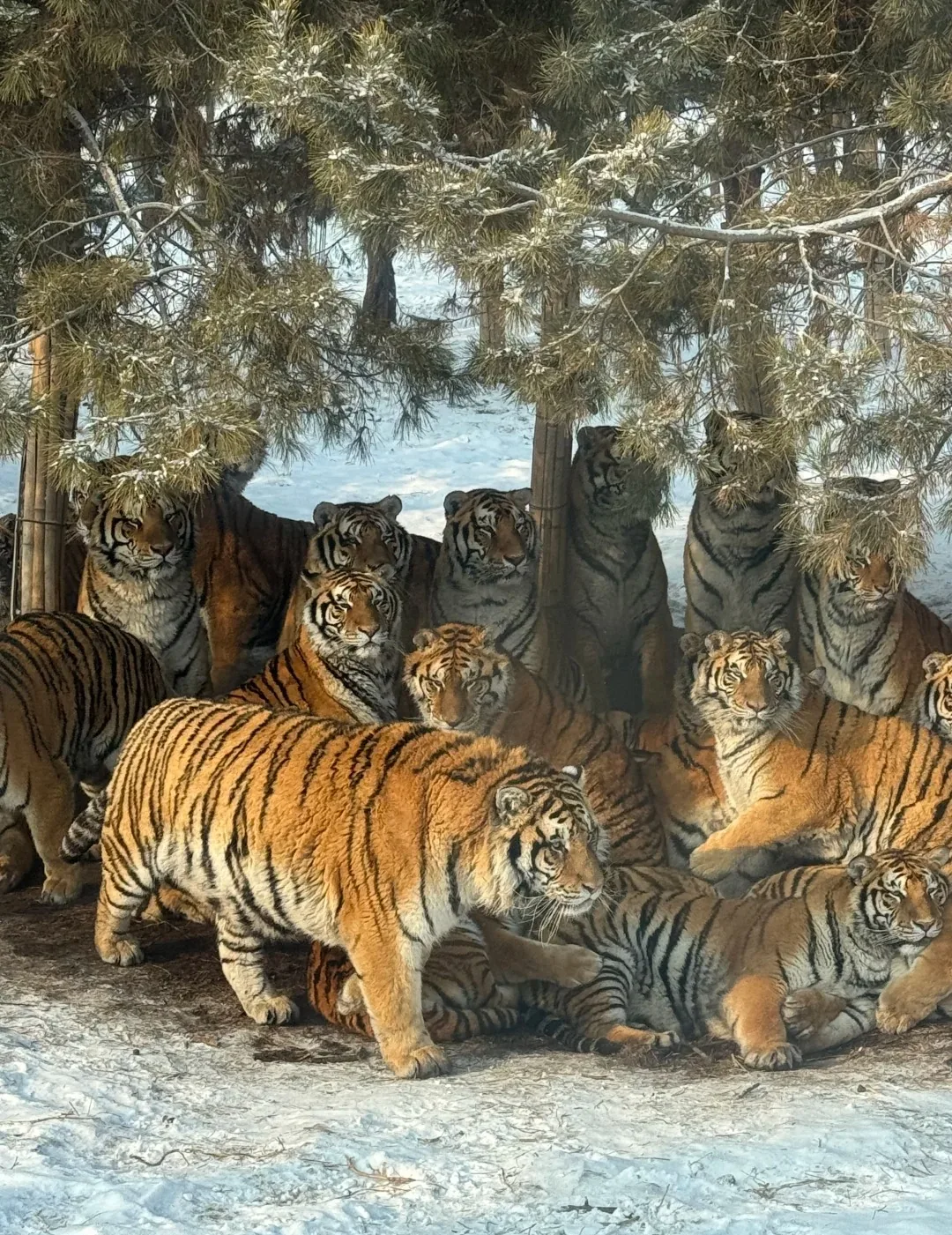
Siberian Tiger Park lies north of the Songhua River. Its visitor route begins with a sightseeing vehicle through a spacious tiger area. From the vehicle, visitors may see adult tigers moving through grass, trees, water or snow; distance and sightings vary with the animals' behaviour on the day. The size of this area is part of the experience, not a guarantee that a tiger will approach the window.
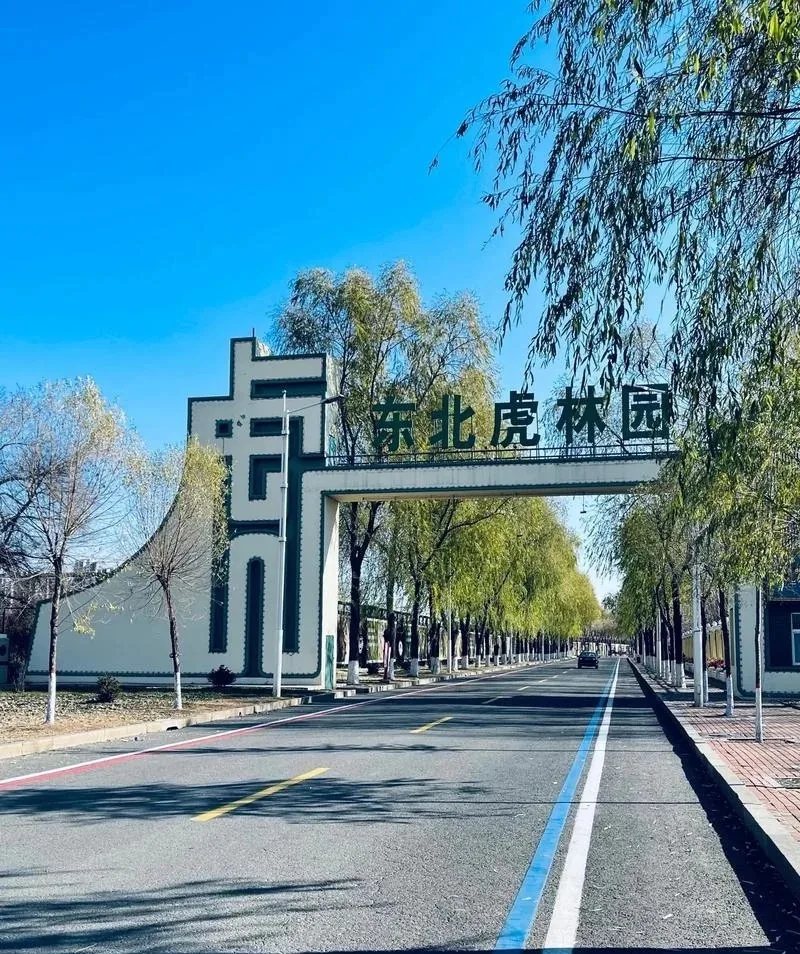
The walking tiger-viewing corridor and platforms offer steadier places to observe individual animals, their movement and coat patterns. The park also has a cub ecology hall and educational displays. These spaces connect adult tigers, cub development and conservation, although their opening and the animals visible in them vary.
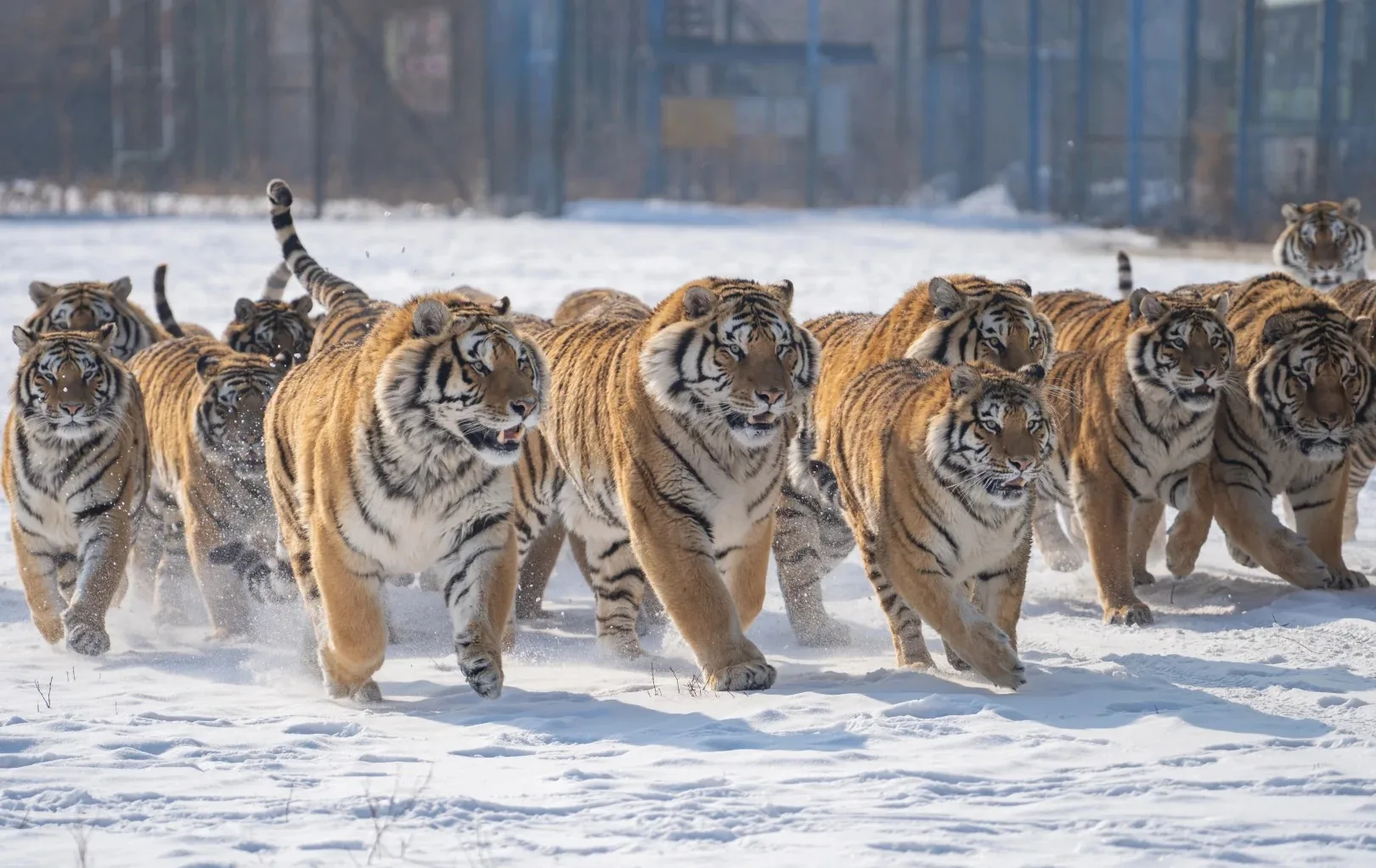
Feeding and interpretation are different kinds of activity
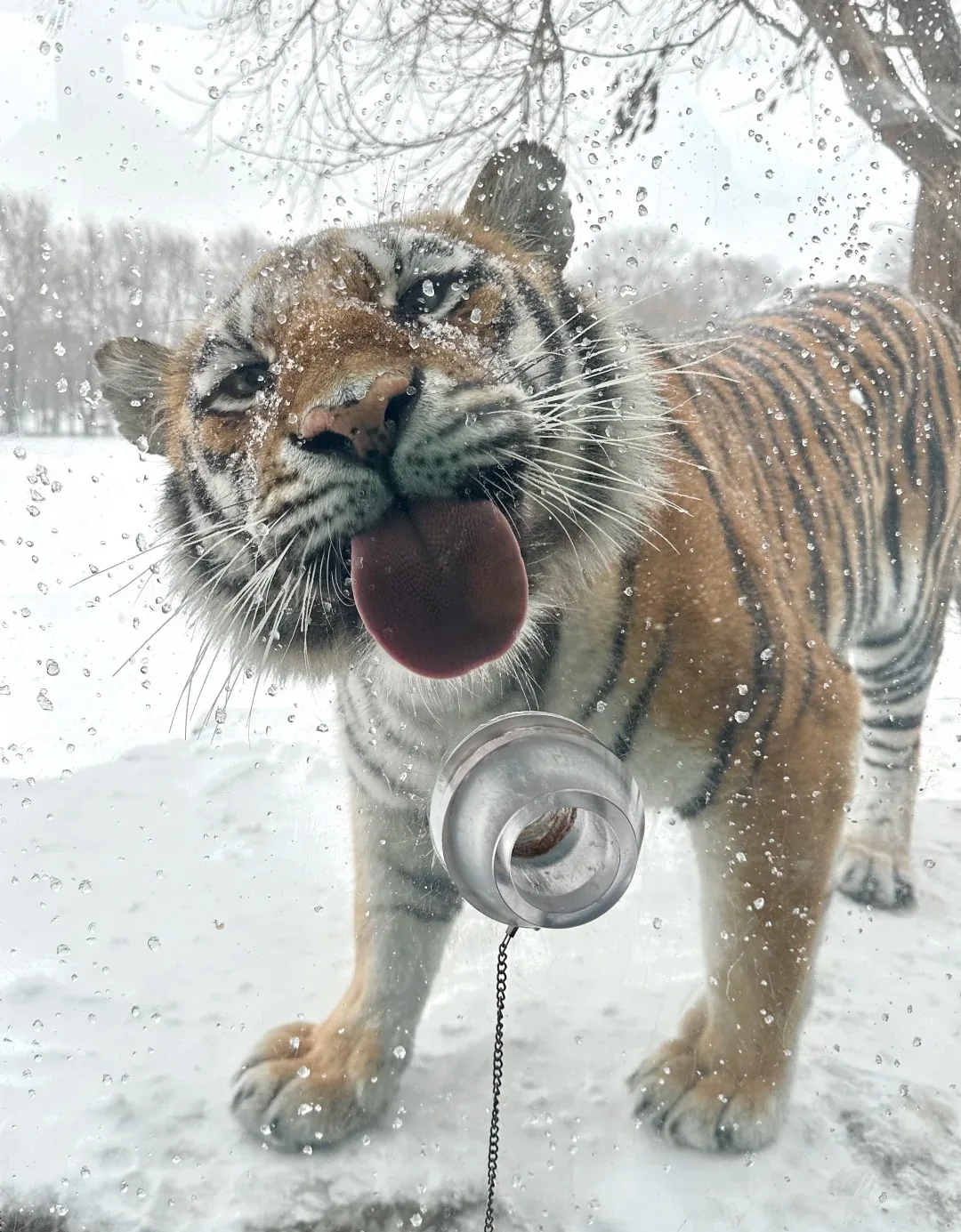
Sightseeing vehicles have designated feeding openings. If feeding is offered, participation follows the staff's rules. Talks, signs and behaviour displays offer another way to understand the animals' ecology and the park's work. The park has also presented wild-training activities in recent years; availability varies. Visitor feeding from a vehicle and training designed to develop hunting ability are separate activities.
The visitor spaces belong to a wider conservation programme
Established in 1996, the park is a breeding and conservation centre for Siberian tigers. Its work includes cub care, managed breeding and training intended to support the skills adults would need in the wild. Genetic information helps guide breeding decisions. Exhibits and interpretation make parts of this work visible, while the vehicle and walking routes remain the main ways to see the animals. Confirm the day's open areas, vehicle departures and last service before visiting.