
Journey To ChinaLast updated
Central Street (Zhongyang Dajie) guide
A walk through Harbin's open-air architectural streetscape
Central Street works as both a shopping street and a walk through Harbin's older city centre. Its distinctive stone paving links a continuous sequence of shops, restaurants and historic buildings. The avenue opens northward at the Flood Control Monument square and the Songhua River, where the enclosed street view gives way to a broad riverfront.
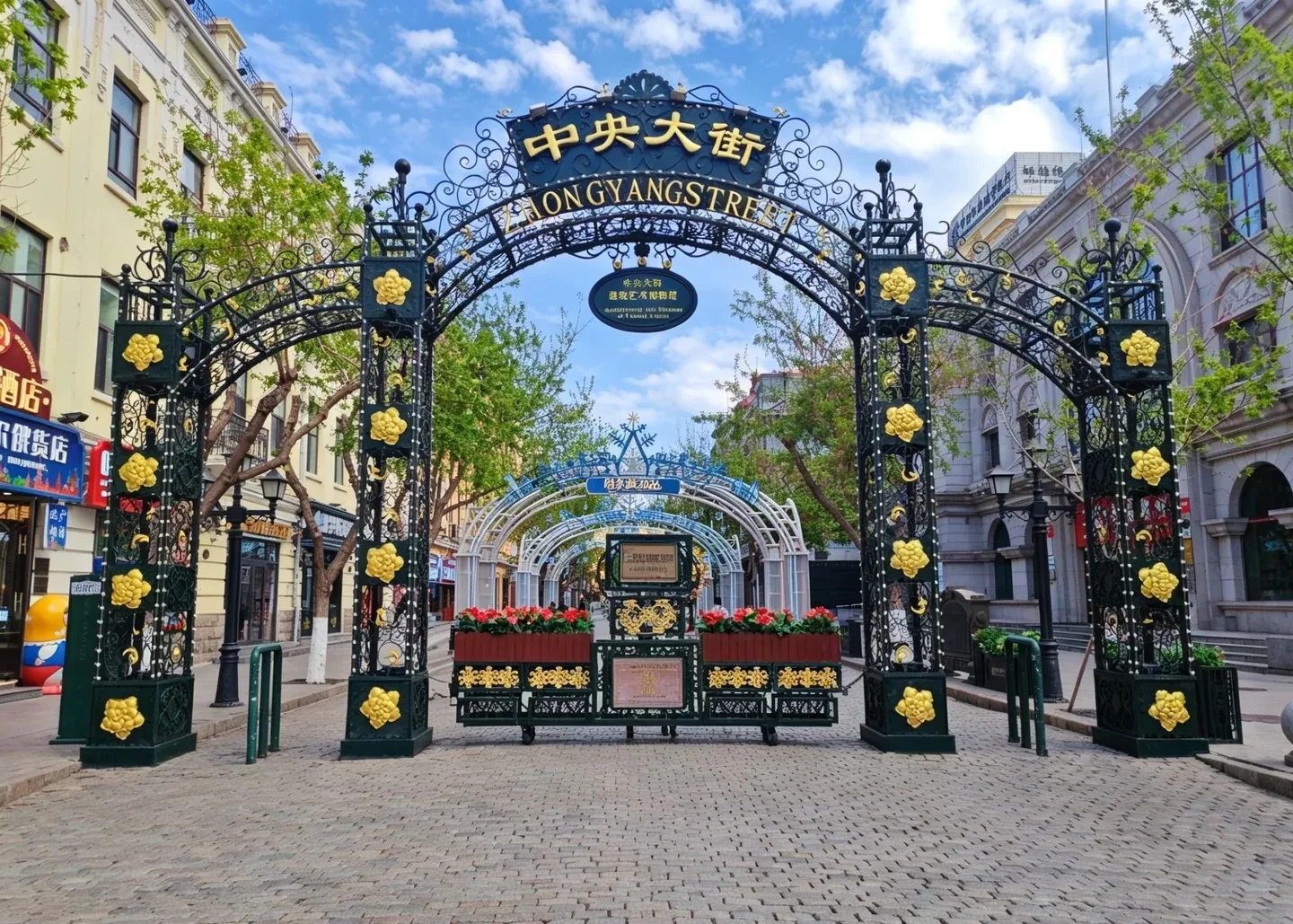
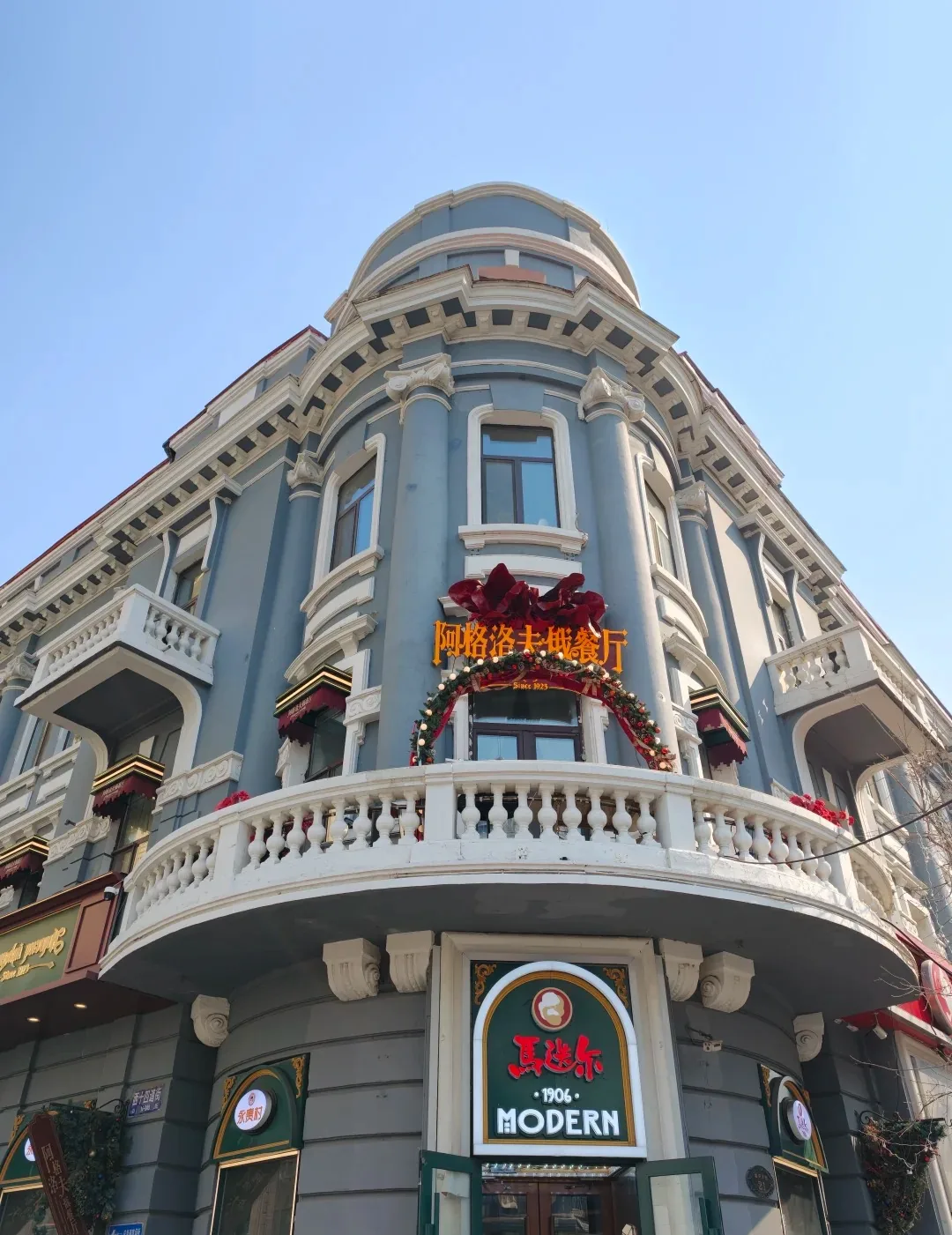
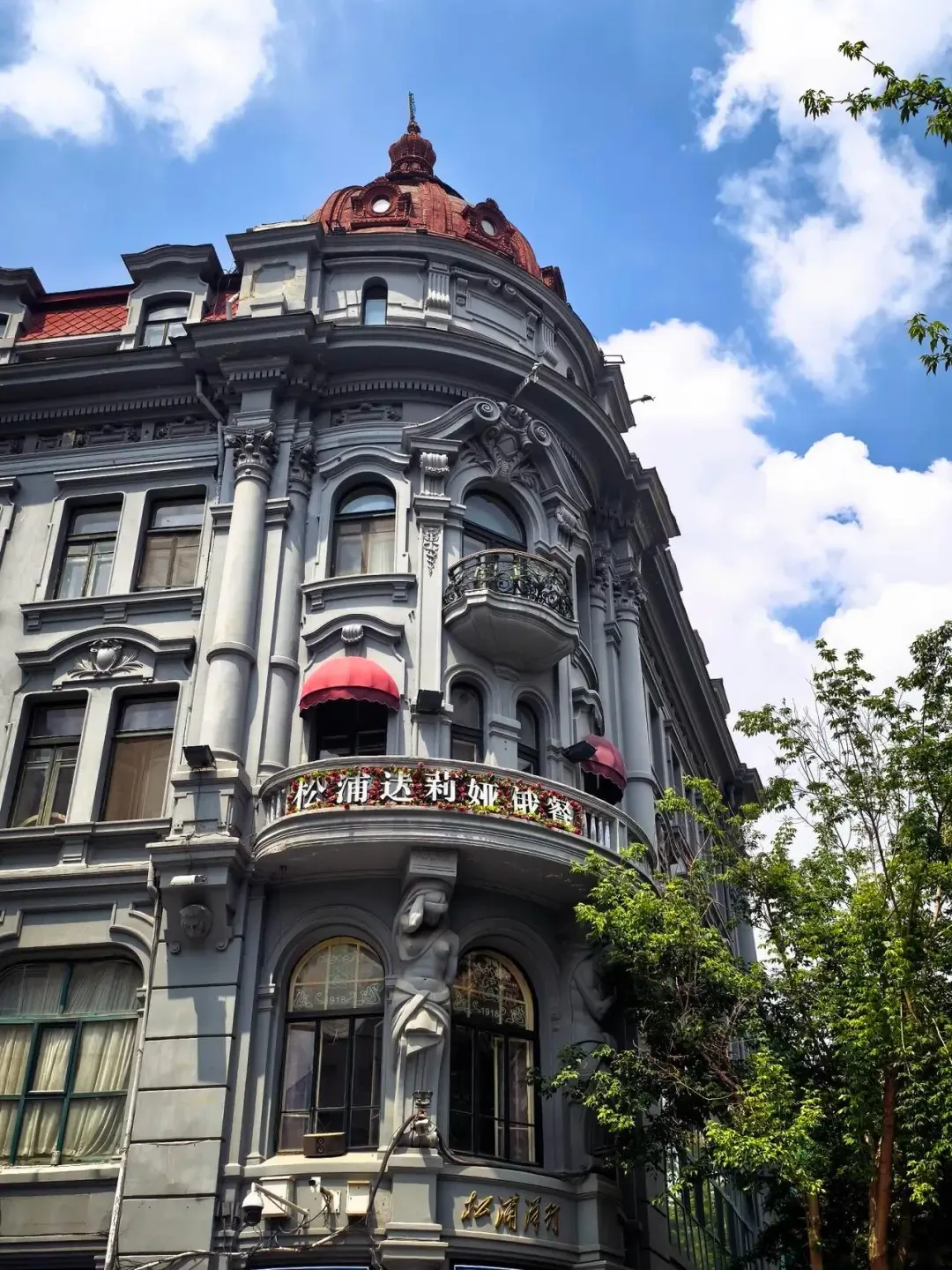
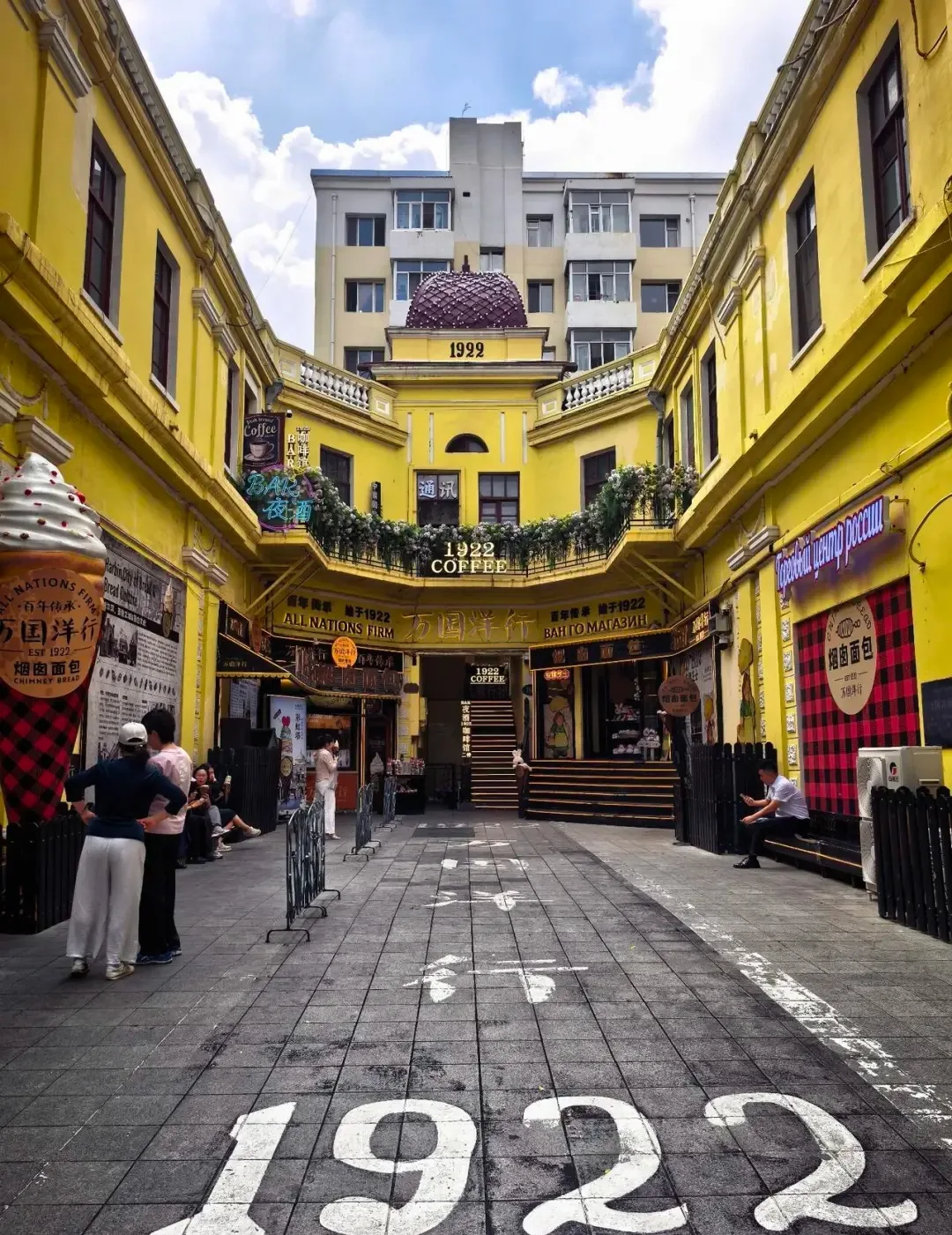
Look beyond the labels applied to the building styles. Rounded corners, pediments, balconies, columns and varied entrances change over short distances; Gothic and Baroque influences sit within a street still used for everyday commerce. Daylight makes masonry and ornament easier to read. At night, architectural lighting, cafés and occasional street music create a different atmosphere; temporary events vary by season.
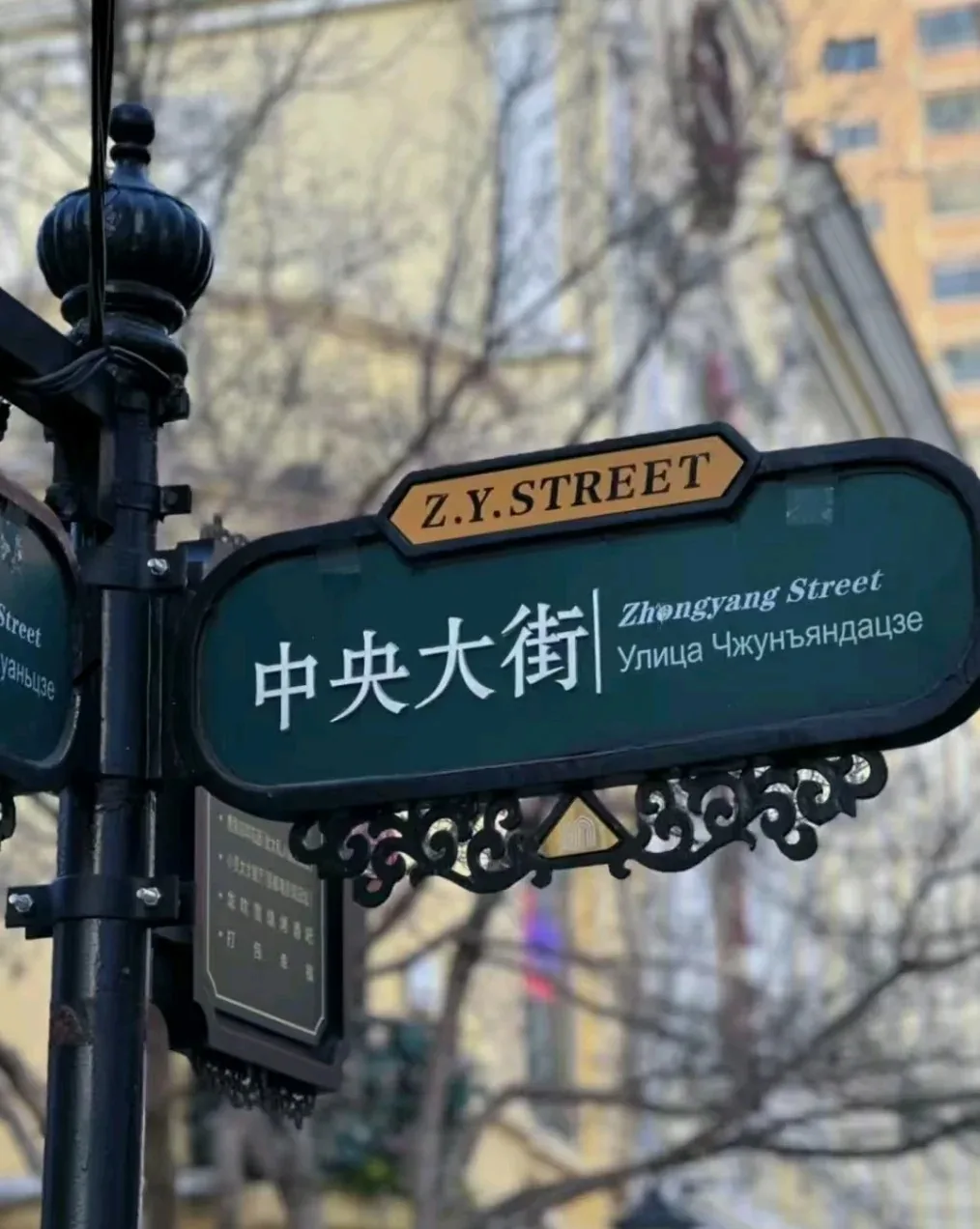
The street's signs and its northward orientation help tie individual buildings into a walkable district. Following the avenue to the river makes the change in urban scale part of the experience.
Shops, food and the riverfront belong to the same walk
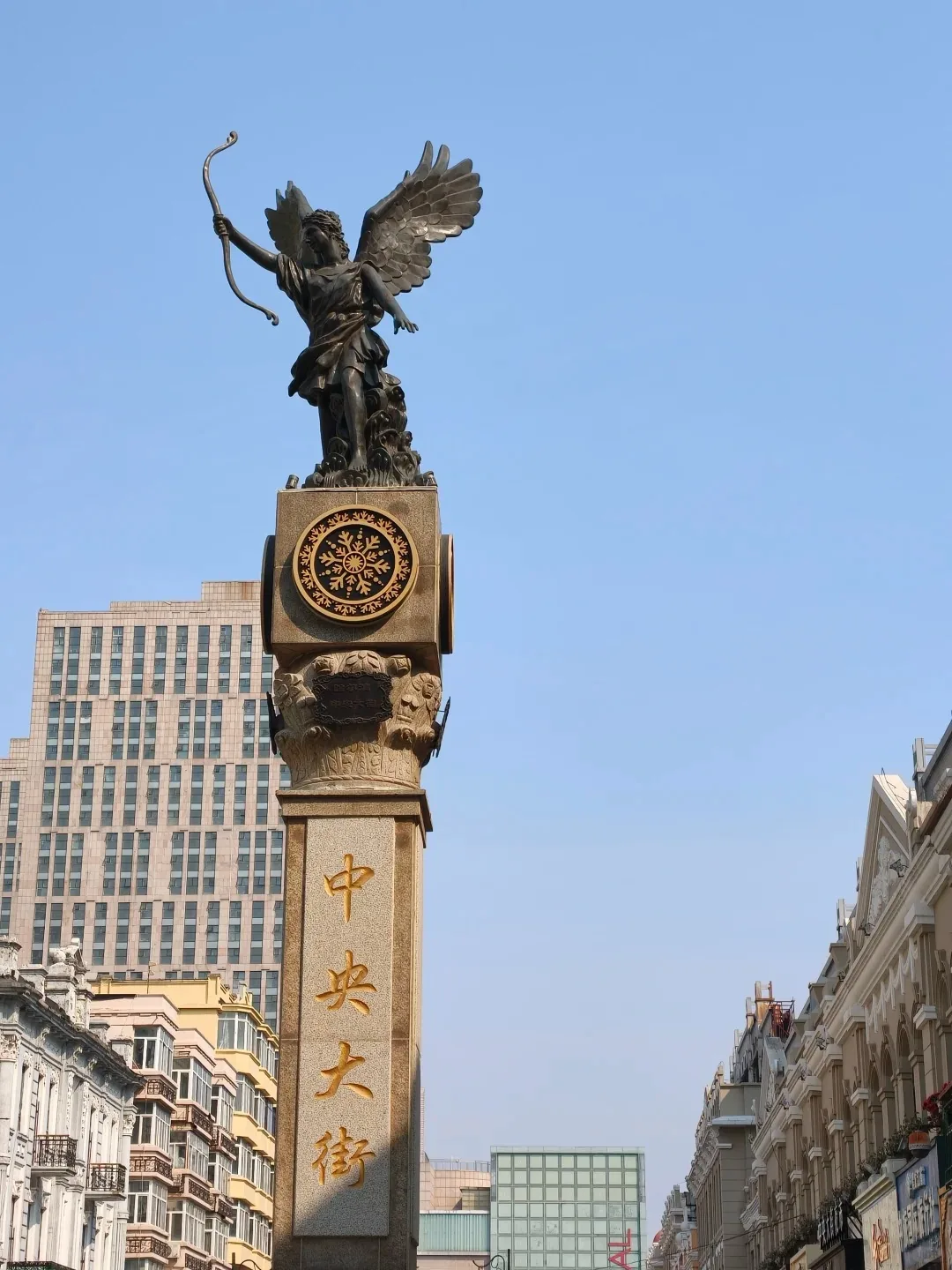
Historic frontages and newer commercial interiors coexist along the route. Stop to look at a corner façade or a former hotel entrance, then return to the flow of shops and cafés. At the northern end, the Flood Control Monument and riverfront square change the focus from architectural details to the Songhua River and open city views.
Why so many building styles meet here
The route formed during Harbin's railway-led growth. It was called Chinese Street around 1900 and Central Street from 1925; trade, hotels, banks and cultural venues filled the district through the first half of the twentieth century. The street became pedestrianised in 1997. That history explains why buildings designed for different businesses and periods line one continuous public avenue today.