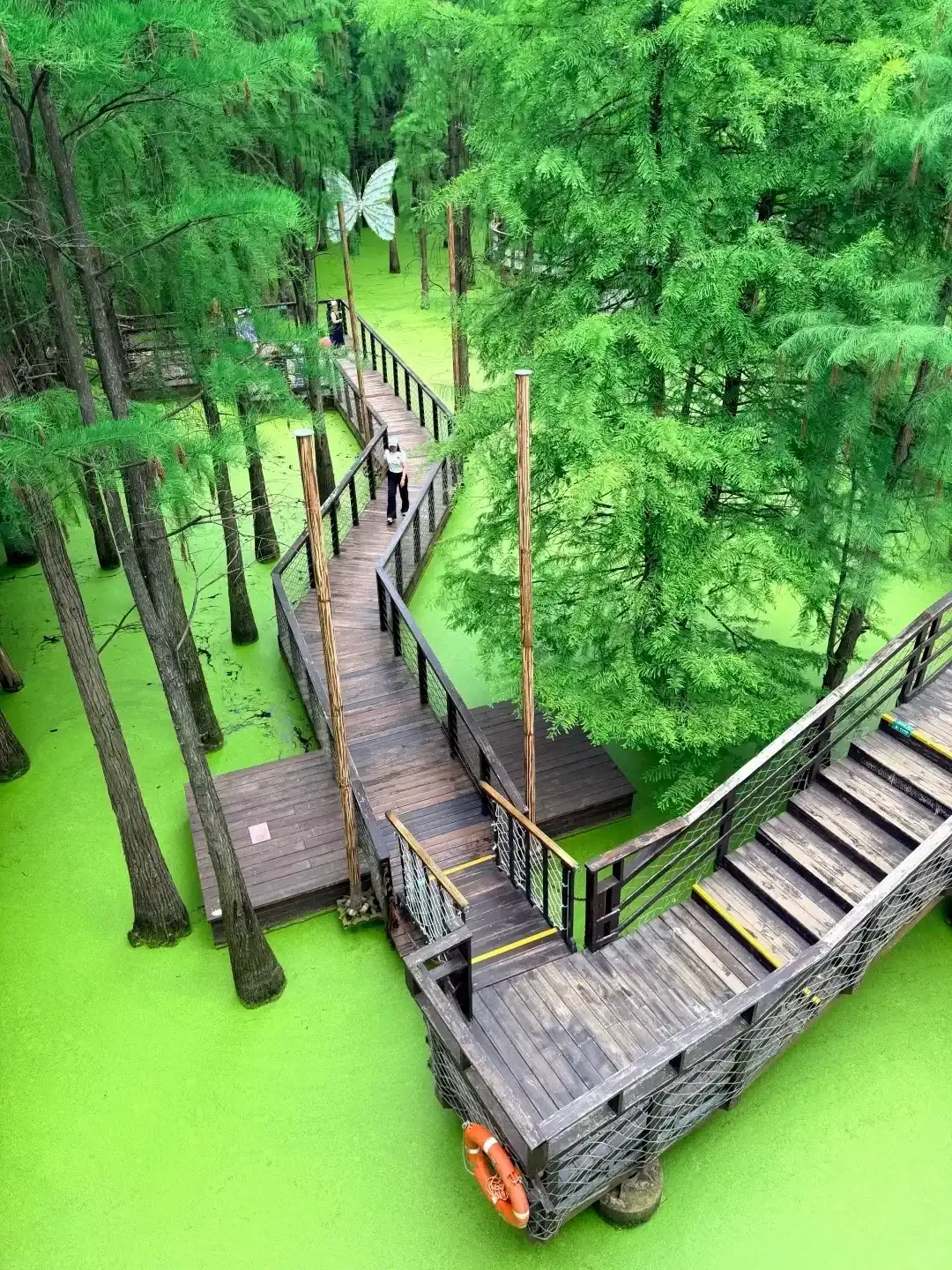

Journey To ChinaLast updated
Xixi National Wetland Park guide
Your entrance defines the route
Xixi is not a compact park with one obvious circuit. Zhoujiacun works well for the paid area and boat routes, the North Gate is near Fu Causeway and some open paths, and Hongyuan is farther west. Check the day's open areas and tickets, then use the exact entrance name in your map app.
Boats explain the water network
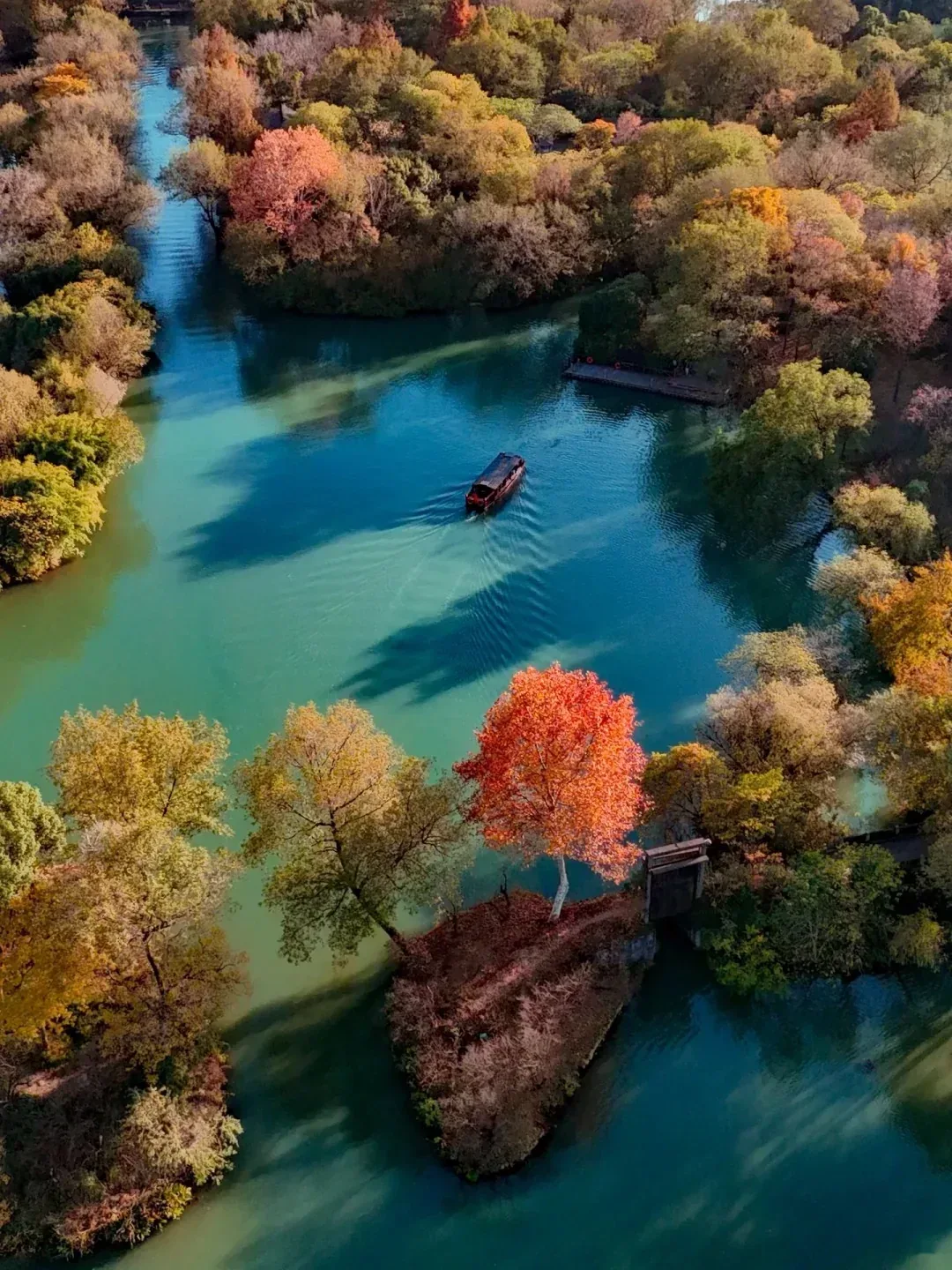
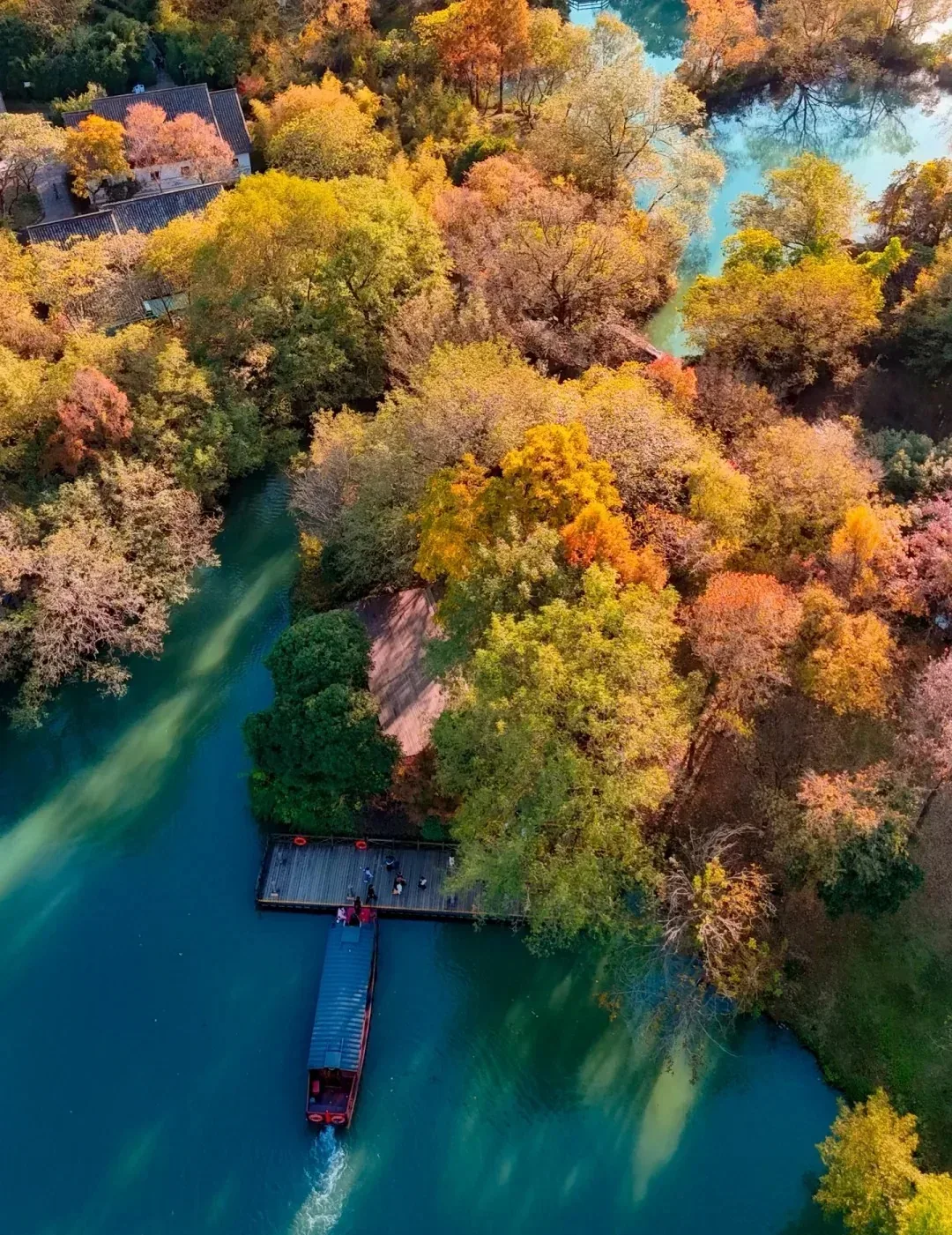
Walking reveals villages, embankments, and plants. From a boat, the channels threading between patches of land become clearer. Electric boats and hand-rowed boats have different prices, stops, and hours; a park ticket does not automatically include every service.
The ponds and embankments also preserve the outline of a working landscape. Mulberry growing, fish ponds, persimmon trees, reeds, river landings, and boat transport once linked food production with village life. That history explains why Xixi's most revealing details may be a narrow channel, a row of trees, or a small landing rather than a single monumental viewpoint.
Different districts tell different stories
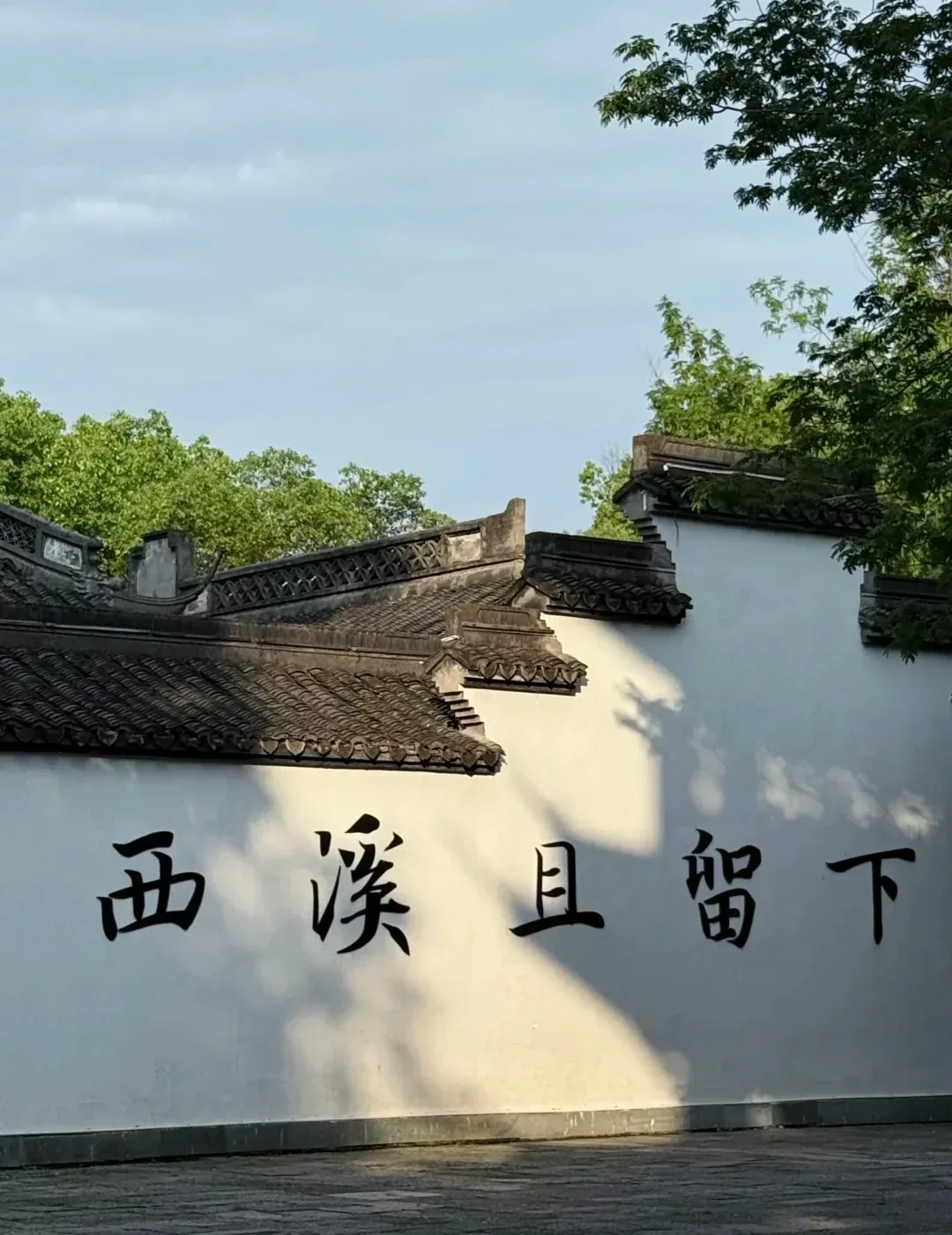
Fu Causeway links village and cultural stops, Gaozhuang preserves the courtyards, halls, ponds, and garden spaces of a Qing residence, and Hongyuan connects the western wetland with the Hong family and Wuchang traditions. Xixi's “three causeways and ten scenes” work best as a map of distinct places, not a checklist to rush through.
Dragon-boat culture grew in narrow waterways where turning, sprinting, and participation from people on the banks create a different atmosphere from racing on a broad course. Outside festival dates, landings, settlement patterns, and displays still explain how boats served both daily work and community ceremony.
Four seasons across the water network
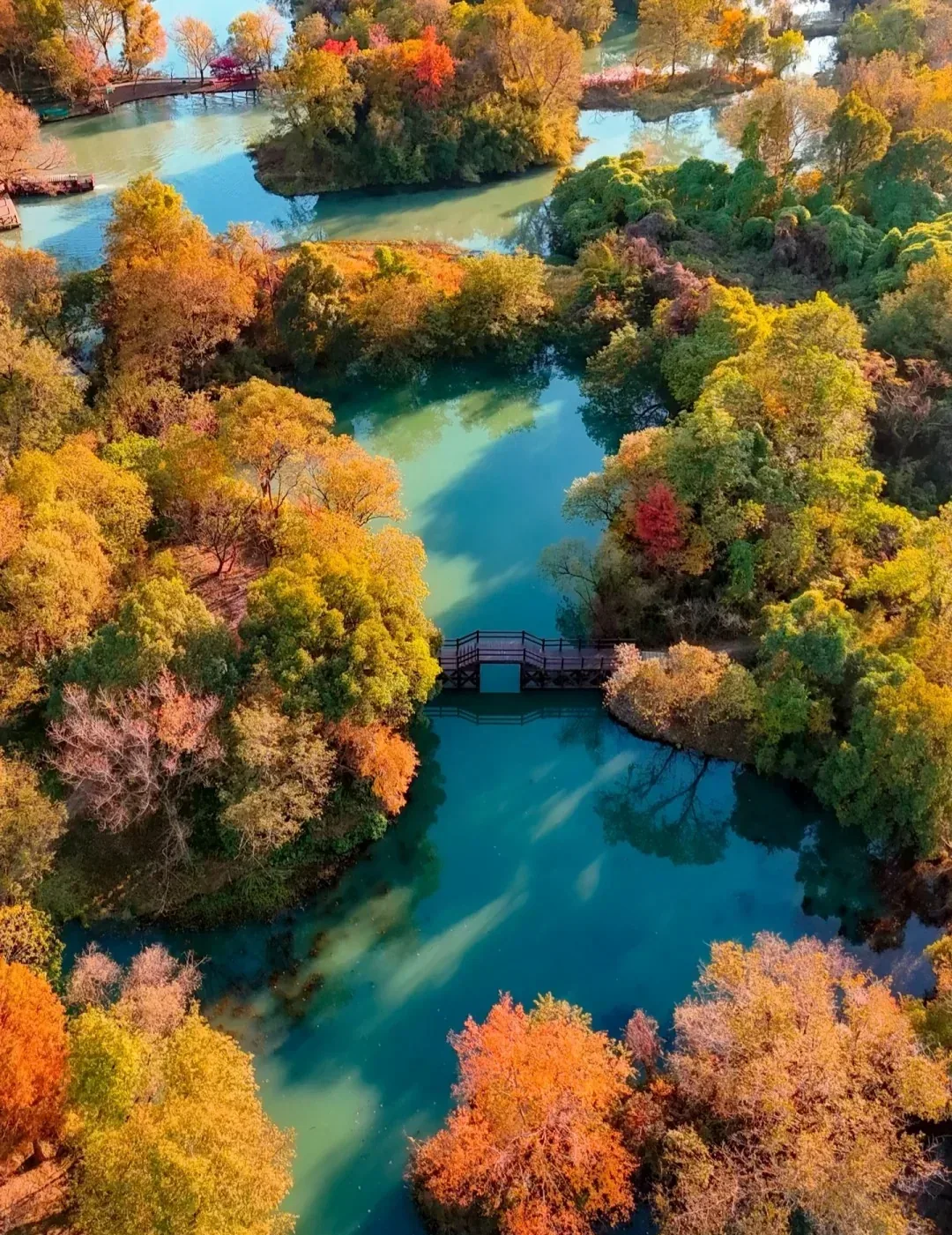
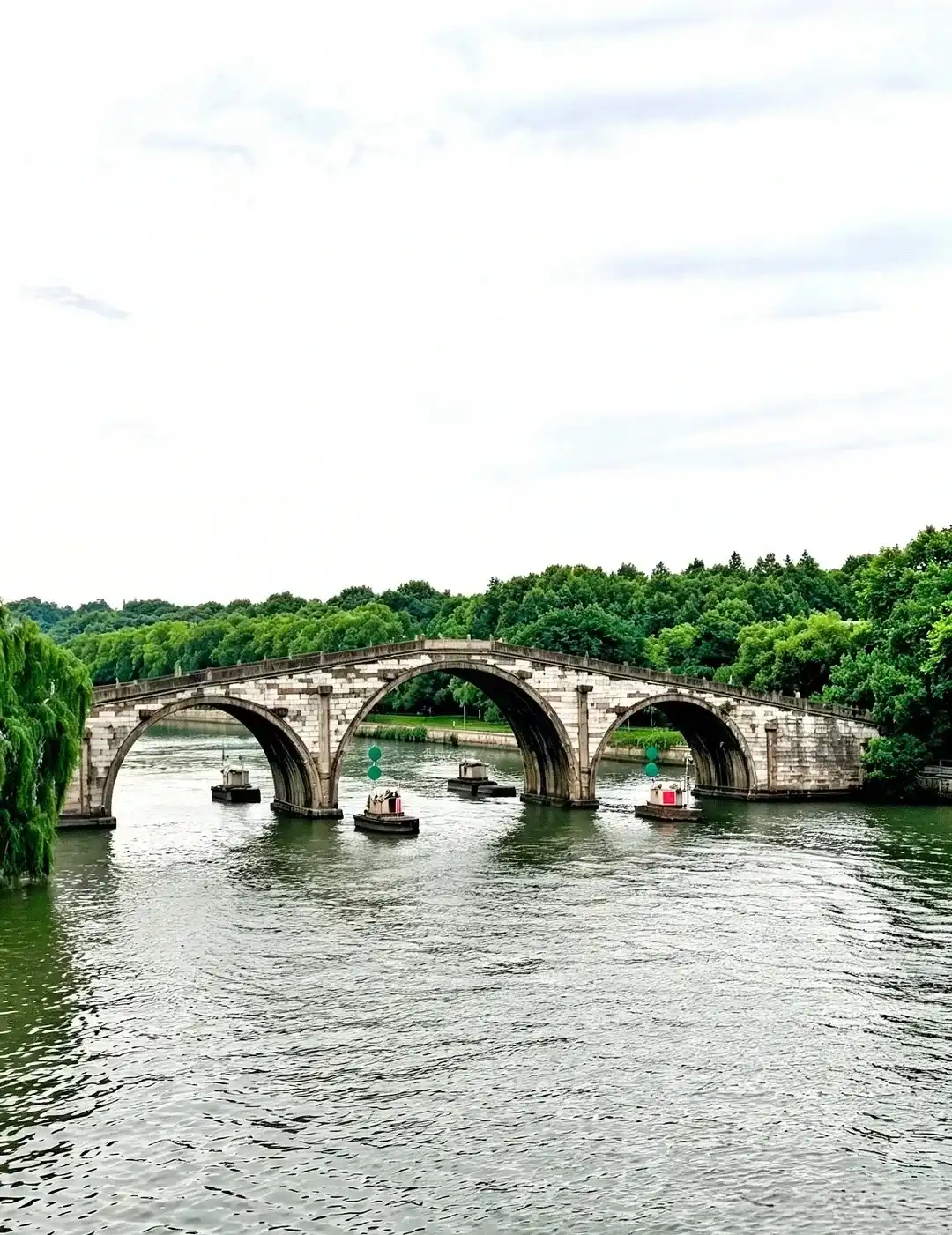
Spring and summer bring dense green banks, autumn warms the reeds and trees, and winter opens longer views through the waterways. Late-autumn boat routes are especially rewarding for layered color.