
Journey To ChinaLast updated
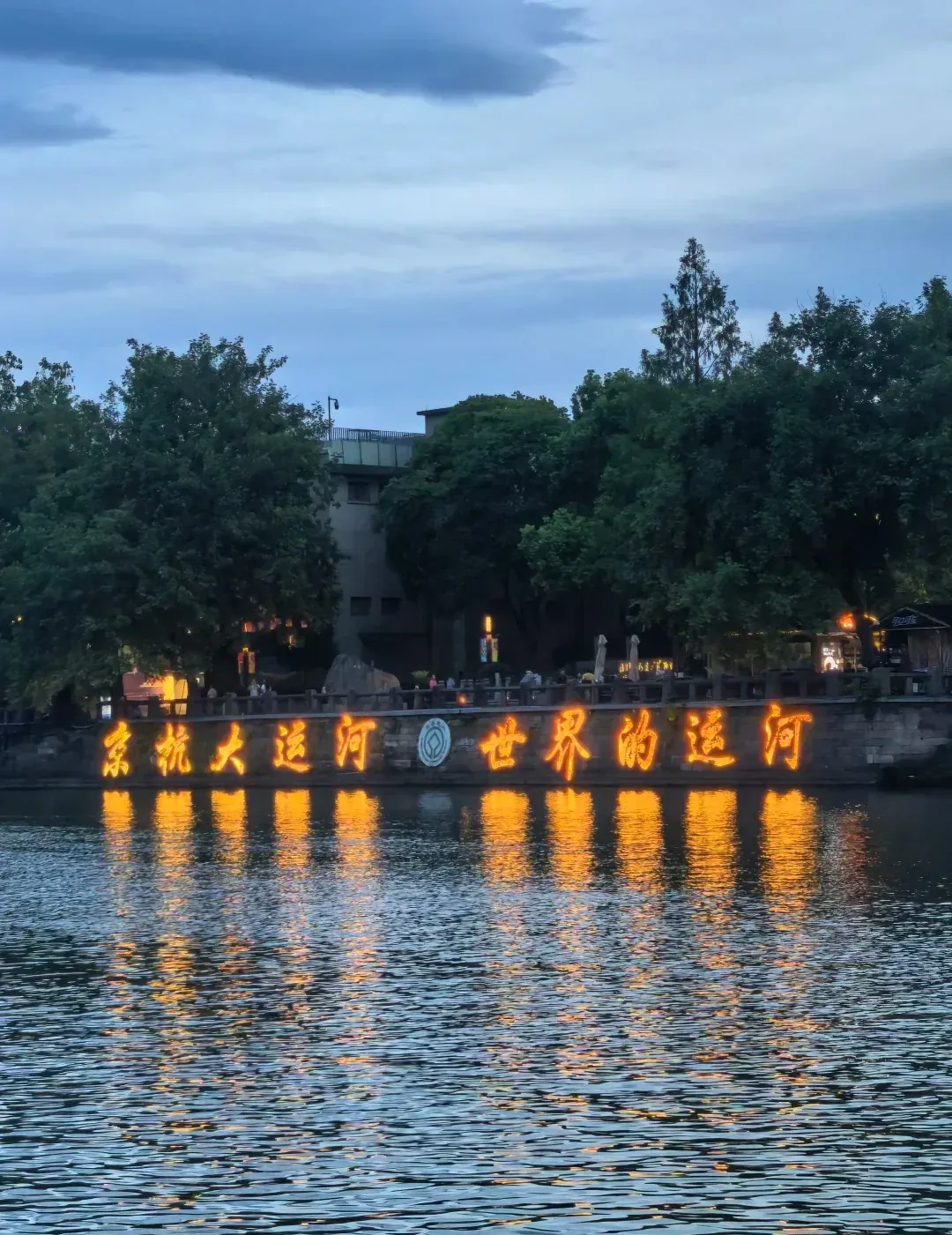
The Grand Canal in Hangzhou guide
Start at Gongchen Bridge
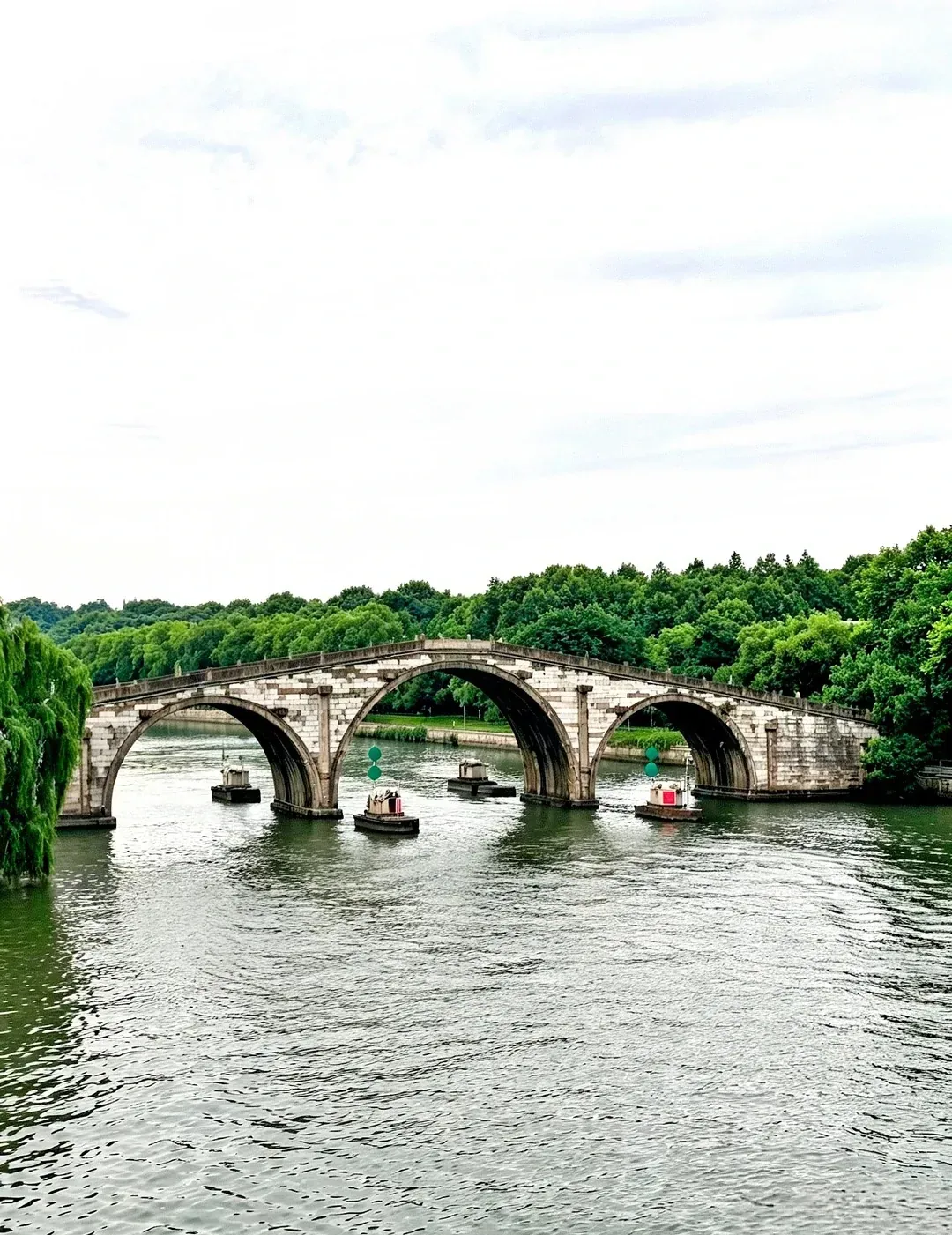
Gongchen Bridge is the clearest landmark on Hangzhou's canal section. Cargo vessels and tour boats pass below, while the Qiaoxi Historic District begins across the bridge. The bridge has slopes and steps; travelers with luggage or wheelchairs should use a nearby accessible crossing.
The present bridge dates to 1631, stretches about 98 metres, and rises in three stone arches above the working channel. Its name carries the idea of welcoming imperial guests, fitting a place that long served as Hangzhou's northern water gateway. The steep approach, high central view, and boats passing below reveal its engineering role as clearly as its symbolic one.
Qiaoxi is more than a shopping lane
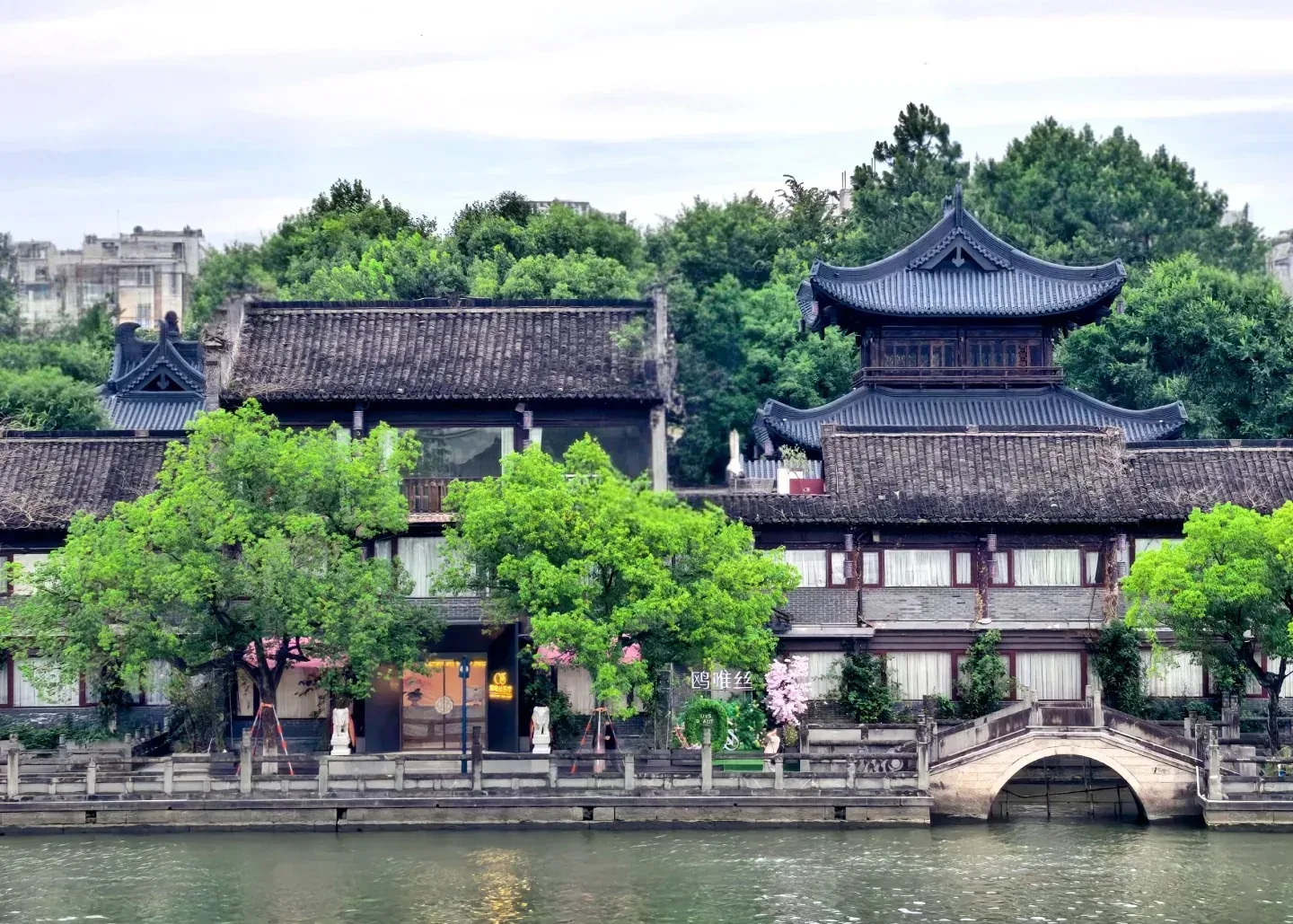
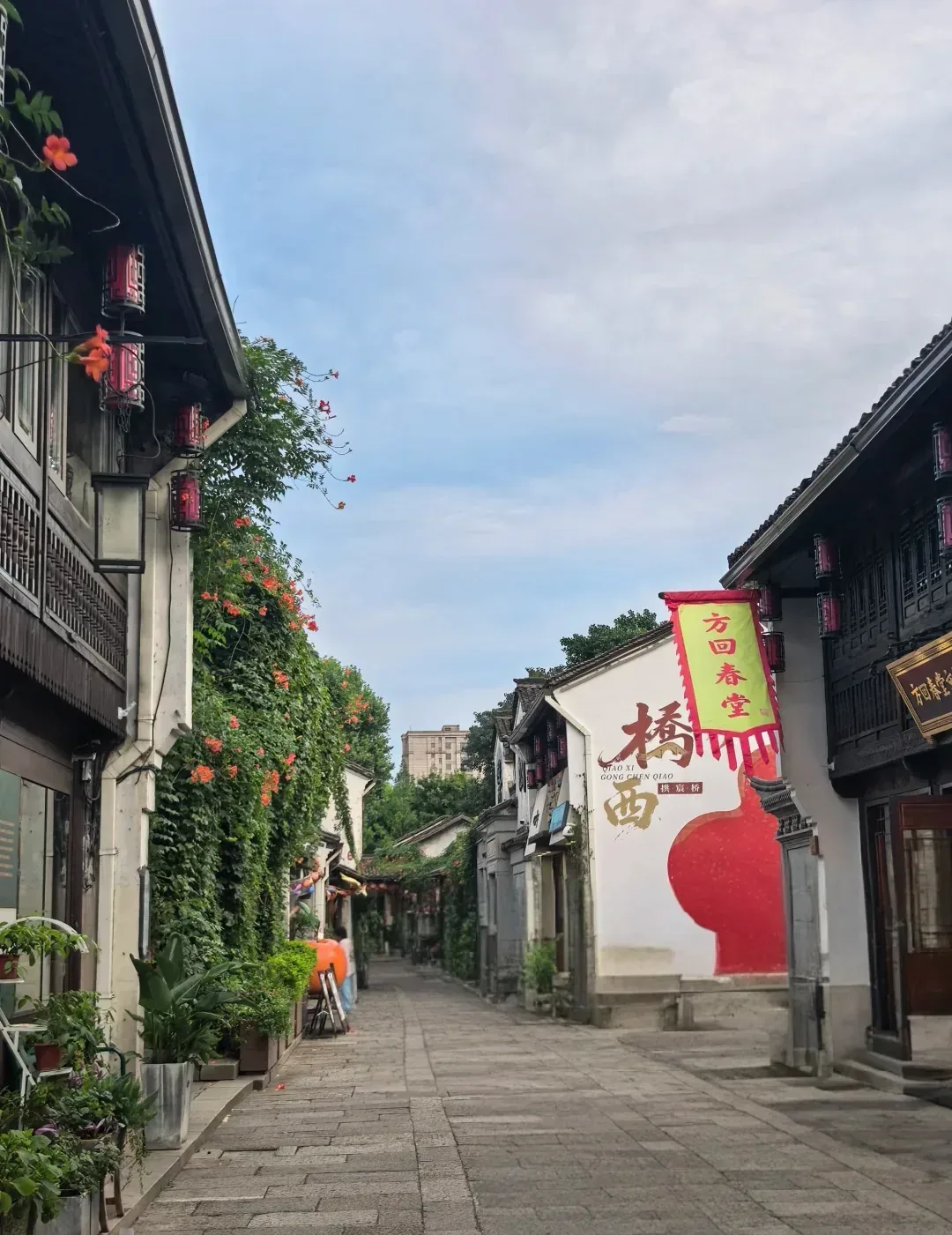
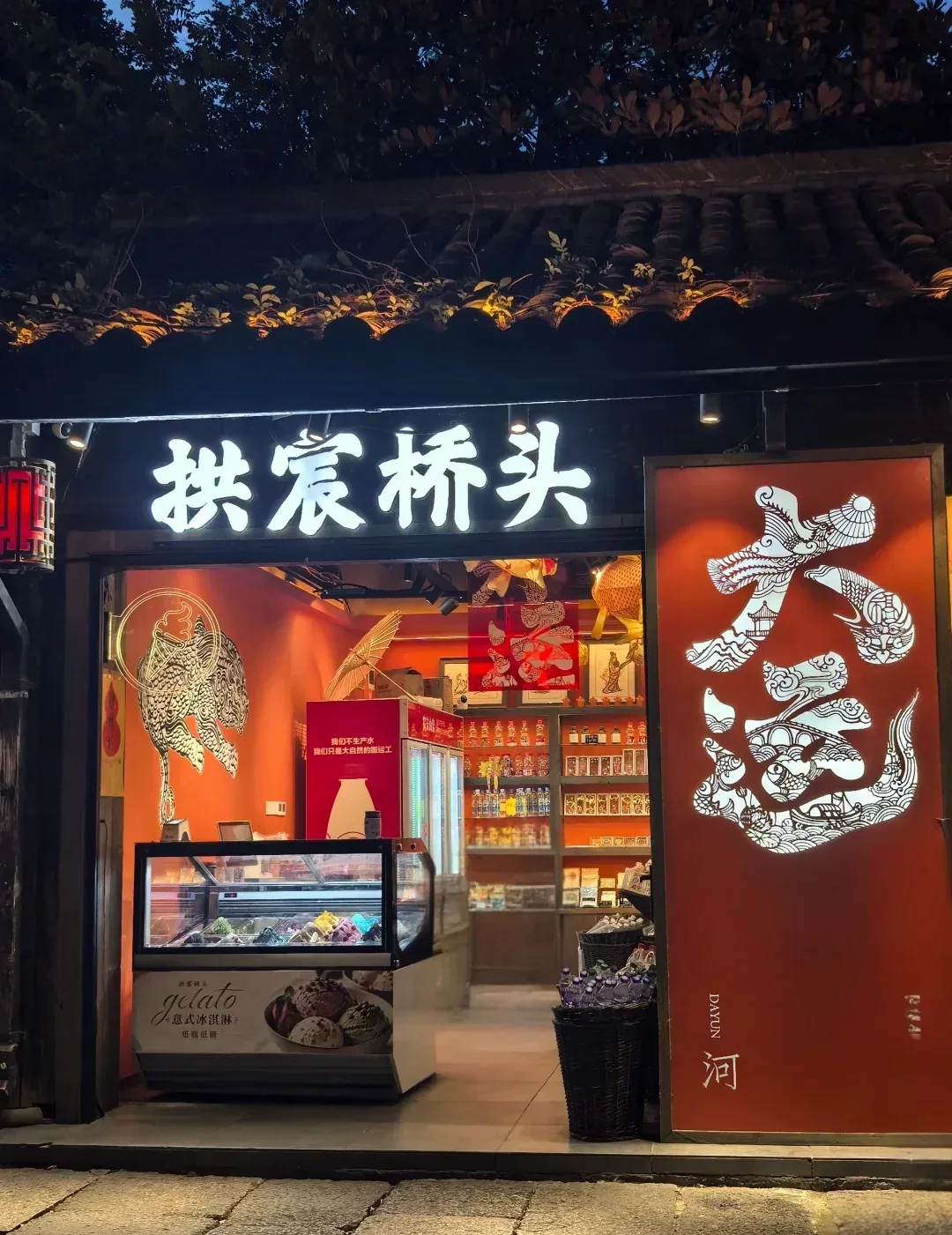
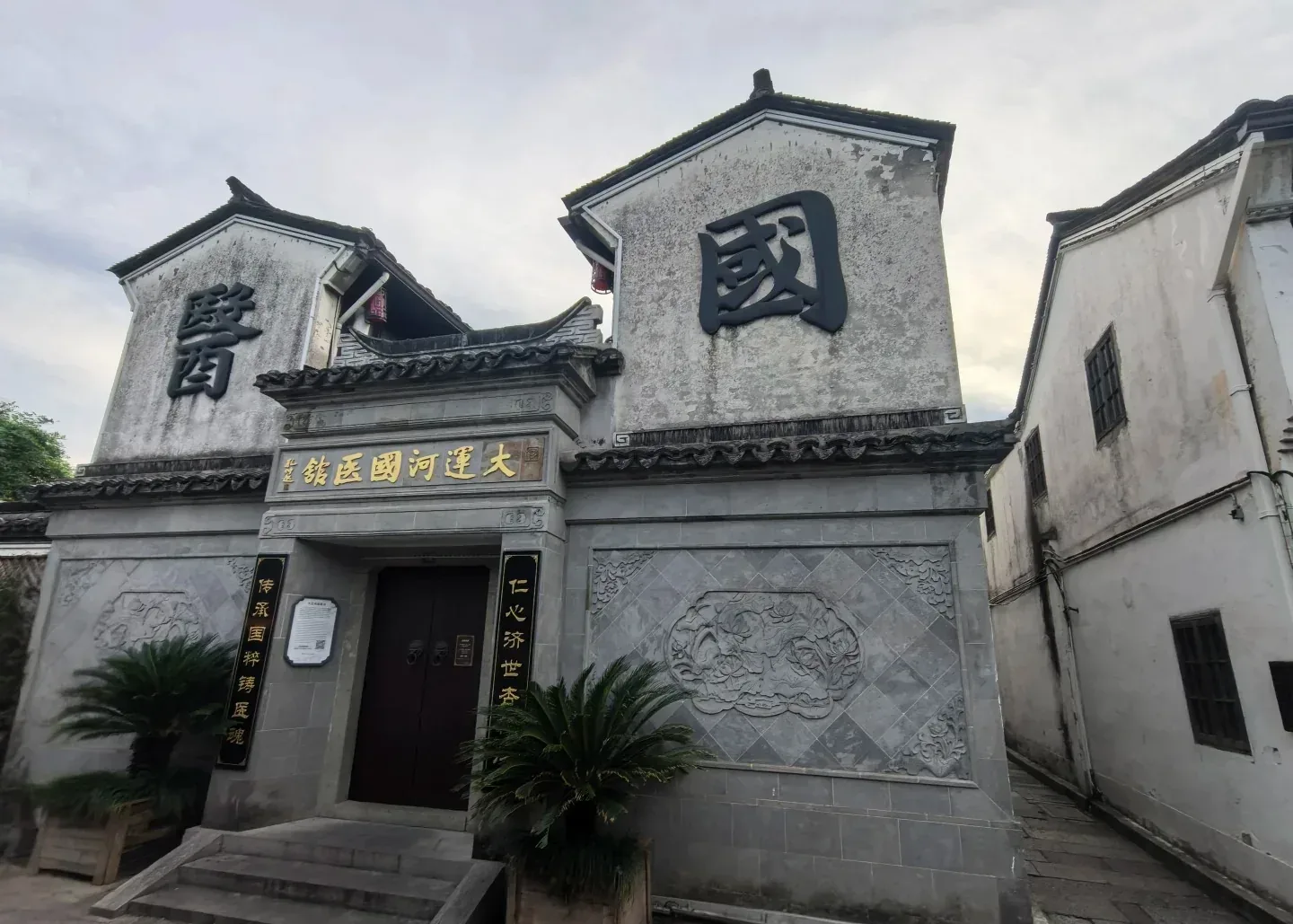
The district preserves waterside landings, lanes, traditional-medicine premises, and museums adapted from industrial buildings. Shop signs, workshops, and daily activity add a changing contemporary layer to the historic street scene.
The former Beiguan night market gathered rice, fish, paper, wine, fuel, teahouses, theatres, and restaurants around arriving cargo. After the area opened to foreign trade, factories and workers' housing added another layer. Qiaoxi Straight Street, Qiaonong Street, and lanes such as Ruyili and Tongheli preserve waterside homes, courtyard houses, workshops, warehouses, and later workers' residences; people still live here, so Qiaoxi remains an inhabited heritage district rather than a reconstructed shopping set.
Give museums and water transport their own time
Nearby museums cover arts and crafts, knives and scissors, fans, and umbrellas. Pick one or two and check opening days first. A water bus offers another view of the canal, but piers, vessel types, and timetables change, so confirm them on the day.
The local shorthand “one bridge, two streets, two temples, four lanes, five museums” is useful on the ground. Each museum opens a different material world—metalwork, bamboo and paper umbrellas, painted fans, or a broader range of crafts—while the lanes show how manufacturing and domestic life once met beside the water.