Journey To ChinaLast updated
Pounding turns rice grains into one elastic mass
Traditional ciba begins with soaked glutinous rice steamed until tender. While hot, it is pounded repeatedly in a stone or wooden mortar until the grains disappear into a smooth, cohesive mass. The dough can then be shaped into bars, squares or rounds for steaming, frying or pan-cooking.
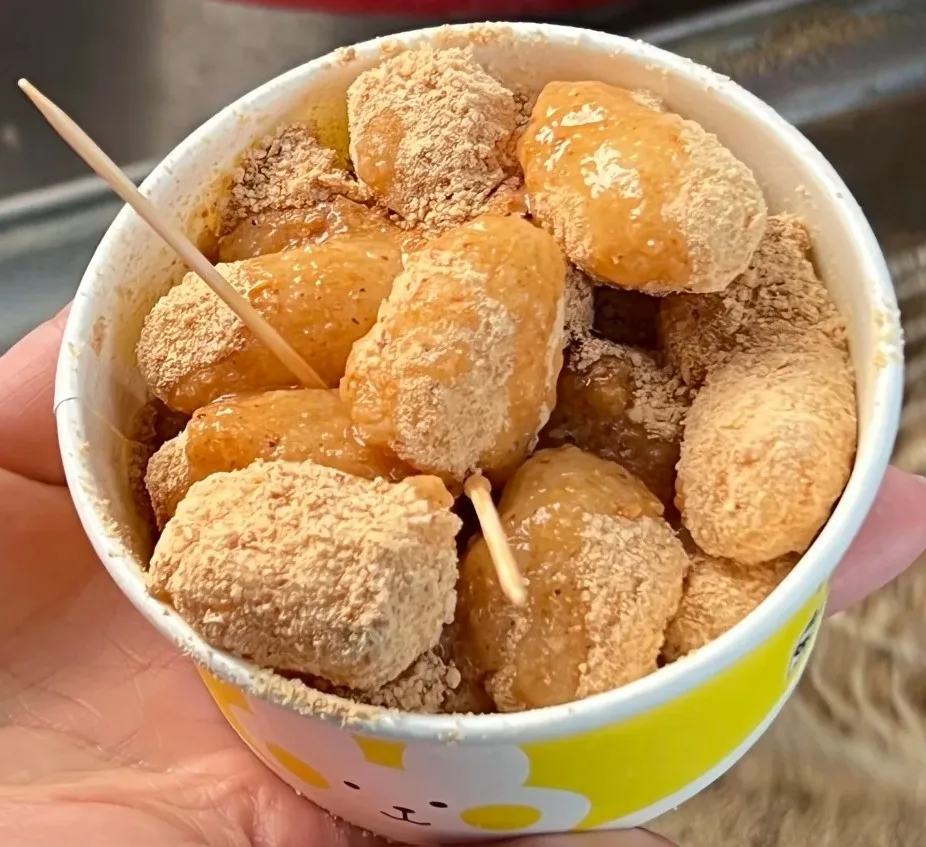
Crisp shell, chewy centre, toasted powder and syrup
Restaurant-style brown sugar ciba is fried or pan-fried until its surface turns golden. The shell becomes lightly crisp while the inside stays warm and stretchy. Toasted soybean powder adds a nutty aroma and reduces sticking; brown sugar syrup flows over both and supplies the main sweetness.
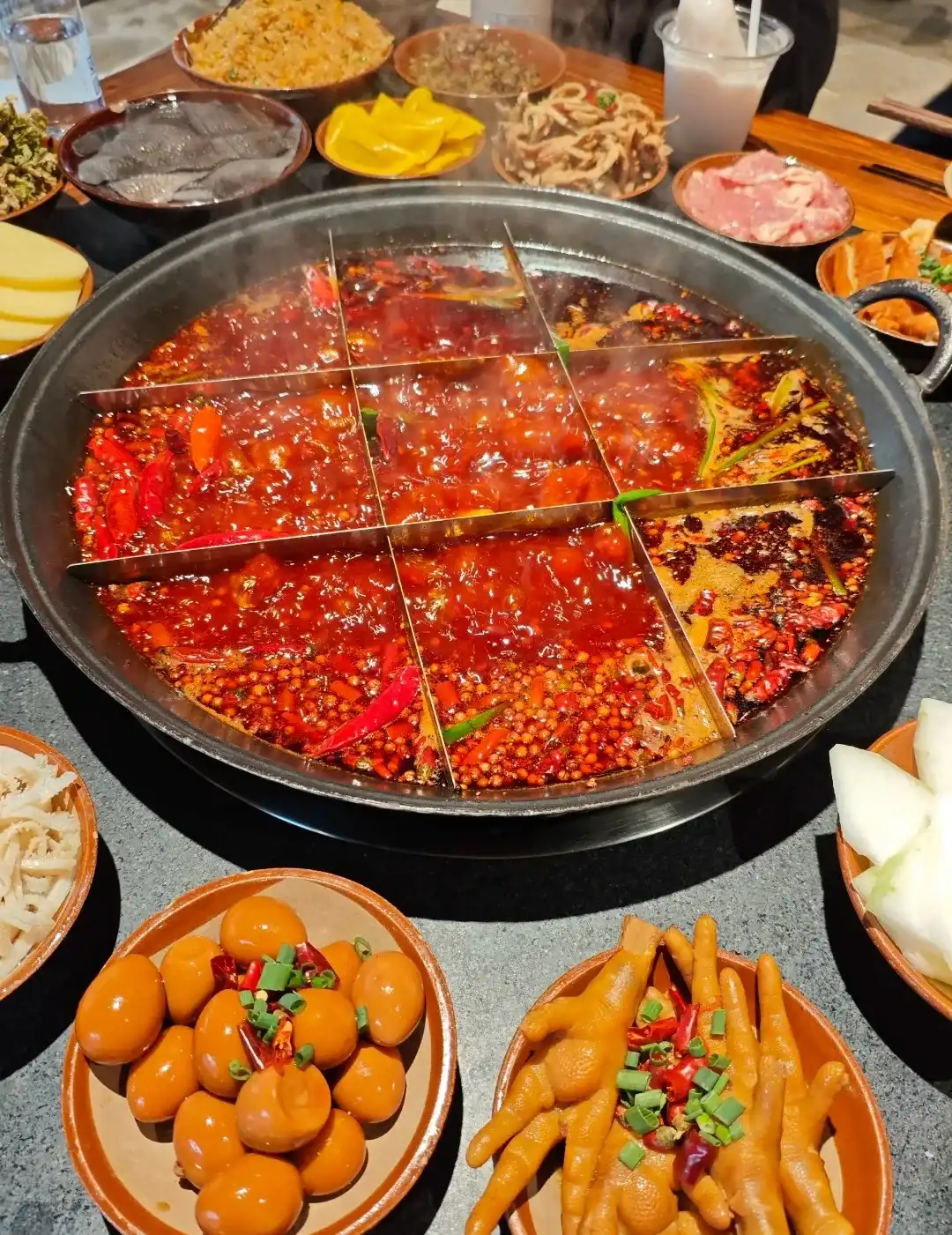
The dish commonly appears after hot pot and other strongly spiced food, shared from one plate to change the rhythm of the meal. Eaten warm, the crisp–chewy contrast is strongest; as it cools, the centre becomes firmer and more resistant.