
Journey To ChinaLast updated
Chongqing China Three Gorges Museum guide
Four exhibitions build a long history of Chongqing
The museum's core sequence moves from early people and Bayu culture through Three Gorges geography and archaeology, Chongqing's urban growth and its wartime-capital experience. Together, the galleries show how river transport and mountain resources shaped a city later transformed by war, industry and major engineering.
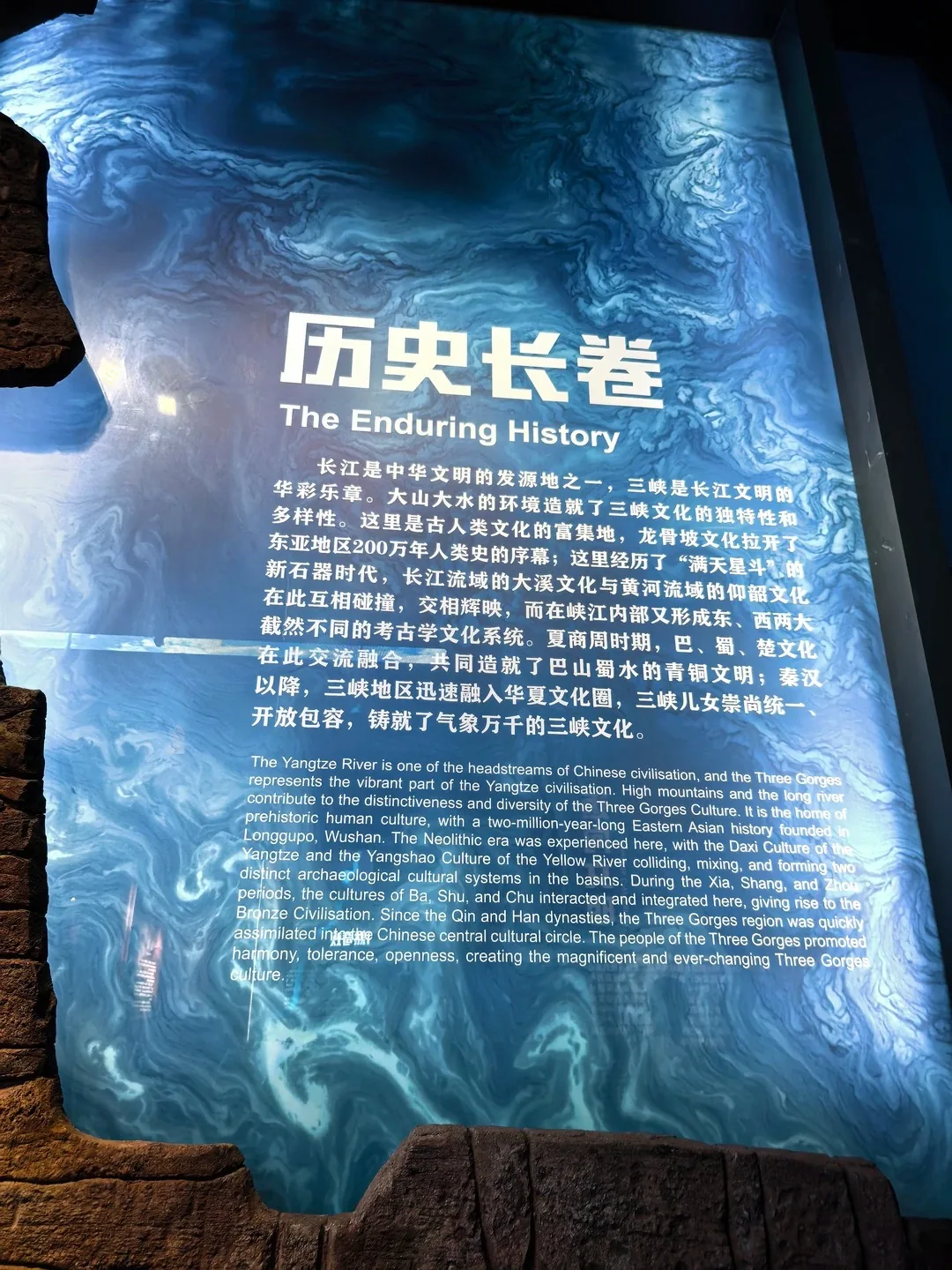
The Three Gorges gallery joins nature, archaeology and migration
Survey and rescue archaeology around the reservoir brought many sites and objects into the museum, while migration records preserve changes to homes and communities. Regional objects make this story specific: a Shang-period three-ram zun from Wushan, a tiger-topped chunyu linked to Bayu ritual and warfare, and a Han brick showing brine lifted from a well and boiled into salt.
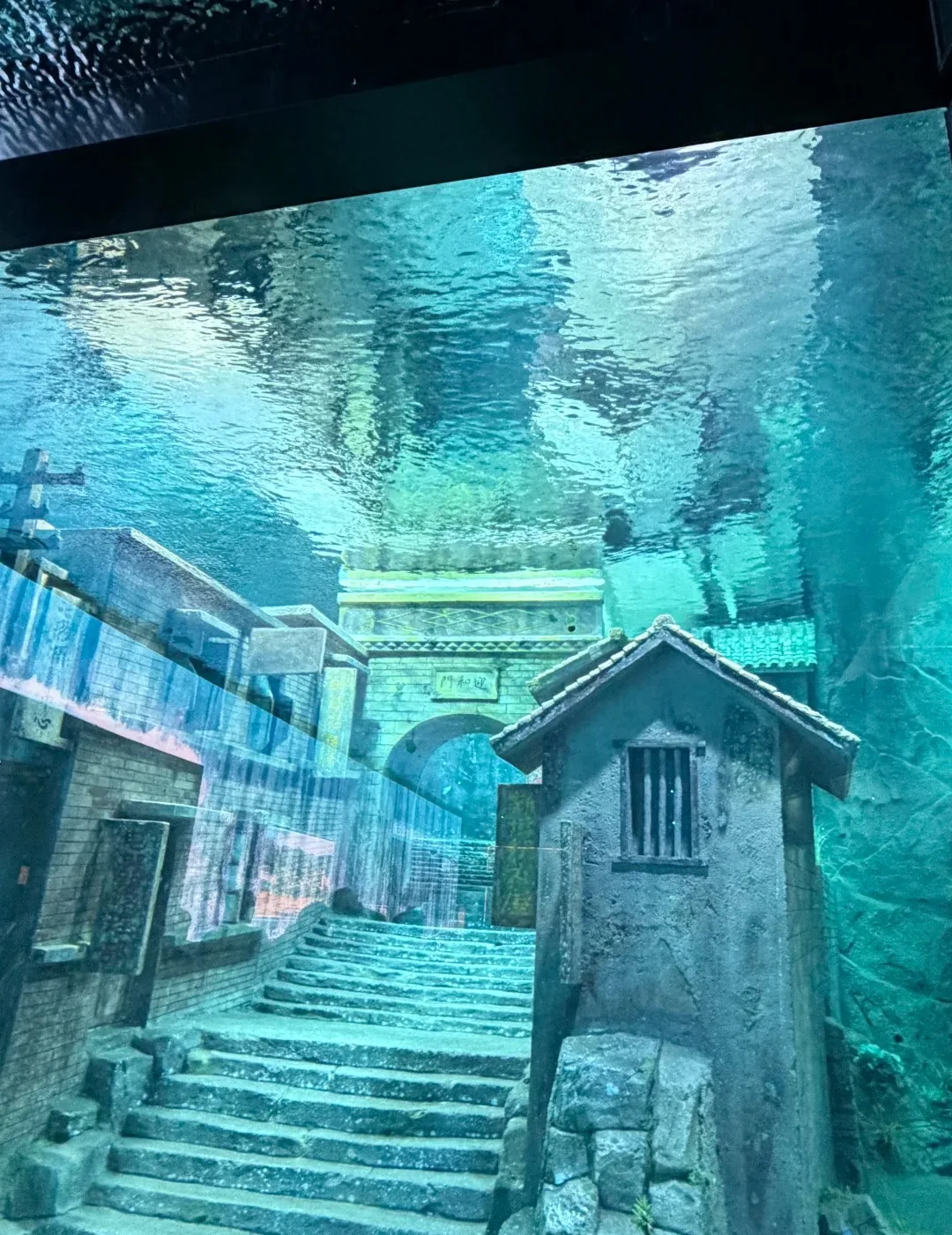
Chongqing: The Road to a City follows gates, treaty-port change, municipal construction and industry. The War of Resistance galleries combine documents with a bombing panorama and shelter reconstruction to connect national history with civilian life.
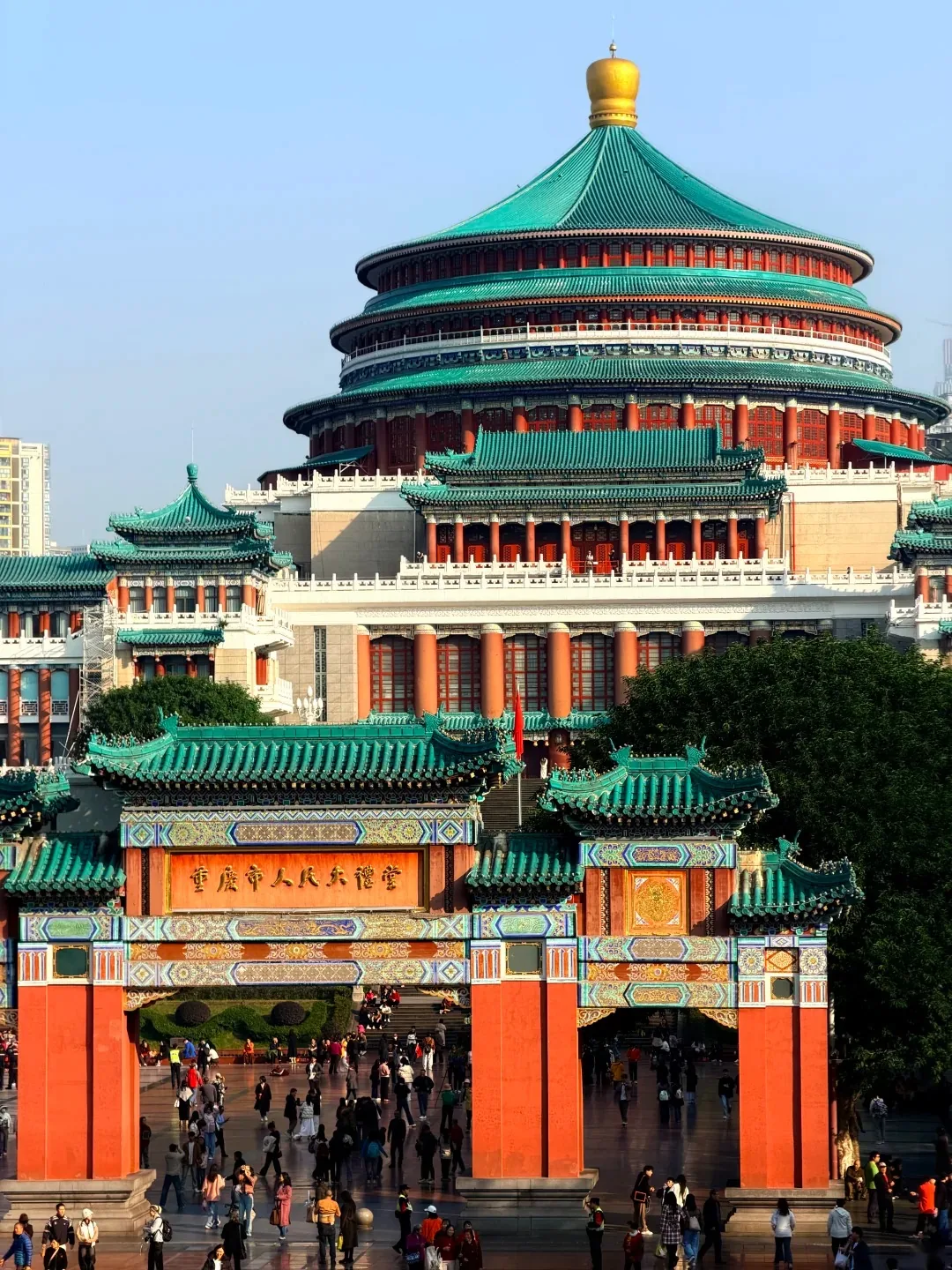
Two public buildings face each other across the square
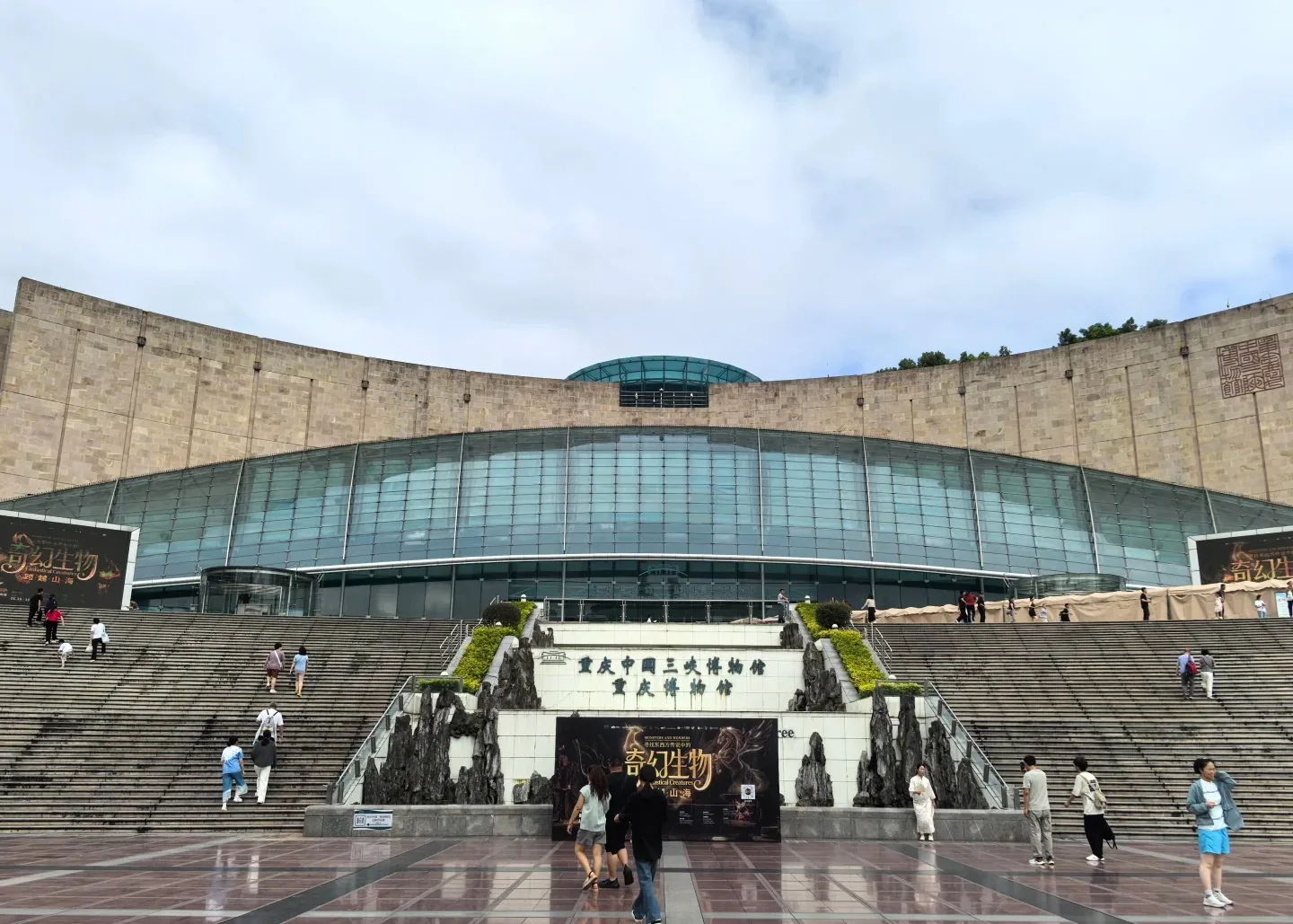
The museum's curved glass façade looks toward Chongqing People's Auditorium, whose ceremonial, palace-like composition belongs to another period. Crossing the square after the galleries turns the two buildings into a final comparison of how Chongqing has represented public culture.