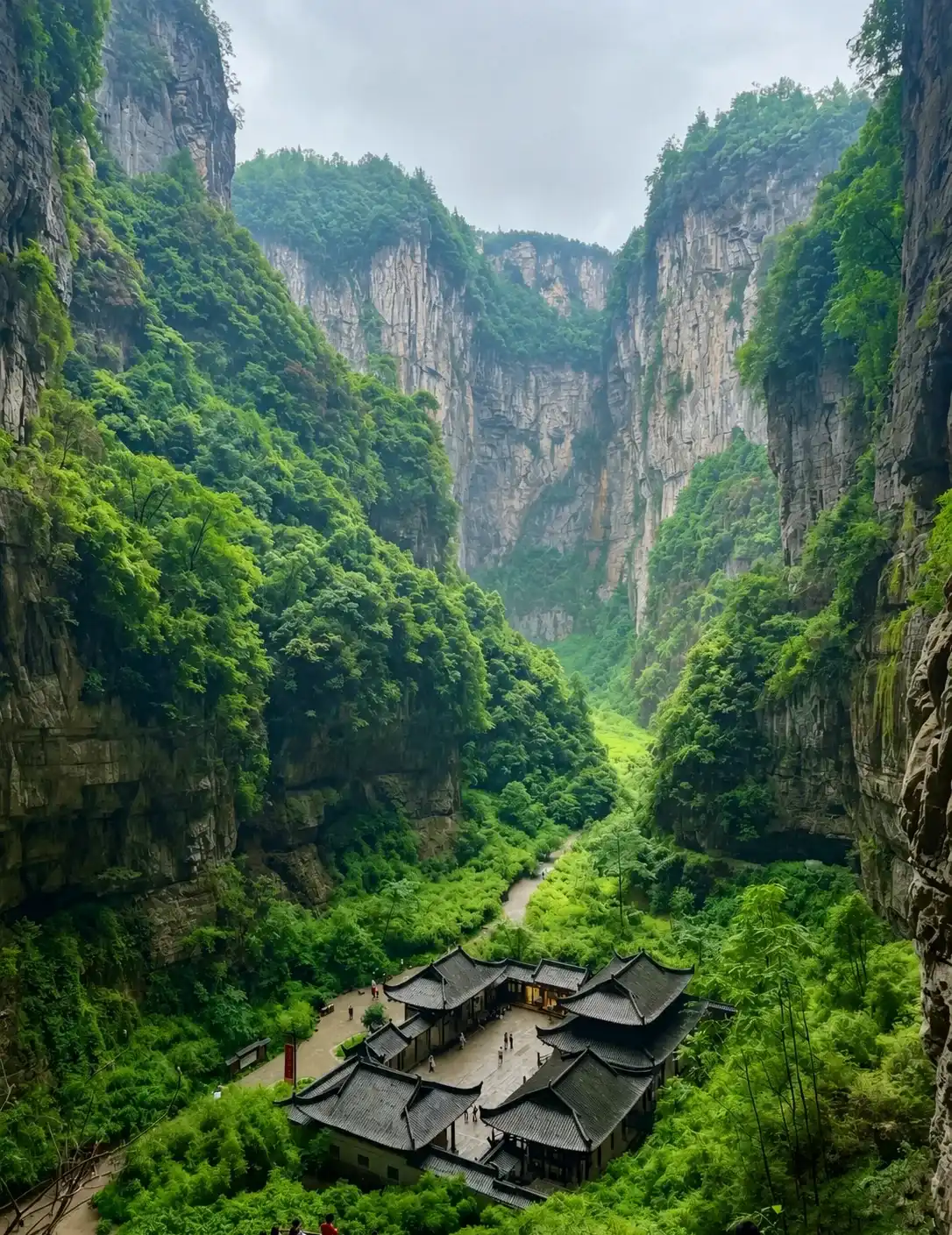

Journey To ChinaLast updated
Dazu Rock Carvings guide
One World Heritage property spread across five mountains
The core heritage groups occupy Beishan, Baodingshan, Nanshan, Shizhuanshan and Shimenshan. Work continued from the Tang through the Song, bringing several belief systems into the same region. Baodingshan and Beishan offer two useful readings: monk Zhao Zhifeng directed Baodingshan as a coherent 70-year narrative, while patrons added Beishan niches across several dynasties.
Baodingshan turns doctrine into a walkable sequence
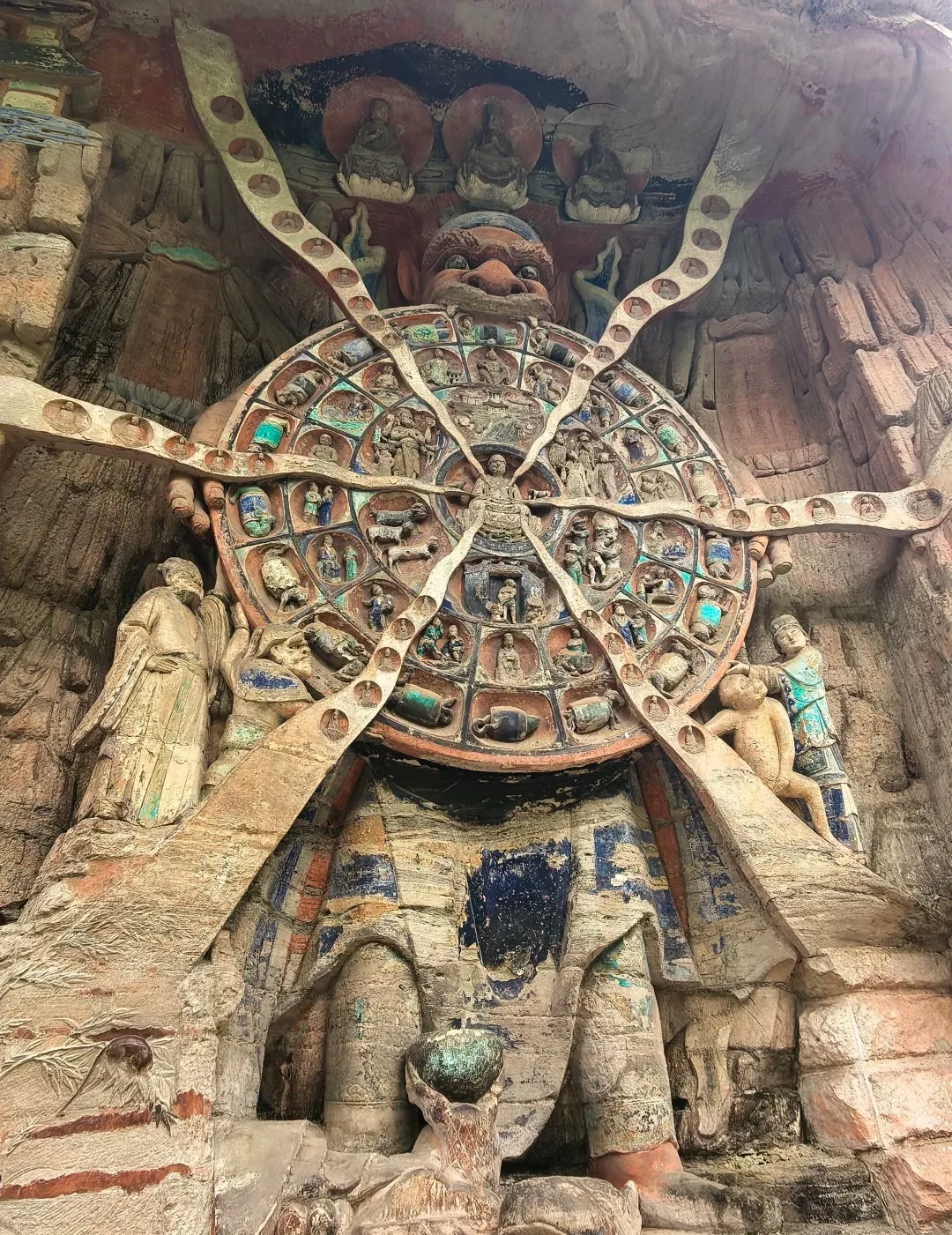
The U-shaped Great Buddha Bend links scenes such as the Wheel of Rebirth, Parental Kindness, Oxherding, the Huayan sages and the Thousand-Armed Guanyin. Familiar work, family and animal imagery helped Song viewers understand religious teaching, while carved dress, gestures and expressions reveal exceptional craft.
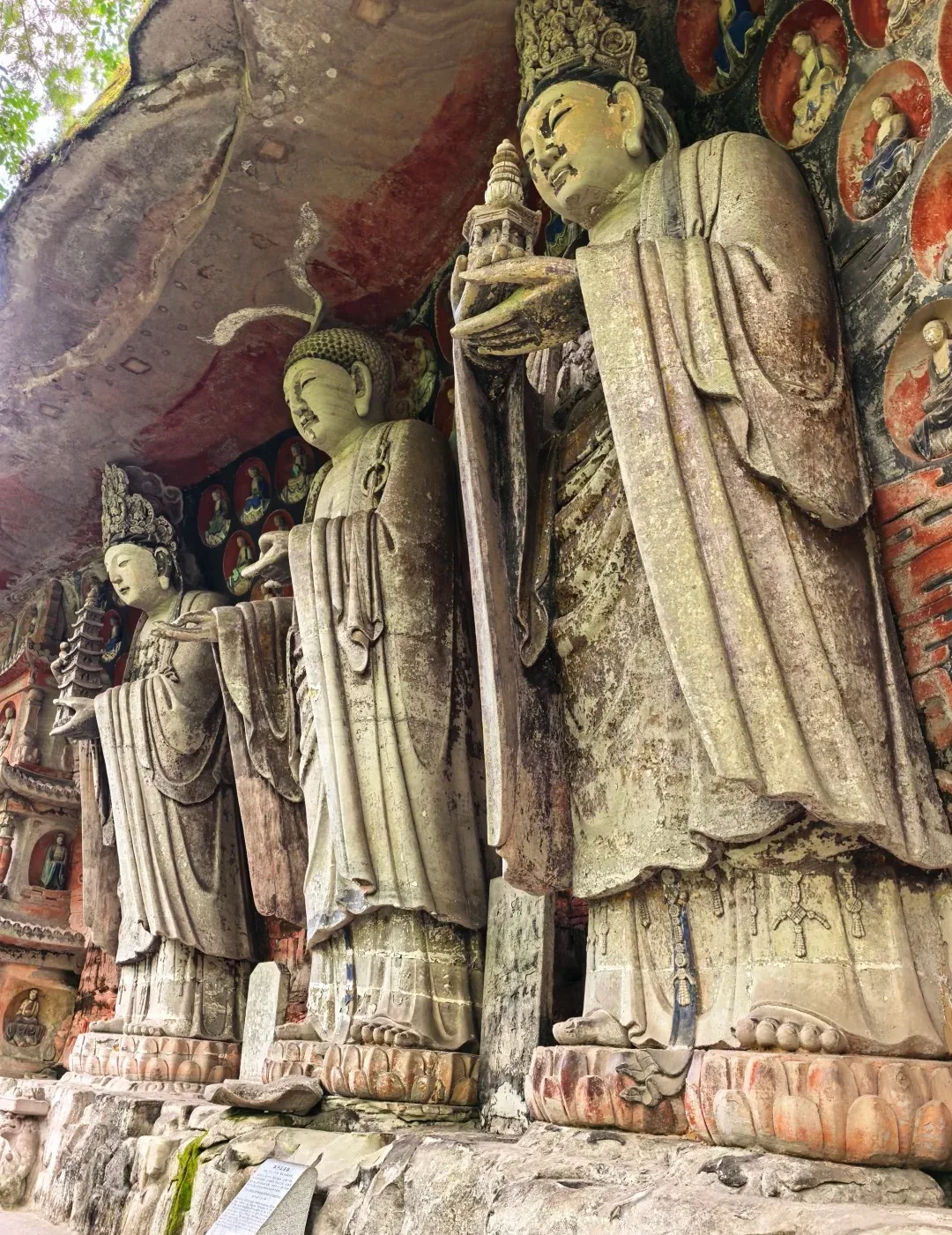
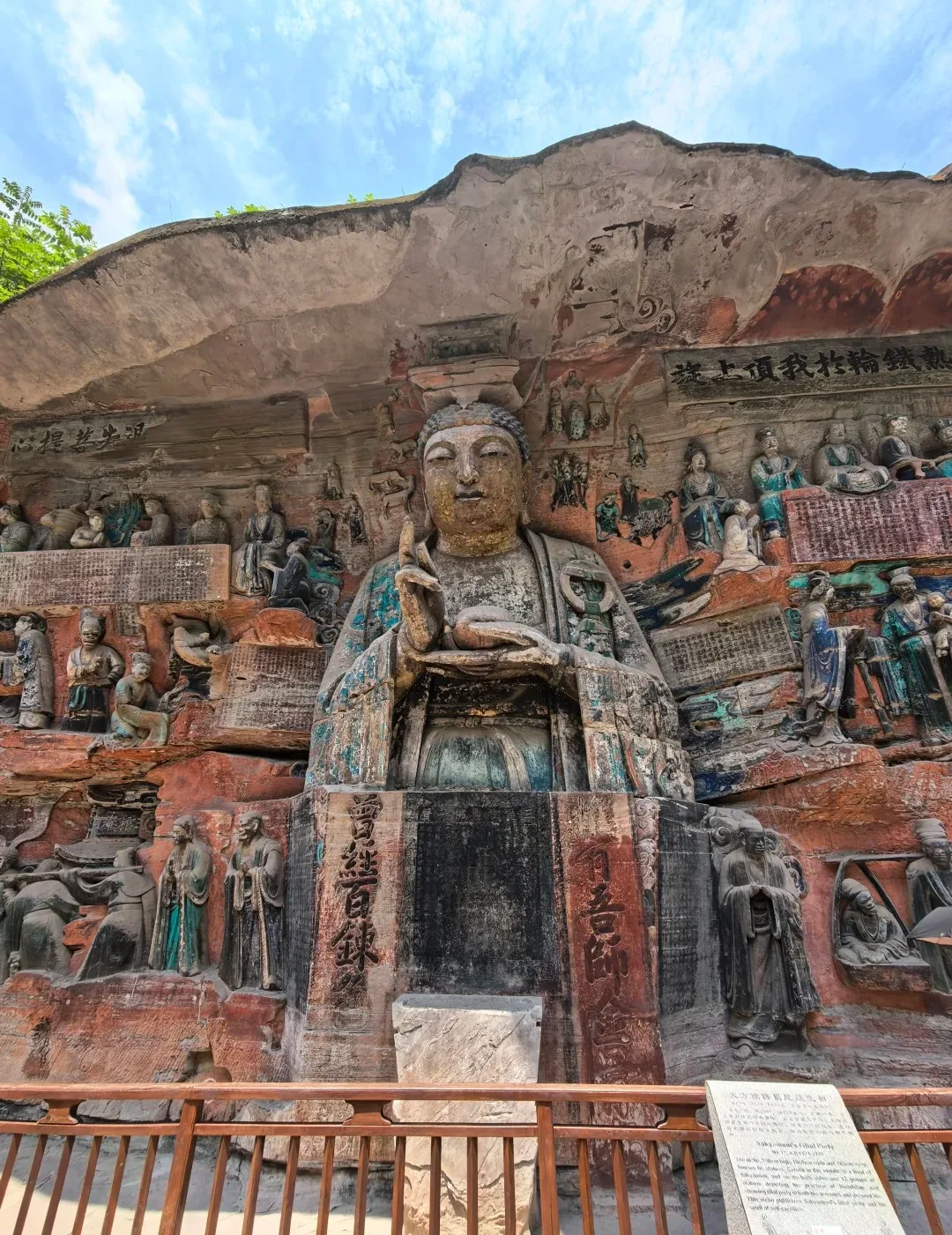
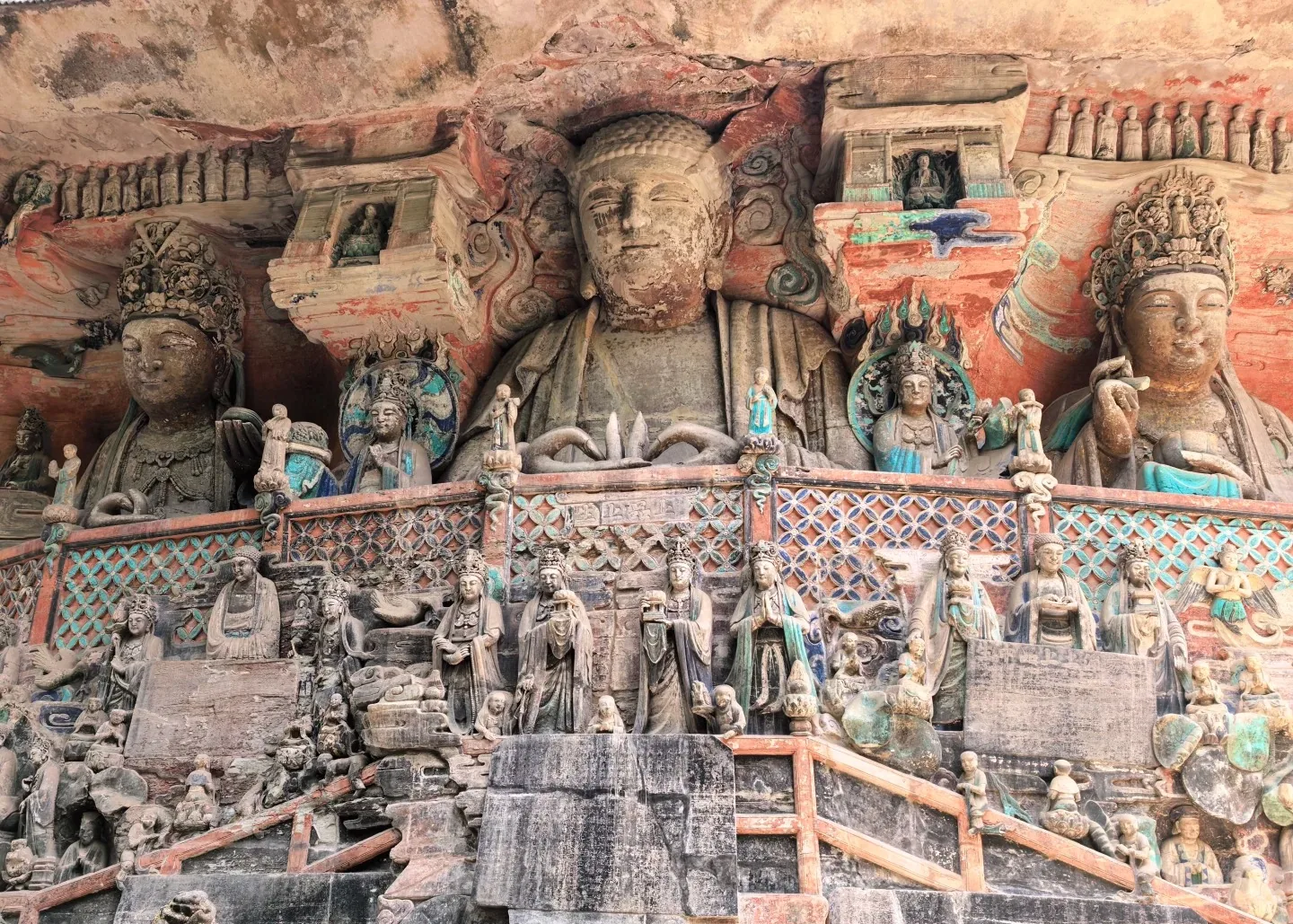
Surviving color shows that the original experience was far richer than bare stone.
Beishan is an artistic timeline
Officials, military figures and private patrons commissioned Beishan across the late Tang, Five Dynasties and Song. Moving along the cliff reveals changing body types, drapery and increasingly refined carving rather than one unified plan.
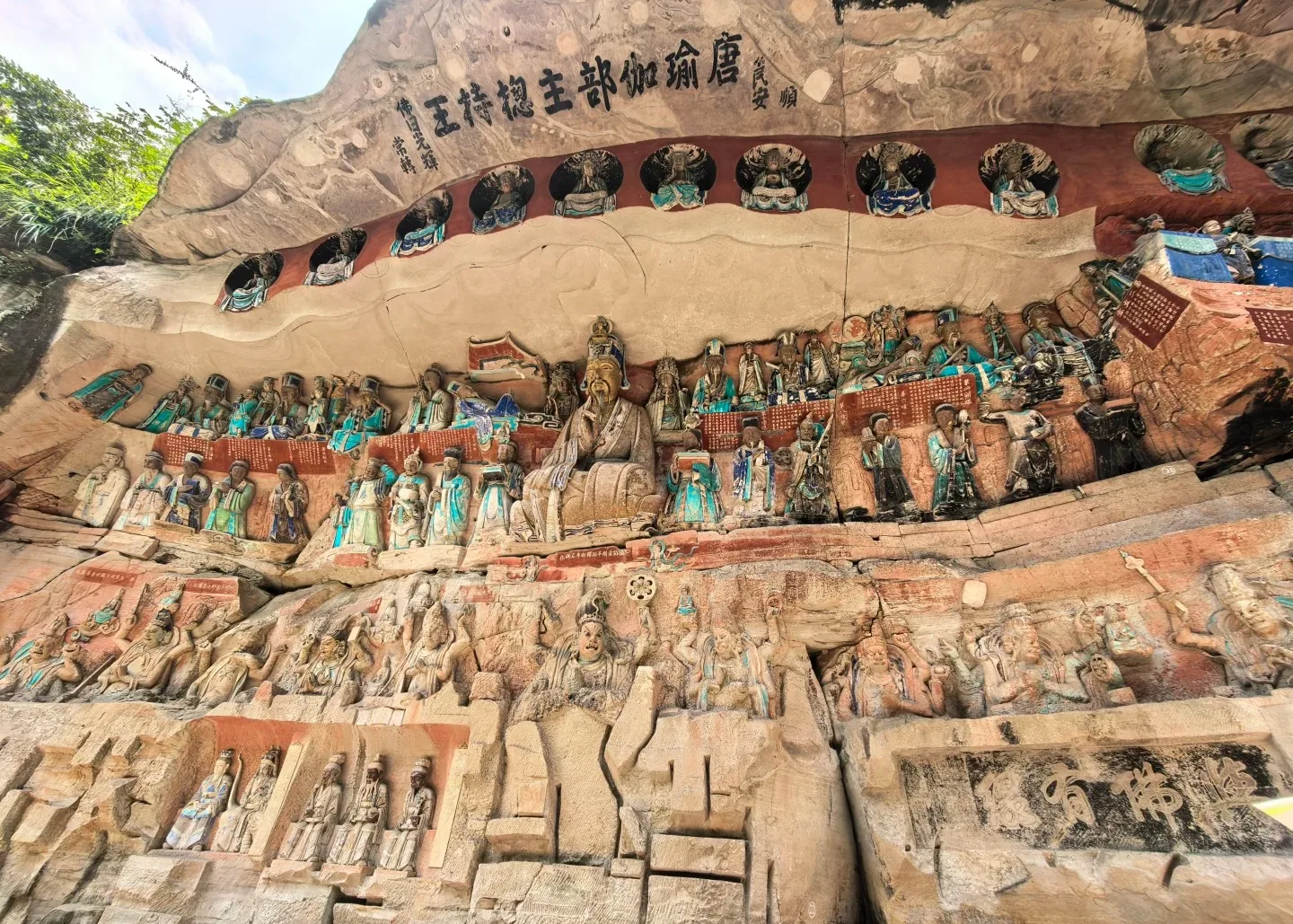
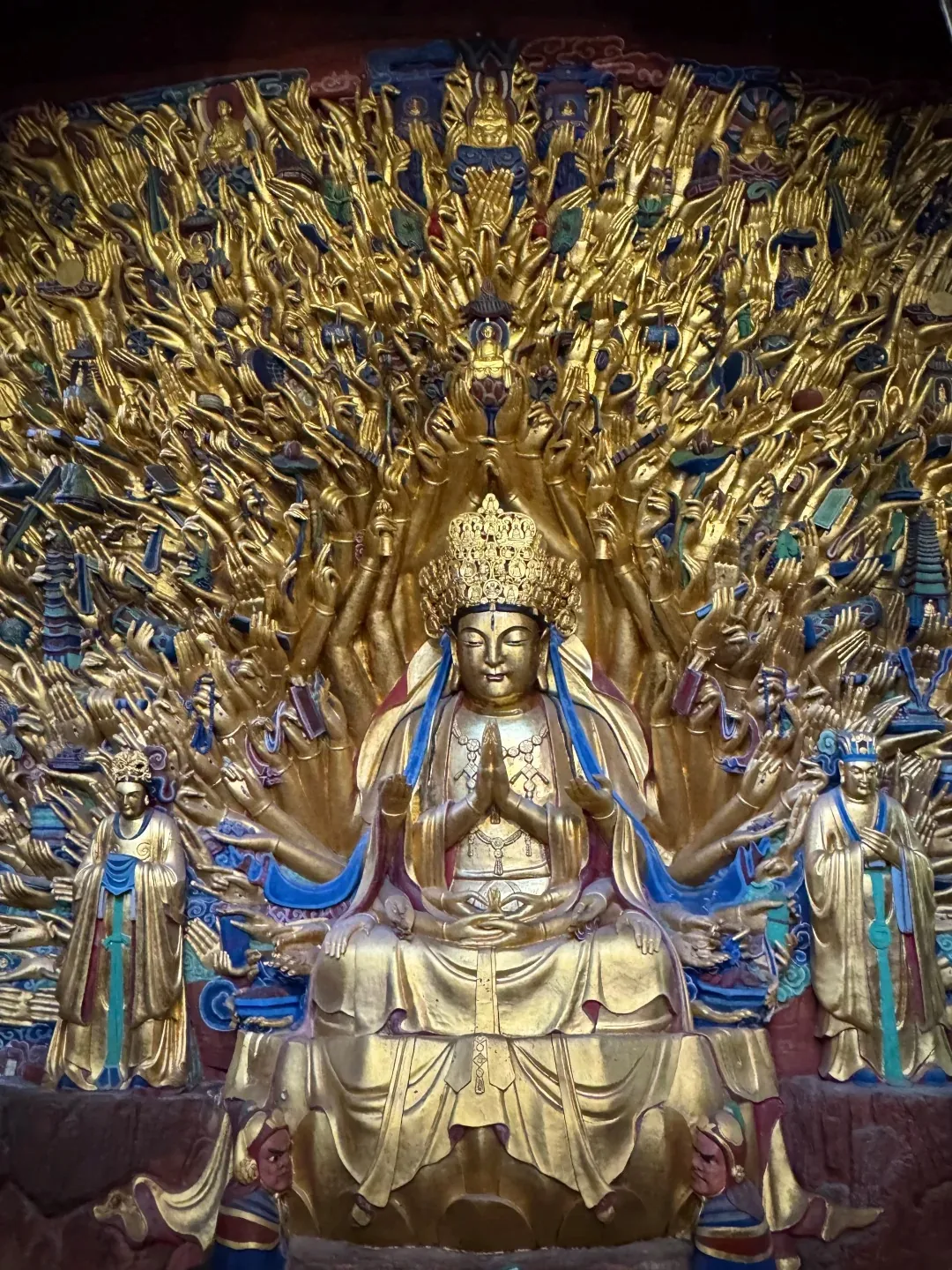
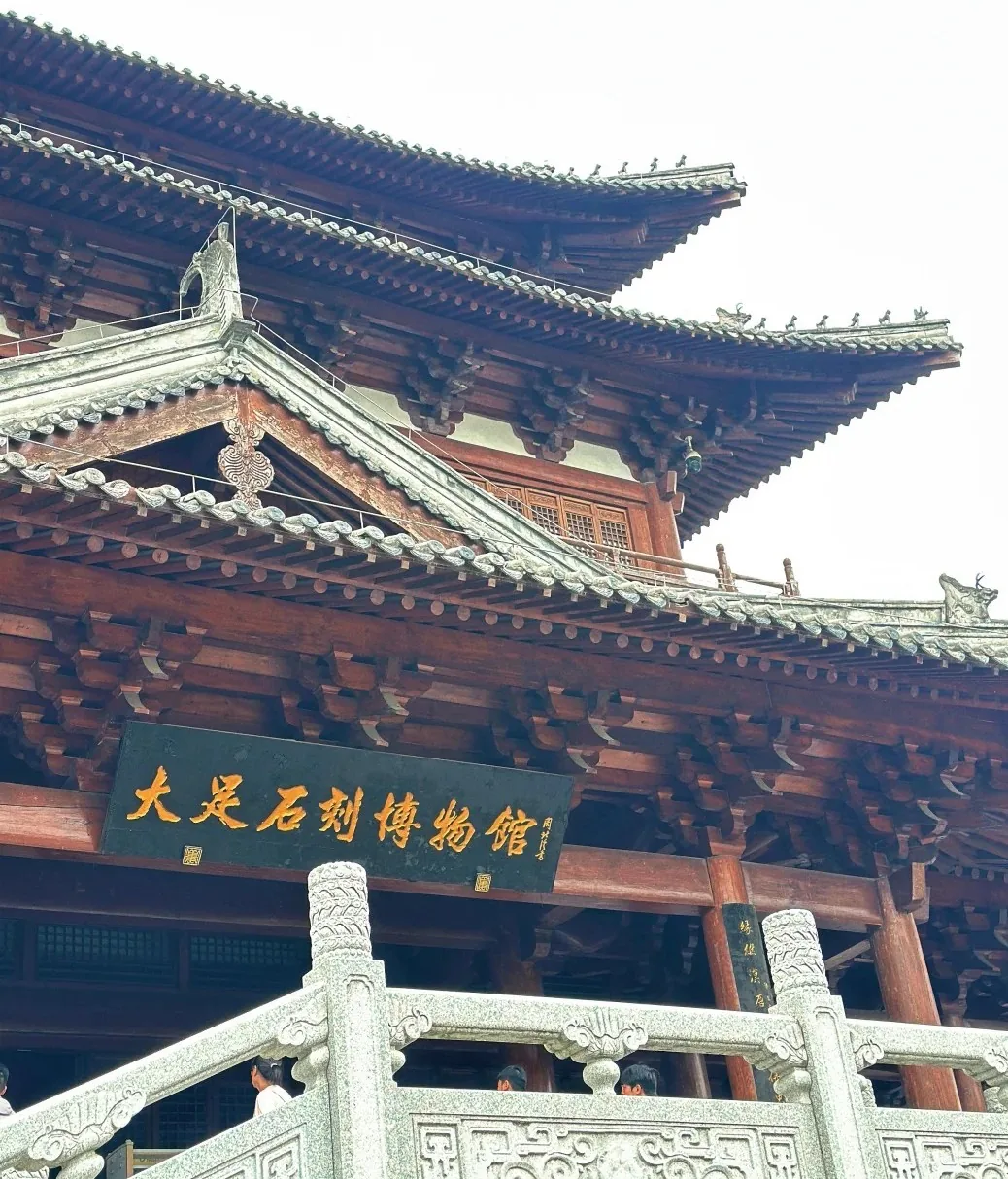
Inscriptions preserve dates and patron names; pigments and repaired surfaces reveal the continuing work of conservation. The museum, Baodingshan and Beishan occupy separate areas, so current tickets and transfers shape the practical route.