Journey To ChinaLast updated
Tiny brown seeds become a transparent gel
Traditional hand-rubbed ice jelly places the seeds in a cloth bag and kneads them through water. Released mucilage makes the liquid slippery; a setting agent and resting time turn it into a soft, trembling gel. Tiny bubbles often remain in the hand-made version.
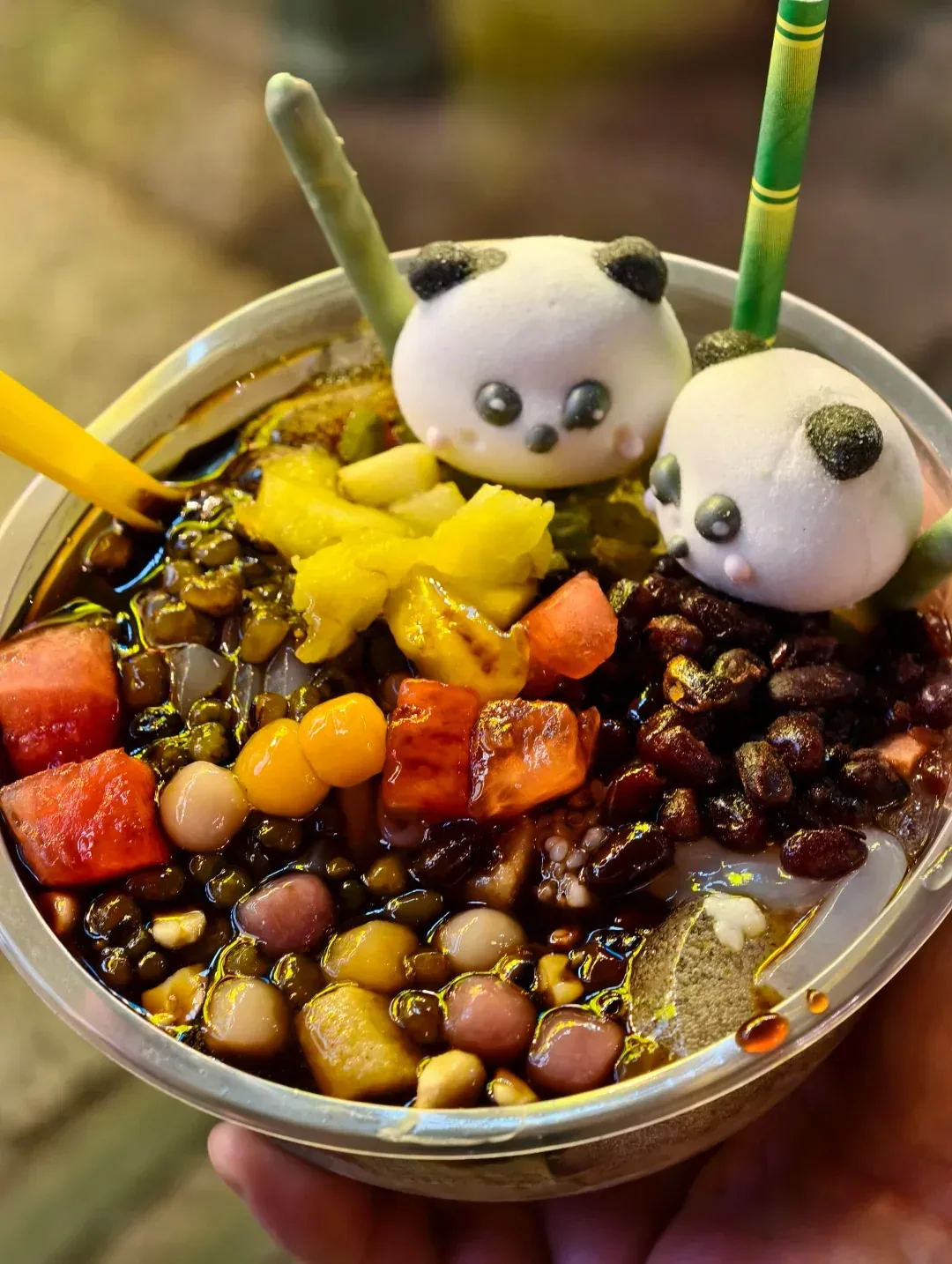
The gel supplies cool softness, while syrup and toppings determine aroma, sweetness, and chew.
Modern shops may use prepared ice-jelly powder for faster, more stable setting. It often produces neater blocks and a firmer bite. Menus that specify hand-rubbed jelly may show small bubbles and a softer texture.
Brown sugar is the clearest base; toppings build a texture map
The simplest bowl adds brown-sugar syrup, letting the gel's cool softness and the syrup's cane and caramel aromas remain clear. Fermented rice contributes a lightly alcoholic rice fragrance; rice cake and small dumplings add chew; hawthorn, fruit, and raisins add acidity; peanuts and sesame add crunch. Taro balls, grass jelly, or cooked glutinous rice make the dessert more substantial.
Cool sweetness changes the palate after chilli and pepper
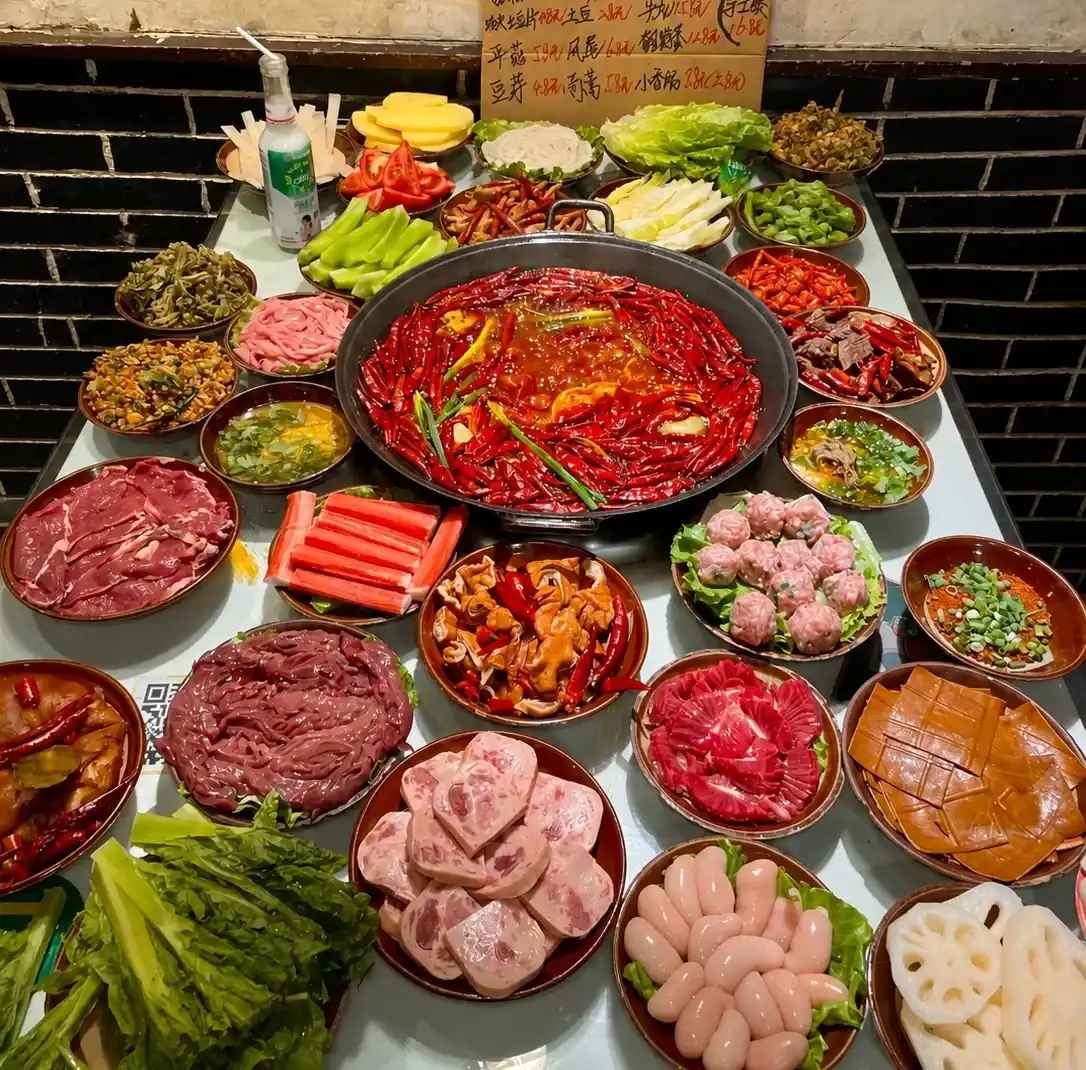
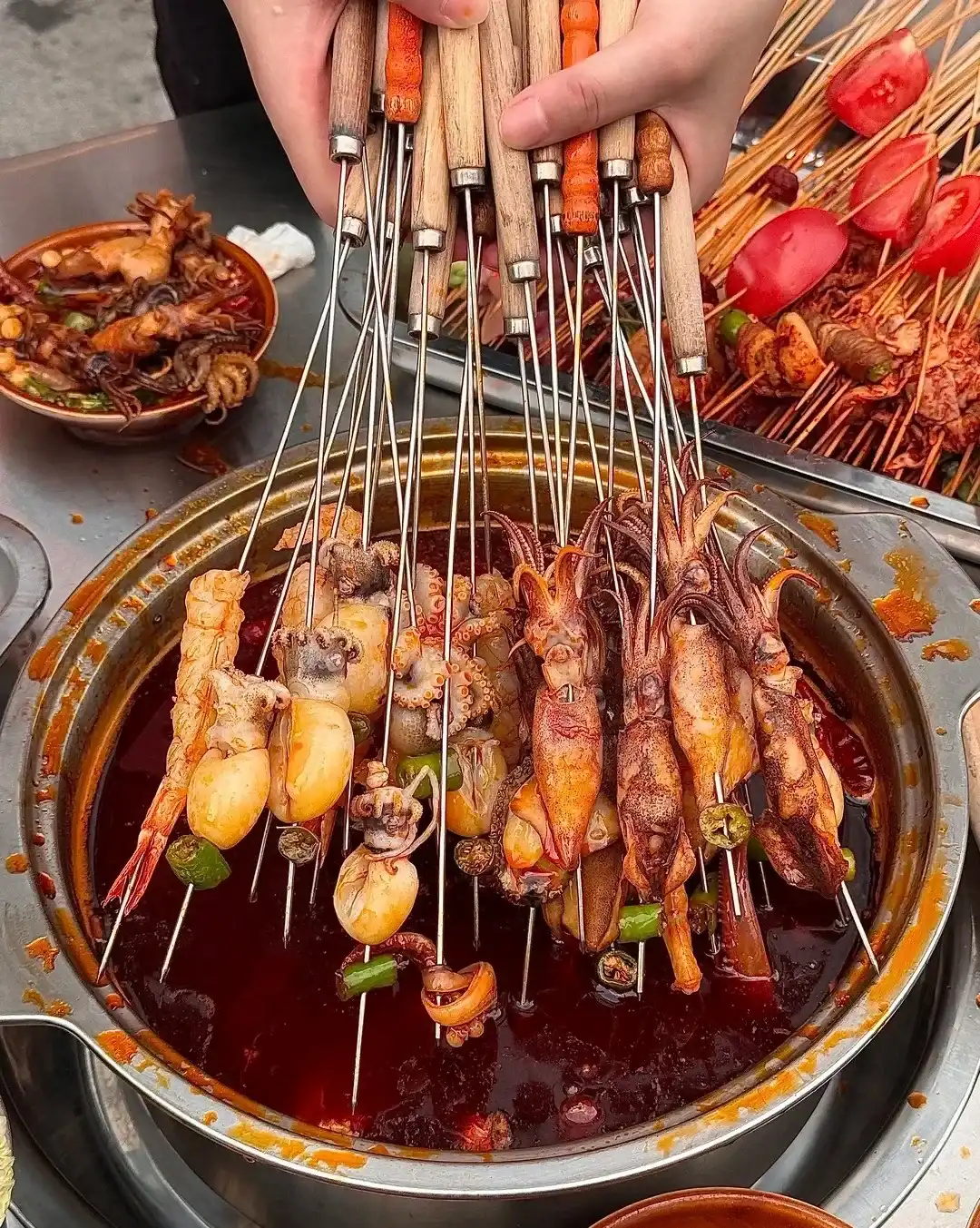
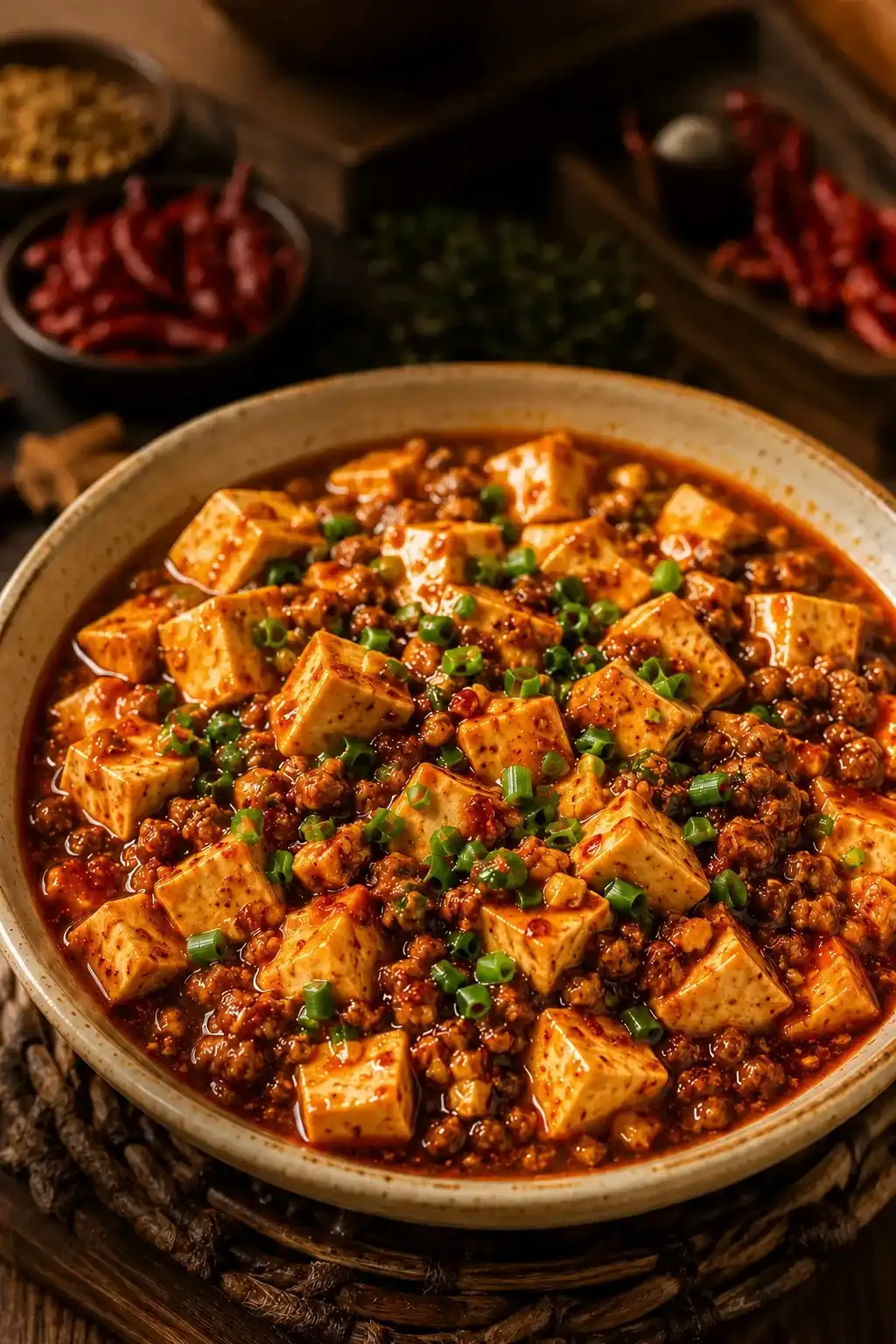
Ice jelly often follows hot pot, chuanchuan, or a Sichuan meal. Low temperature, soft texture, and brown-sugar sweetness shift the lingering chilli and peppercorn sensation, while fruit or fermented rice introduces a new aroma. It also stands alone as a summer street dessert, from a light brown-sugar bowl to a topping-heavy snack.