Journey To ChinaLast updated
Confirm the airport and terminal
PEK identifies Beijing Capital International Airport; PKX is Daxing Airport on the opposite side of the city. Capital Airport's main passenger operations use Terminals 2 and 3. Check the airline's current terminal before departure and include T2 or T3 in taxi and ride-hailing destinations.
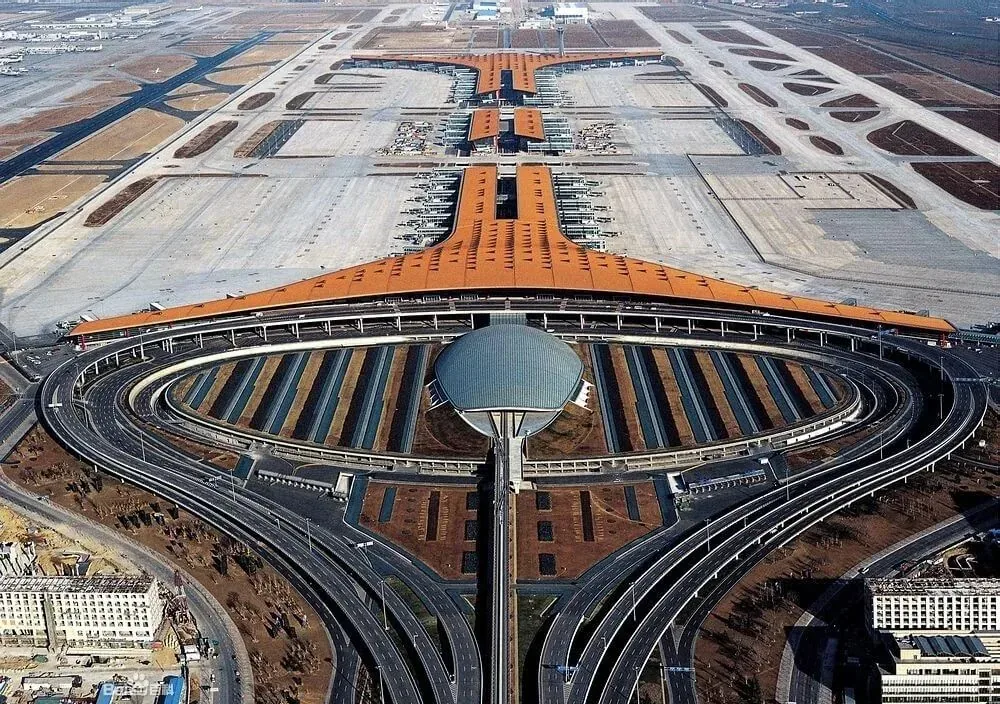
Terminal number determines the Airport Express station, bus counter and vehicle pickup area.
The Airport Express serves the northeast and inner city
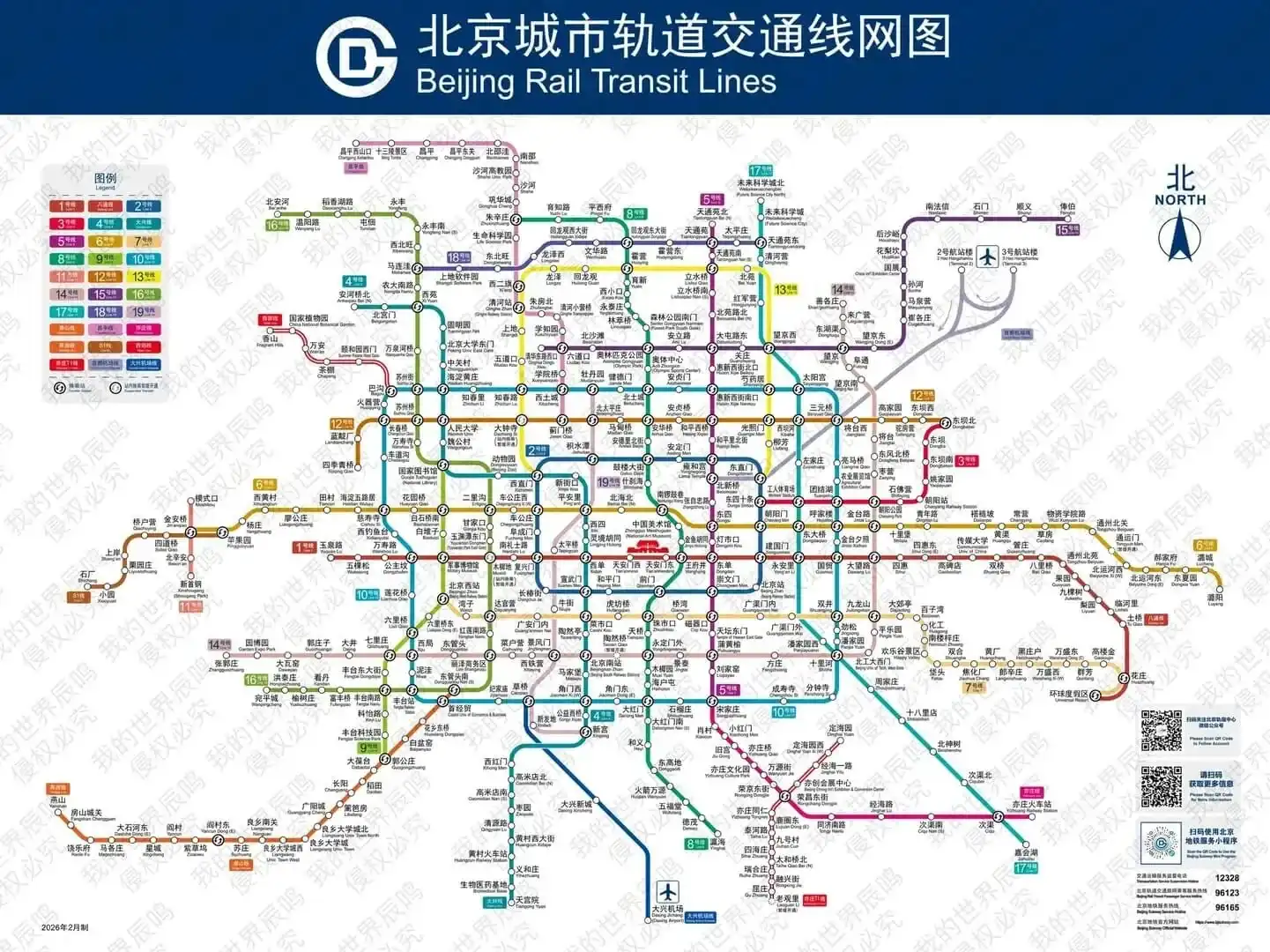
The Capital Airport Express links T3 and T2 with Sanyuanqiao, Dongzhimen and Beixinqiao. Sanyuanqiao connects with Lines 10 and 12 and suits the northeast and CBD direction. Dongzhimen connects Lines 2 and 13 as well as buses; Beixinqiao on Line 5 is useful for the eastern old city and can reduce a long interchange for hotels around Dongsi, Wangfujing's north side and the Drum Tower direction.
The airport branch is not a conventional two-way straight line, so use platform screens and direction signs at T2 and T3. Large luggage also adds walking through the interchange after the train reaches the city.
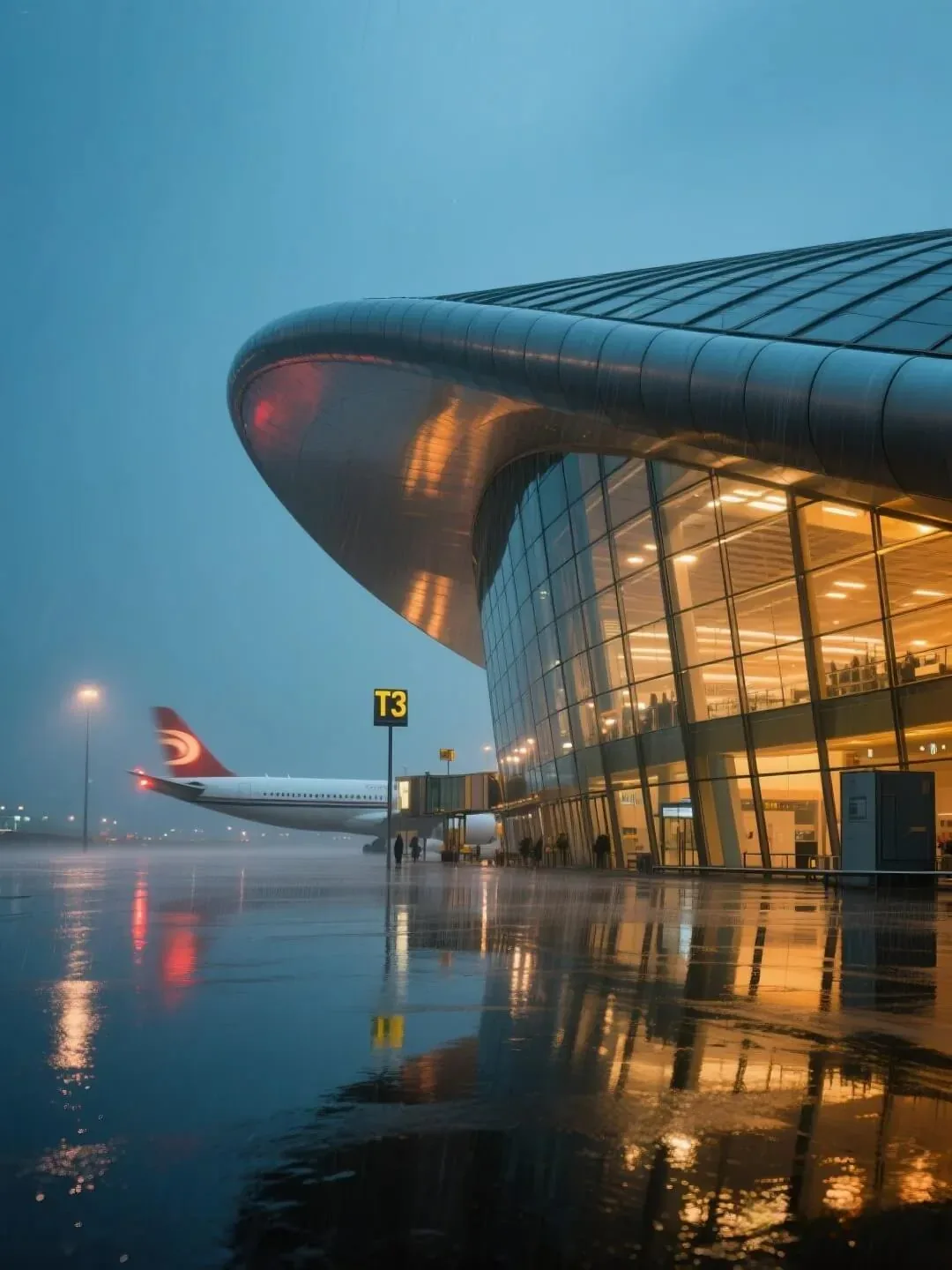
Immigration, baggage delivery and mobile-payment setup affect the real departure time from the airport.
Airport buses connect districts and railway stations directly
Airport buses can be useful when a stop lies near the hotel or a railway station and the metro would require several changes. Routes and intervals change with demand. Check the airport's current list, match the Chinese stop name, and confirm the sales and boarding point for the correct terminal.
Taxis and ride-hailing use different pickup systems
Official taxis queue at signed dispatch areas and work without a Chinese mobile account. Save the hotel's Chinese name, full address and phone number. Ride-hailing requires the designated parking level and zone shown in the app; “at the exit” is not enough location information inside a large terminal. Vehicle size matters when several passengers have full-size luggage.
Late arrivals and onward trains
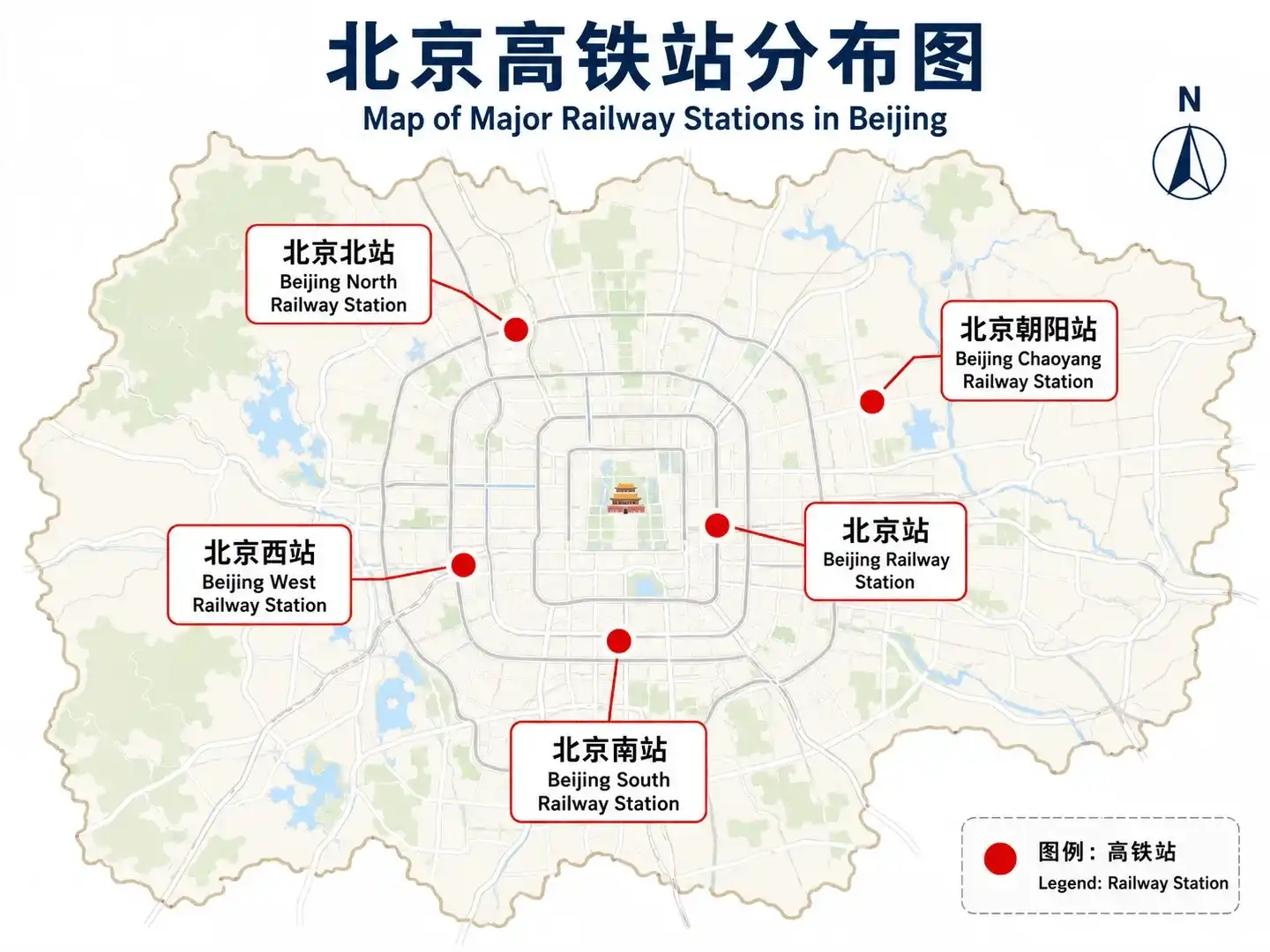
After rail service ends, check the current night-bus routes before choosing the official taxi queue or ride-hailing area. For a same-day railway connection, verify the full station name. Beijing Station, Beijing West, Beijing South, Beijing Chaoyang and Qinghe are in different parts of the city, and road congestion plus railway security require a real transfer margin.
The Beijing Service counter can help international visitors with transport cards, communication and payment. BEIJING PASS and supported contactless bank cards are additional transport options; they are tools to choose as needed, not tasks that must all be completed on arrival.