Journey To ChinaLast updated
Hung-oven and closed-oven roasting
The best-known Peking duck traditions use two different ovens. In a hung oven, ducks hang in an open chamber heated by burning fruitwood; hot air and radiant heat crisp the skin while fat renders away. In a closed oven, residual heat cooks ducks placed inside after the fire has burned down. Restaurants may build their identity around one method, and both can produce glossy skin and moist meat.
Before roasting, the skin is separated from the meat with air, the duck is scalded and coated, then dried. That dry surface is what allows the skin to become thin and brittle rather than soft.
Sugar-dipped skin and pancake wraps taste different
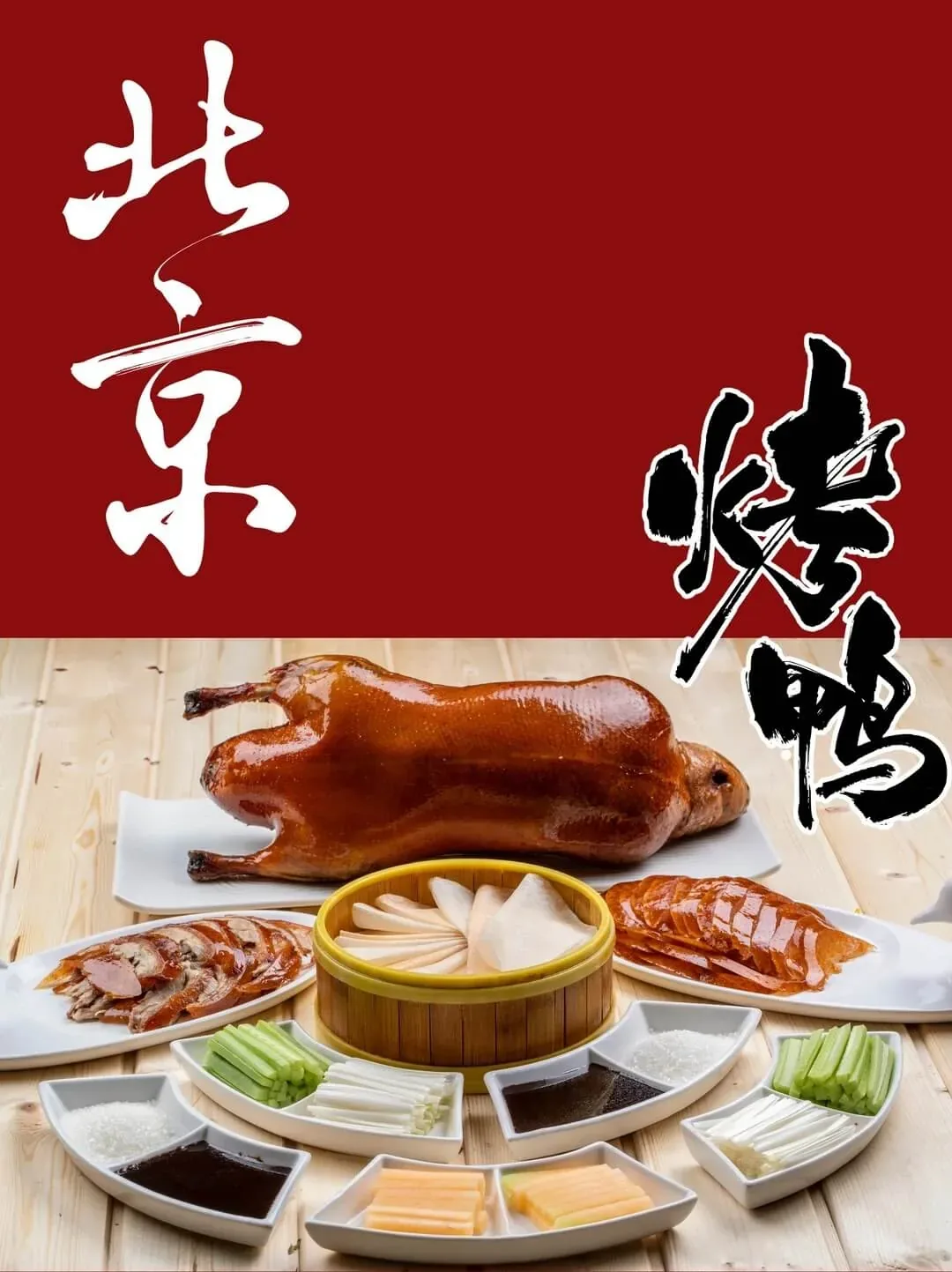
The carver may separate pure skin, skin with meat and leaner slices. A few of the fattiest, crispest pieces are traditionally dipped in white sugar. Pancakes are used for slices with meat: spread a little sweet bean sauce, add scallion and cucumber, then fold rather than overfill the thin pancake. Garlic paste, radish or other vegetables vary by restaurant.
The carcass can become another course
After carving, meat remains around the bones. Many restaurants can fry the chopped carcass with salt and pepper or simmer it into a pale soup with cabbage or tofu. Ask about the choice and any extra charge while ordering, because the kitchen may need the instruction before the carcass is removed.
Whole duck, half duck and solo portions
A whole duck works naturally for a group and leaves room to compare several cuts and a carcass dish. Half ducks and single-person sets are available at some restaurants. Pancakes, sauce and vegetables may be included or ordered separately, so the menu's portion description matters more than a fixed rule.
Restaurant styles differ
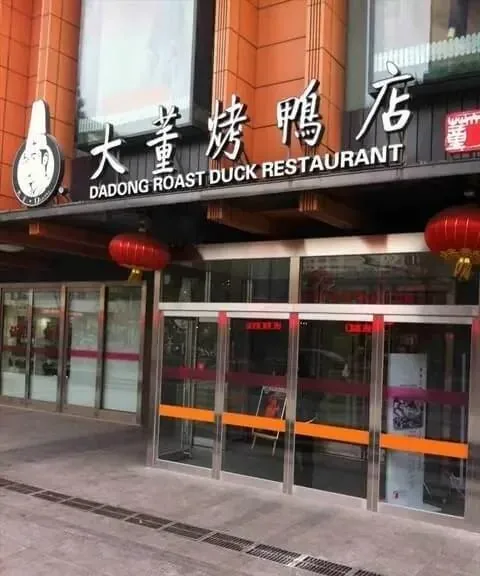
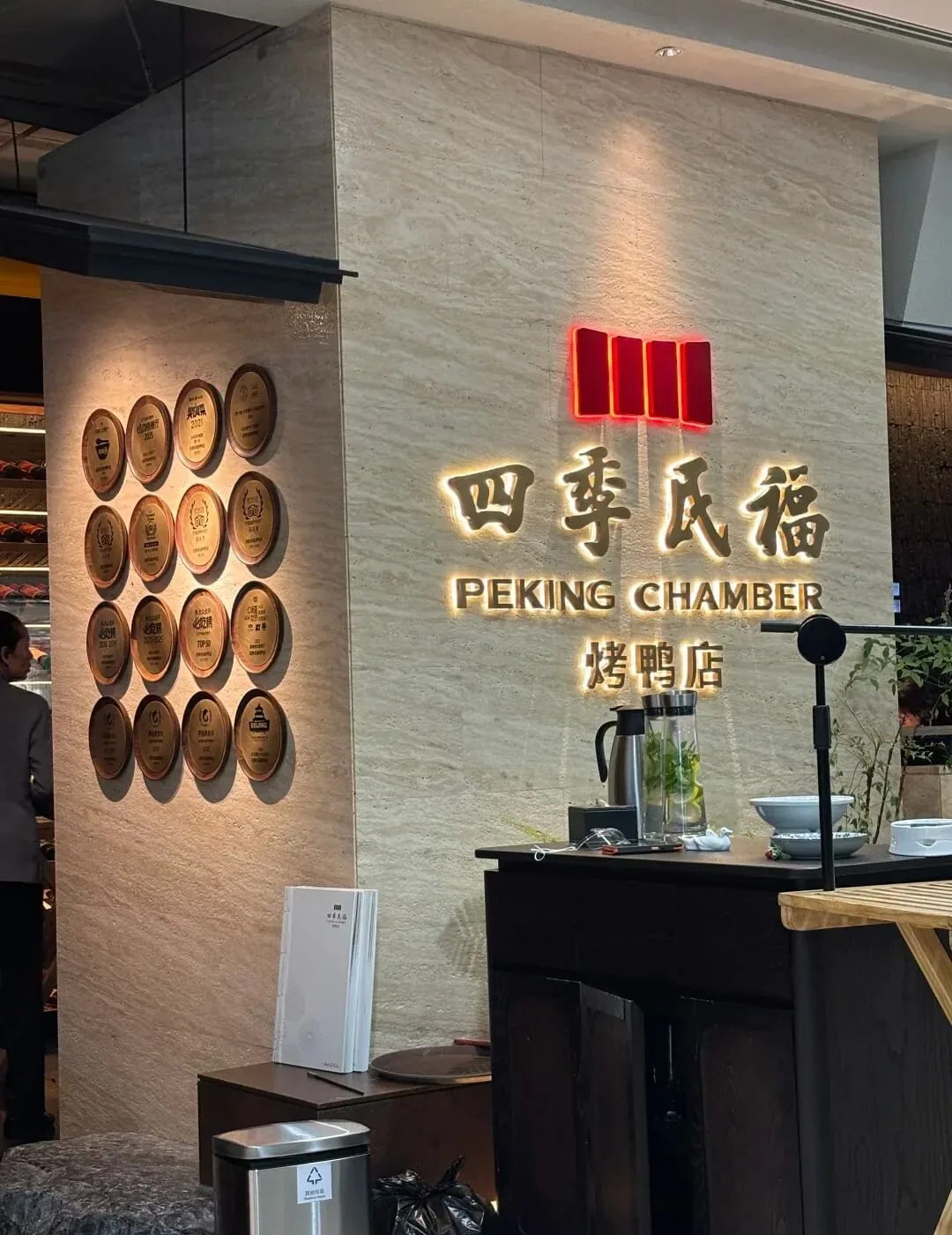
Quanjude is closely associated with the hung-oven tradition and formal tableside carving. Bianyifang is known for closed-oven roasting. Da Dong uses refined presentation and often leaner slicing; Siji Minfu combines a broad Beijing menu with busy central locations. These are differences in technique, setting and occasion, not a single ranking.