Journey To ChinaLast updated
Mung-bean processing creates the sour flavour
Soy milk is made by grinding soybeans and cooking the liquid. Douzhi comes from the liquid left after starch is separated from mung beans, then ferments before cooking. It is thin, grey-green or light brown, with a grainy sour aroma. The same processing stream also yields the thicker material used for madoufu, a separate dish usually fried with oil and preserved greens.
Jiaoquan and pickles change each sip
Jiaoquan are small, crisp rings of fried wheat dough. A bite after warm douzhi breaks up the continuing sourness; a little pickle shifts the taste again towards salt and spice. The ring can be dipped briefly or kept dry for a louder crunch.
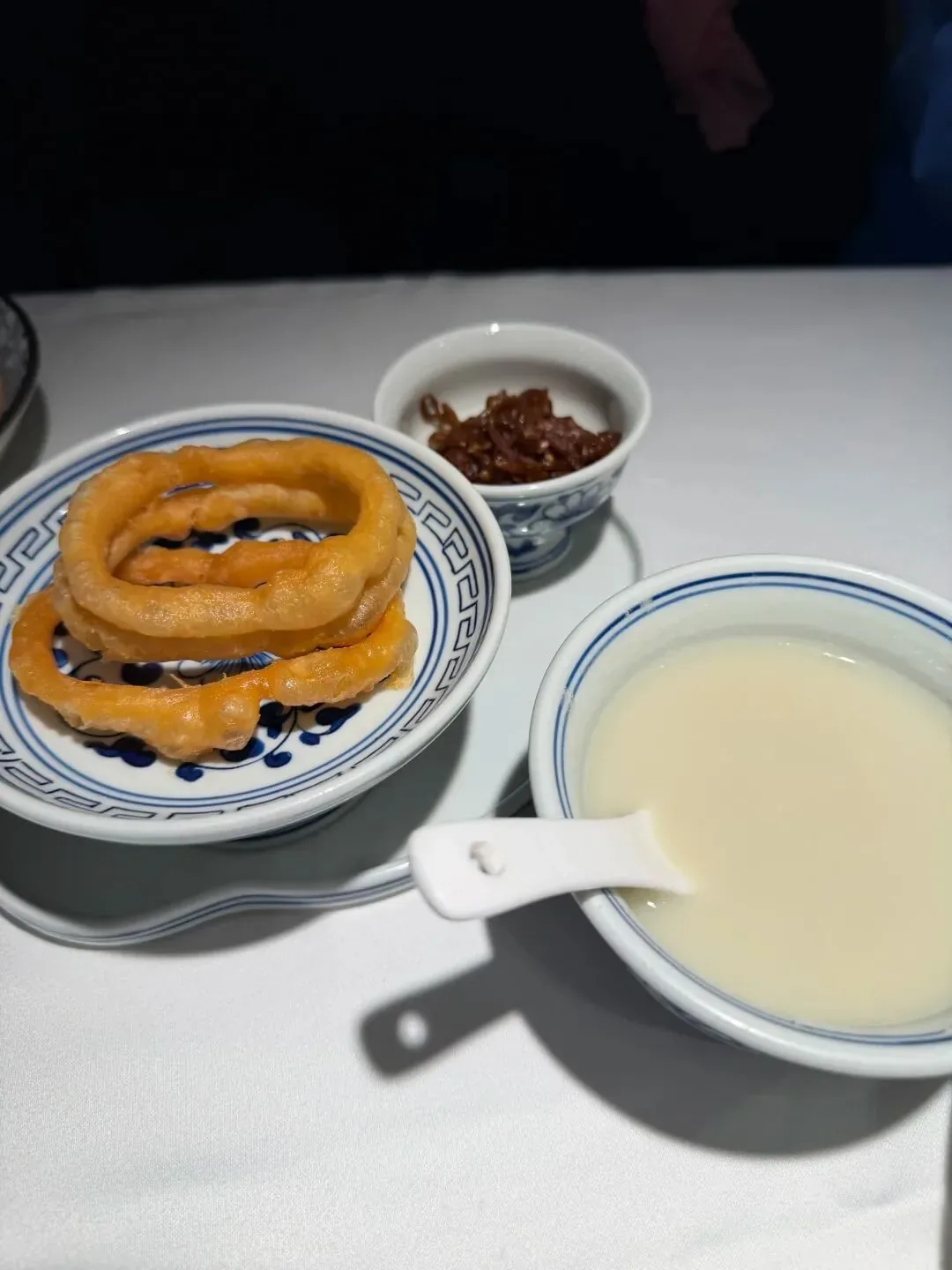
A small bowl shows the full character
Douzhi tastes rounder while warm and sharper as it cools. A small bowl is enough to try it alone, then with the two accompaniments. “Raw” douzhi refers to fermented liquid that still requires full heating; shops serve cooked douzhi, while packaged raw versions must be prepared according to the seller's instructions.
Specialist breakfast shops are the most likely to explain the batch and serve all three parts together. Supply may finish early.
Taste note: fermented douzhi has a pronounced sour flavour and an aroma often compared with something sharply soured. Take a small first sip, then try it with crisp jiaoquan and pickles to understand the full breakfast combination.